Tech & Wearables

8 Best Fitness Trackers of 2026: Which Actually Last Past a Year

Which fitness trackers genuinely track your runs, sleep, and heart rate without dying in months? Find the right one for your budget and routine.

Fitness trackers promise weeks of battery and accurate health data, but many fall short within months. Battery life often drops when you enable always-on display, and wrist-based heart rate loses precision during intense intervals.

The real split isn't between bands and smartwatches — it's between devices built to last and those that burn out fast. Budget options now pack AMOLED screens and SpO2 sensors, but reliability still separates the daily drivers from the six-month disappointments.

This guide cuts through the marketing to help you pick a tracker that matches your routine — whether you need GPS for outdoor runs, a week-plus battery, or just an accurate step counter that won't stop syncing.

#1

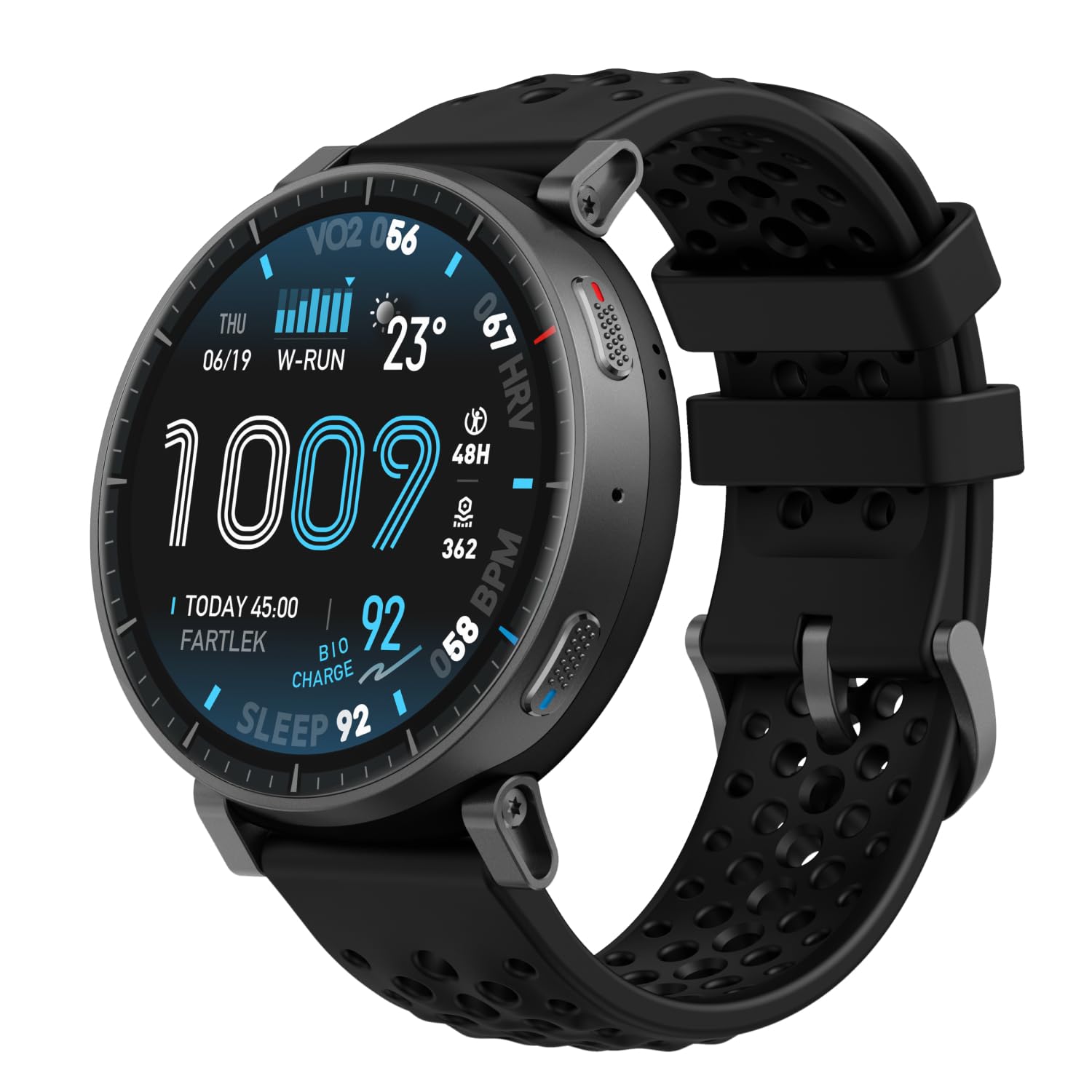
Amazfit Active Max

Top Pick
Amazfit Active Max

Outdoor & battery

Our Score 9.4/10
Check Price

Worth Noting

  • In rare cases, screen adhesion may weaken
  • Integration with Apple Health via the Zepp app is not as fluid as native options
Display
1.5" AMOLED 3000 nits
Battery Life
25 days
Health Sensors
HR, SpO2, stress, sleep
Water Resistance
5 ATM
Read the full review

The Active Max delivers a 25-day battery life under typical use, and the 3000-nit AMOLED stays readable even in direct sunlight — a clear advantage for runners and hikers who spend long hours outside. Offline maps and built-in GPS with five satellite systems provide reliable navigation without a phone.

In practice, the battery comfortably exceeds two weeks with moderate GPS use, and the display’s brightness makes glancing at stats during a midday run effortless. The 4GB of onboard storage allows music playback without a phone, and the 170-plus sport modes cover everything from swimming to skiing.

This watch suits outdoor enthusiasts who prioritize endurance and visibility over app integration or brand ecosystem. iPhone users should note that the Zepp app syncs health data to Apple Health, but the experience is less seamless than native options. Additionally, some units have exhibited screen adhesion issues, so inspecting the device on arrival is advisable.

Bottom line: If you need a fitness watch that lasts through multi-day trips and performs well in bright outdoor conditions, the Active Max delivers where the top pick falls short — battery and display brightness.
#2

Amazfit Active 3 Premium

Amazfit Active 3 Premium

Premium running watch

Our Score 9.2/10
Check Price

Worth Noting

  • Long-term reliability data is limited
  • Premium pricing places it close to Garmin models that offer a larger support community
Display
1.32" AMOLED sapphire
Battery Life
12 days
Health Sensors
HR, SpO2, stress
Water Resistance
5 ATM
Read the full review

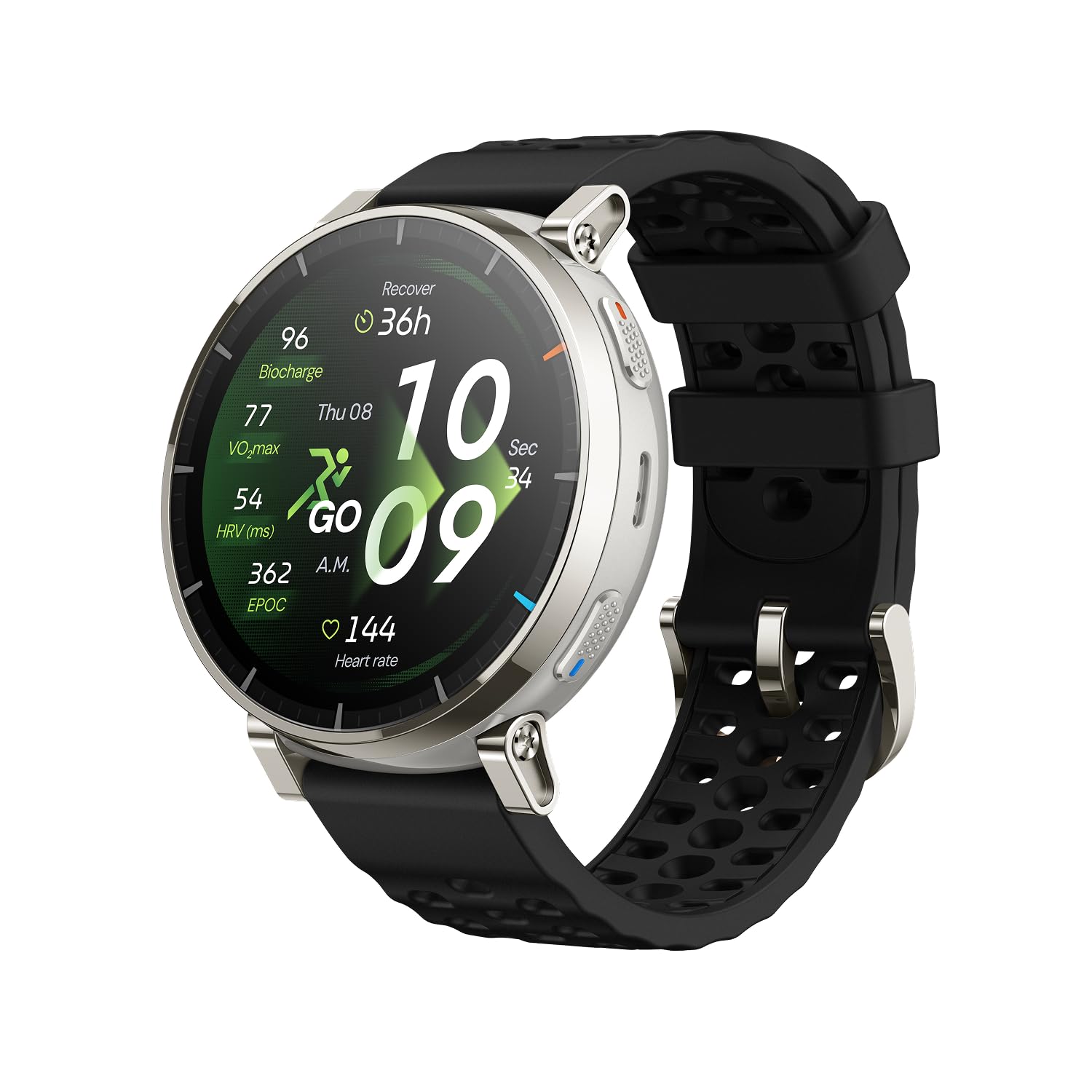
The Amazfit Active 3 Premium delivers a bright 3000-nit sapphire AMOLED screen and reliable GPS tracking for runners, wrapped in a stainless steel build that feels high-end. Battery life easily surpasses a week. However, the product's user base is smaller than Garmin's, so long-term durability feedback is less established. For buyers who prioritize a proven support community and extensive user reports, the Vivoactive 5 remains a safer choice. But if premium materials and a sharp display matter more than brand history, this watch holds its own.

Bottom line: Best suited for runners who want a premium build and display without paying Garmin's price, and who are comfortable with a newer product's limited long-term track record.

#3

Xiaomi Mi Band 10

Xiaomi Mi Band 10

Budget & casual

Our Score 9.0/10
Check Price

Worth Noting

  • Band clip can come loose during high-intensity activity, risking loss of the device.
  • No built-in GPS
Display
1.72" AMOLED
Battery Life
21 days
Health Sensors
HR, SpO2, step
Water Resistance
5 ATM
Read the full review

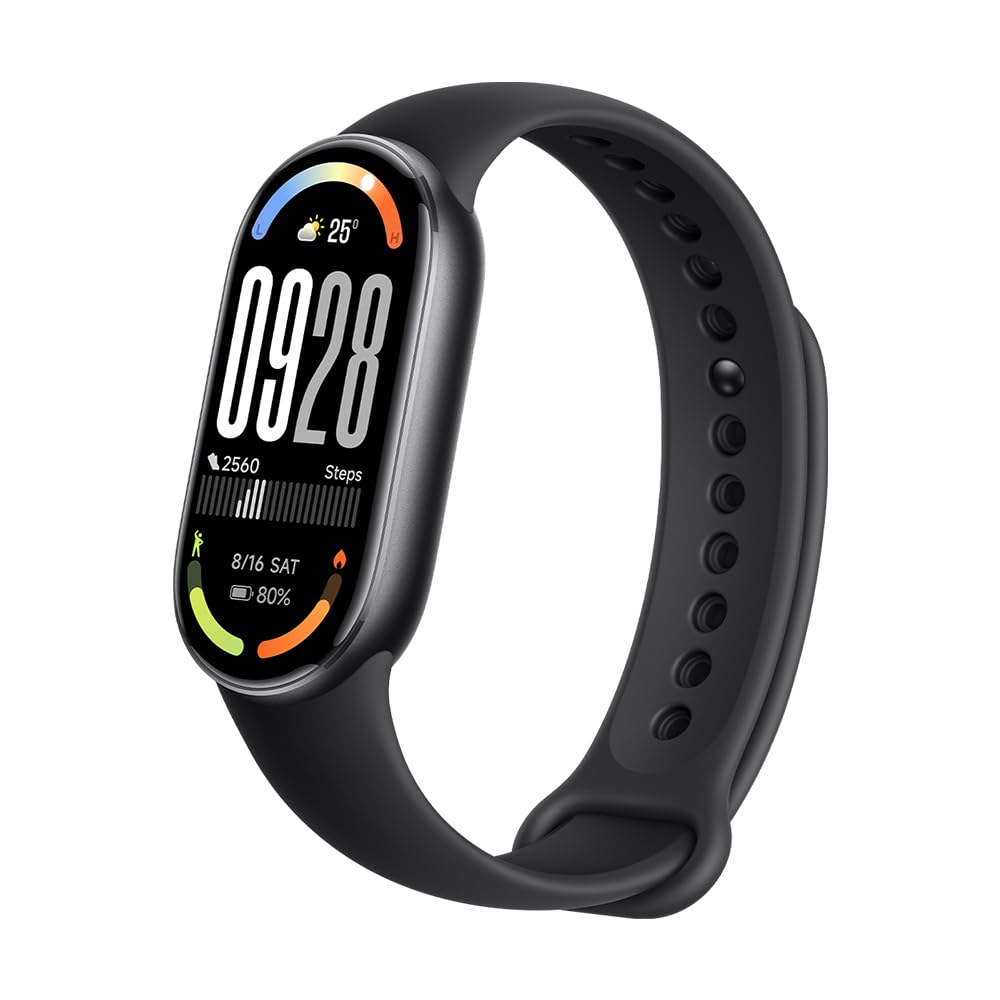
The Xiaomi Mi Band 10 delivers a 1.72-inch AMOLED display that rivals smartwatches twice its price, paired with a 21-day battery life that means you charge it roughly once every three weeks. This combination of screen quality and stamina is unheard of at its price, easily beating the Samsung Galaxy Fit 3 in display size and battery endurance.

This band targets budget buyers who want the best display and battery under $50 and are willing to carry their phone for GPS. It handles step counting, heart rate, and sleep tracking with decent accuracy for casual fitness. However, iPhone users may encounter occasional syncing drops that require manual reconnection – less of an issue if you stick with Android.

Build quality feels solid for a budget band, with 5 ATM water resistance letting you swim and shower without worry. The 1500-nit AMOLED stays readable in direct sunlight, and the SpO2 sensor adds basic blood oxygen monitoring. Step and heart rate accuracy is consistent enough for daily logging, though not medical-grade.

Bottom line: For budget shoppers who don't mind carrying a phone for GPS and use Android, the Mi Band 10 delivers exceptional display and battery value that few competitors match.

#4

Garmin Vivoactive 5

Garmin Vivoactive 5

Health & runners

Our Score 8.8/10
Check Price

Worth Noting

  • In a bright indoor setting or with always-on display, battery life may be closer to 5 days than the advertised 11
  • Bluetooth connection with iPhones can be inconsistent, with occasional disconnections needing manual re-pairing
Display
1.2" AMOLED
Battery Life
11 days
Health Sensors
HR, SpO2, sleep coach
Water Resistance
5 ATM
Read the full review

The Vivoactive 5 delivers precise built-in GPS for outdoor runs and walks, paired with Garmin's Body Battery, sleep score, and stress tracking to give a complete picture of daily wellness. The 1.2-inch AMOLED display looks sharp in most lighting, and the overall build quality feels premium without being bulky.

Battery life is advertised at 11 days, but with the always-on display enabled and regular GPS use, you may see 5–7 days between charges. Bluetooth connectivity with iPhones can occasionally drop, requiring a quick re-pair — this is less of an issue for Android users. For most daily routines, the watch maintains solid performance.

This watch suits health-conscious buyers who want detailed sleep and stress data, runners who need accurate GPS without carrying a phone, and anyone who values a sleek design for all-day wear. If extended battery life beyond two weeks is a priority, or if you rely on rock-solid Bluetooth with an iPhone, other options like the Amazfit Active Max with its 25-day battery may better fit your needs.

Tip: Disabling the always-on display extends battery life closer to the 11-day claim; keep it off if you don't need the screen constantly lit.

Bottom line: For buyers who prioritize accurate health metrics and GPS over marathon battery life, this is the most complete and well-supported option in the mid-range fitness smartwatch space.

#5

Amazfit Active 2 Premium

Amazfit Active 2 Premium

Style & fitness

Our Score 8.8/10
Check Price

Worth Noting

  • No charging cable included; only a magnetic base is provided, which may be inconvenient for travel.
  • Some units may become inoperable after a few months of use, indicating a potential durability concern.
Display
1.32" AMOLED sapphire
Battery Life
10 days
Health Sensors
HR, SpO2, sleep
Water Resistance
5 ATM
Read the full review

The Amazfit Active 2 Premium stands out with its sapphire glass cover and genuine leather band, materials usually found on watches costing twice as much. The round 1.32-inch AMOLED display reaches 2000 nits, making it readable outdoors. Built-in GPS tracks routes without a phone, and the 10-day battery life reduces charging frequency. This combination of premium materials and core fitness features sets it apart from more utilitarian fitness trackers like the Garmin Vivoactive 5.

This watch suits those who want a single device that looks appropriate in a business-casual office and performs well during workouts. The leather and sport strap options cover both scenarios. However, long-term durability is less established: some units have been reported to become inoperable after a few months of use. Also, no charging cable is included – only a magnetic base – which may be inconvenient for those who travel frequently.

Health tracking covers heart rate, sleep, SpO2, and stress, with accuracy sufficient for daily insights. The HYROX mode is a specific addition for competitive fitness events. While not as deep as Garmin's Body Battery or sleep coaching, the Amazfit provides consistent data for casual athletes and fitness enthusiasts.

Tip: Since only a magnetic charger base is included, consider keeping it at a fixed spot or purchasing a spare cable for travel.

Bottom line: If style and premium materials are your priority, the Amazfit Active 2 Premium offers them at a mid-range price without sacrificing basic fitness tracking – just be aware of the occasional durability concern.

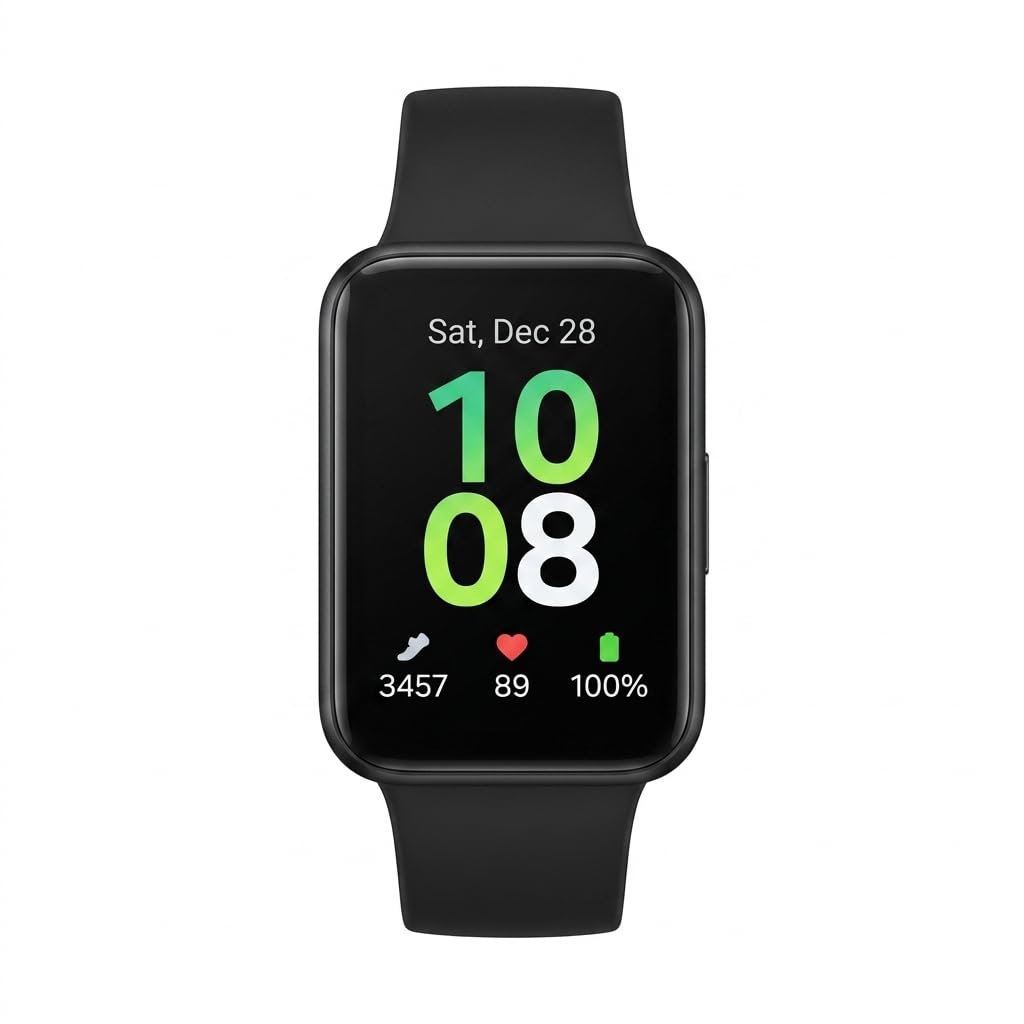
#6

Samsung Galaxy Fit 3

Samsung Galaxy Fit 3

Samsung phone

Our Score 8.8/10
Check Price

Worth Noting

  • Battery life can drop to 4-7 days with always-on display, falling short of the 14-day claim.
Display
1.6" AMOLED
Battery Life
14 days
Health Sensors
HR, accelerometer
Water Resistance
5 ATM/IP68
Read the full review

The Galaxy Fit 3's 1.6-inch AMOLED display delivers crisp visuals that outshine other options at this price, and tight integration with Samsung Health makes syncing steps, sleep, and heart rate data seamless for Galaxy phone owners. The band is lightweight and comfortable, with an intuitive touch interface that simplifies setup and daily use.

This tracker is designed for Samsung users who want consistent step tracking and basic health monitoring without the bulk of a full smartwatch. However, the battery falls short of the 14-day claim — with the always-on display enabled, you'll typically get 4–7 days between charges. Disabling that feature extends battery life closer to the advertised number, but it's a tradeoff worth noting.

Build quality feels premium for the price, with a metal bezel and soft silicone strap that withstands sweat and water (5 ATM + IP68). Step counts and sleep stages align well with other Samsung devices, making this a dependable companion for daily health tracking within the Galaxy ecosystem.

Tip: Turn off the always-on display to stretch battery life closer to the advertised 14 days.

Bottom line: For Galaxy phone owners who prioritize a bright AMOLED screen and seamless Samsung Health sync at a low price, the Fit 3 delivers impressive value — just plan on charging more often than the marketing suggests.

#7

Amazfit Bip 6

Amazfit Bip 6

Large display & GPS

Our Score 8.6/10
Check Price

Worth Noting

  • Moisture can get under the screen on some units
  • Some units may cease to function after a few months of use
Display
1.97" AMOLED
Battery Life
14 days
Health Sensors
HR, SpO2, sleep
Water Resistance
5 ATM
Read the full review

The Amazfit Bip 6 delivers a bright 1.97-inch AMOLED display and built-in GPS at a price that undercuts most competitors – a strong combination for casual fitness tracking and daily notifications. It covers 140+ workout modes, heart rate, SpO2, and sleep monitoring, and the 14-day battery means no daily charging. However, a minority of units may become non-functional after a few months, and moisture intrusion under the screen has been noted in some cases. These concerns make it a better fit for buyers on a tight budget who are comfortable with some variability, rather than those seeking long-term durability.

Bottom line: This watch suits budget buyers who want the largest screen and GPS for casual use, provided they are okay with some variability in long-term durability.

#8

Fitbit Charge 6

Fitbit Charge 6

Google integration

Our Score 8.2/10
Check Price

Worth Noting

  • Battery life with heavy GPS and workout use can require charging every day or two.
  • A portion of units may lose functionality within the first few months of ownership.
Display
1.04" LCD
Battery Life
7 days
Health Sensors
HR, SpO2, ECG
Water Resistance
50m IP68
Read the full review

The Charge 6 stands out for its seamless Google ecosystem integration, offering turn-by-turn navigation, contactless payments, and music control directly from a compact fitness band. It also pairs with compatible gym equipment to display heart rate in real time, a convenience appreciated by regular gym-goers. However, battery life with continuous GPS and active tracking can drop to a day or two, and durability has been uneven across units — some have required replacement within months. These factors make it a targeted choice rather than a universal recommendation; buyers wanting a long-term companion may find more consistent options elsewhere.

Bottom line: Pick this if you rely on Google services daily and want them on a slim band, and you are comfortable with possible battery quirks and occasional unit variability.

How to Choose

Built-in GPS vs Connected GPS

Built-in GPS records your route without your phone, but it drains the tracker's battery faster. Connected GPS uses your phone's GPS, saving the tracker's battery but consuming your phone's power and requiring you to carry it during runs.

For runners and hikers who don't want to bring a phone, built-in GPS is essential. For casual walkers who always have their phone nearby, connected GPS works fine and keeps the tracker smaller and cheaper.

Display Type and Brightness

AMOLED displays offer vibrant colors and deep blacks, making them easy to read indoors and in low light. LCDs are more power-efficient but look washed out in direct sunlight.

Brightness measured in nits matters for outdoor visibility. A 3000-nit screen is clearly readable under noon sun, while 1000-nit models may require shading. Always-on display further halves battery life regardless of screen type.

Battery Life in Days

Manufacturers advertise battery life with all power-saving features enabled. In practice, enabling always-on display, continuous heart rate, and GPS reduces runtime by 40-60%. A claimed 14-day tracker often lasts 5-7 days under normal use.

If you dislike charging, prioritize devices with 21+ day claimed battery. For daily charging tolerance, even 7-day models are fine as long as you accept nightly plugs.

Health Sensors

Most trackers include heart rate, SpO2, and sleep tracking. Optical heart rate sensors lose accuracy during high-intensity interval training compared to chest straps. Sleep tracking varies by brand – Garmin's sleep coach is more detailed than basic sleep stage estimates.

Blood pressure and blood oxygen readings from wrist sensors are not medical grade. Use them for trend monitoring, not diagnosis. Extra sensors like ECG and temperature add specific health insights but are found on fewer models.

Water Resistance

A 5 ATM rating means the device is swim-proof down to 50 meters. IP68 is dust and water resistant but may not handle pool chlorine or saltwater long-term. For swimmers, 5 ATM is the minimum; some trackers require a swim mode to prevent water lock.

Check if the tracker automatically detects swimming or needs manual activation. Water damage is common where the rating is misunderstood – a device rated IP68 can't be used for swimming.

Frequently Asked Questions