Tech & Wearables

9 Best Waterproof Headphones for Running 2026: Which Actually Outlast Cheap Pairs

Find waterproof running headphones that survive sweat and rain without breaking the bank. Weigh fit, battery, and real-world durability for your run style.

Many waterproof headphones for running promise IPX7 ratings and seamless Bluetooth, but a look at user reports reveals a different story: units dying within months, charging ports failing, and disconnections during sweaty workouts. It's a frustrating cycle of buying replacements.

The issue isn't waterproofing itself; it's the build quality and component choices that determine whether a headphone lasts six months or two years. Cheaper models often cut corners on battery circuits and charging connectors, leading to early failure.

This guide cuts through the confusion by highlighting the trade-offs you actually face: between in-ear isolation and open-ear safety, between deep bass and situational awareness, and between an ultra-low price and the longevity to see a full running season. The recommendations here focus on the models that survive regular use — no hype, just the facts.

#1

SHOKZ OpenRun

Top Pick
SHOKZ OpenRun

Open-ear safety

Our Score 9.0/10
Check Price

Worth Noting

  • Magnetic charging cable can be dislodged if not aligned precisely
  • Battery capacity may shorten after a year of regular use
  • Frame can develop stress cracks near the driver housing after extended use
Battery Life
8 hours
Fit Security
Open-ear wraparound
Sound & Style
Bone conduction open-ear
Waterproof Rating
IP67
Read the full review

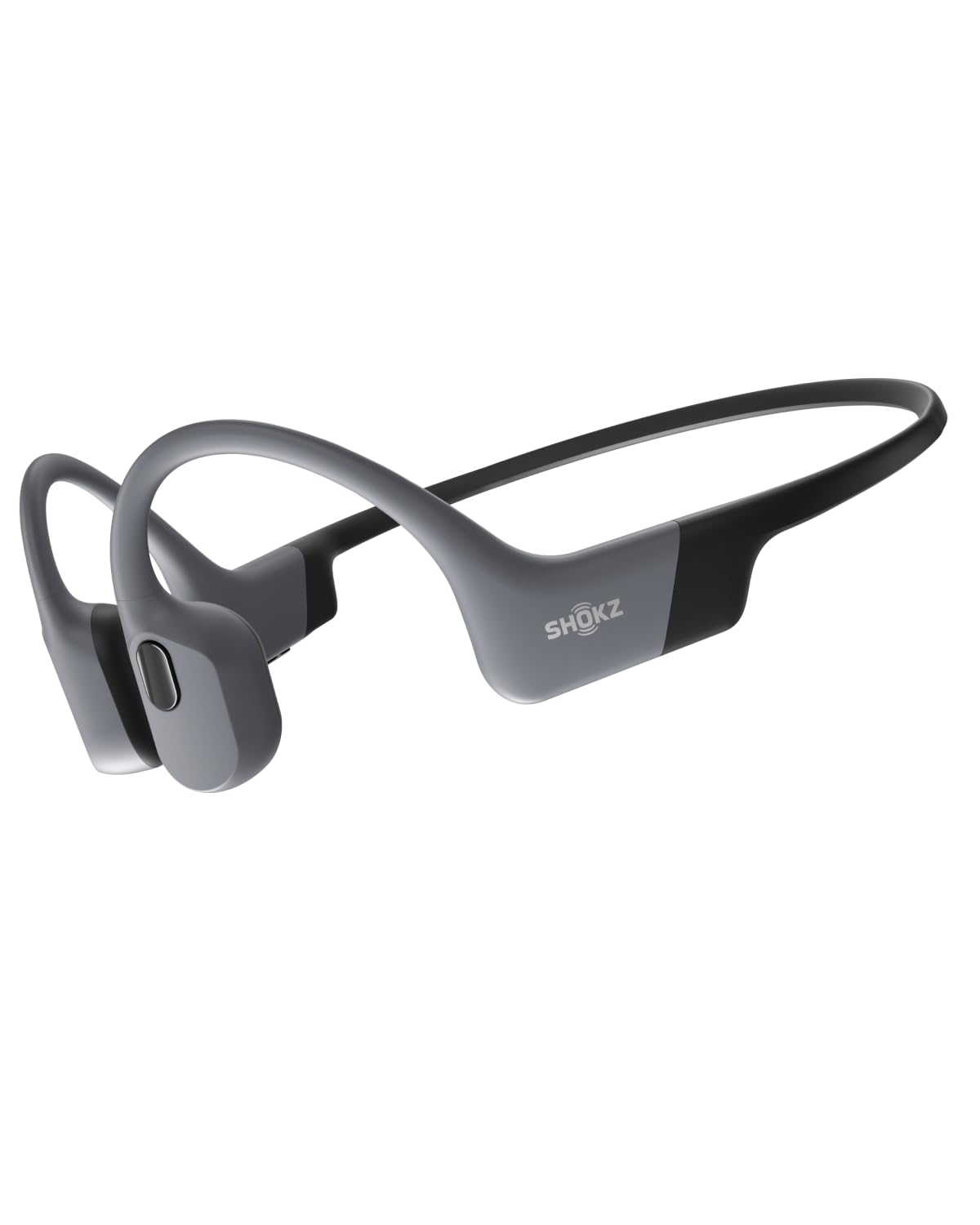
The wraparound frame stays locked in place during high-impact movement, and the 8th-generation bone conduction driver delivers clear audio without sealing the ear canal. This allows you to hear traffic, conversation, and other environmental cues while maintaining a steady music or podcast stream.

At 26 grams, the OpenRun is light enough to wear for hours without pressure points. The open-ear design eliminates the sweat buildup and occlusion that plague in-ear earbuds during long runs. Sound quality is full enough for spoken content and most music genres, though bass response is limited by the bone conduction format.

This headphone is built for runners who need dust and sweat protection (IP67) but not full submersion. It handles rain and heavy perspiration without issue, but it is not intended for swimming or immersion. If your runs stay on dry land and you value hearing your surroundings, the OpenRun is a well-matched tool. That said, the proprietary magnetic charger requires careful alignment to maintain a connection, and battery capacity can diminish after a year or two of regular charging cycles.

The frame uses a flexible titanium band, but some units may develop stress cracks near the driver housing after extended use. This is not a universal failure, but it is a known vulnerability for those who subject the headphone to frequent bending or storage in tight spaces. For most runners, the comfort and consistent fit outweigh these longevity considerations.

Tip: When charging, press the cable until it clicks fully into place to avoid intermittent connection issues.

Bottom line: For runners who need open-ear safety and sweat protection, the OpenRun offers a proven fit and sound profile — just be prepared for potential battery and frame wear beyond the first year.

#2

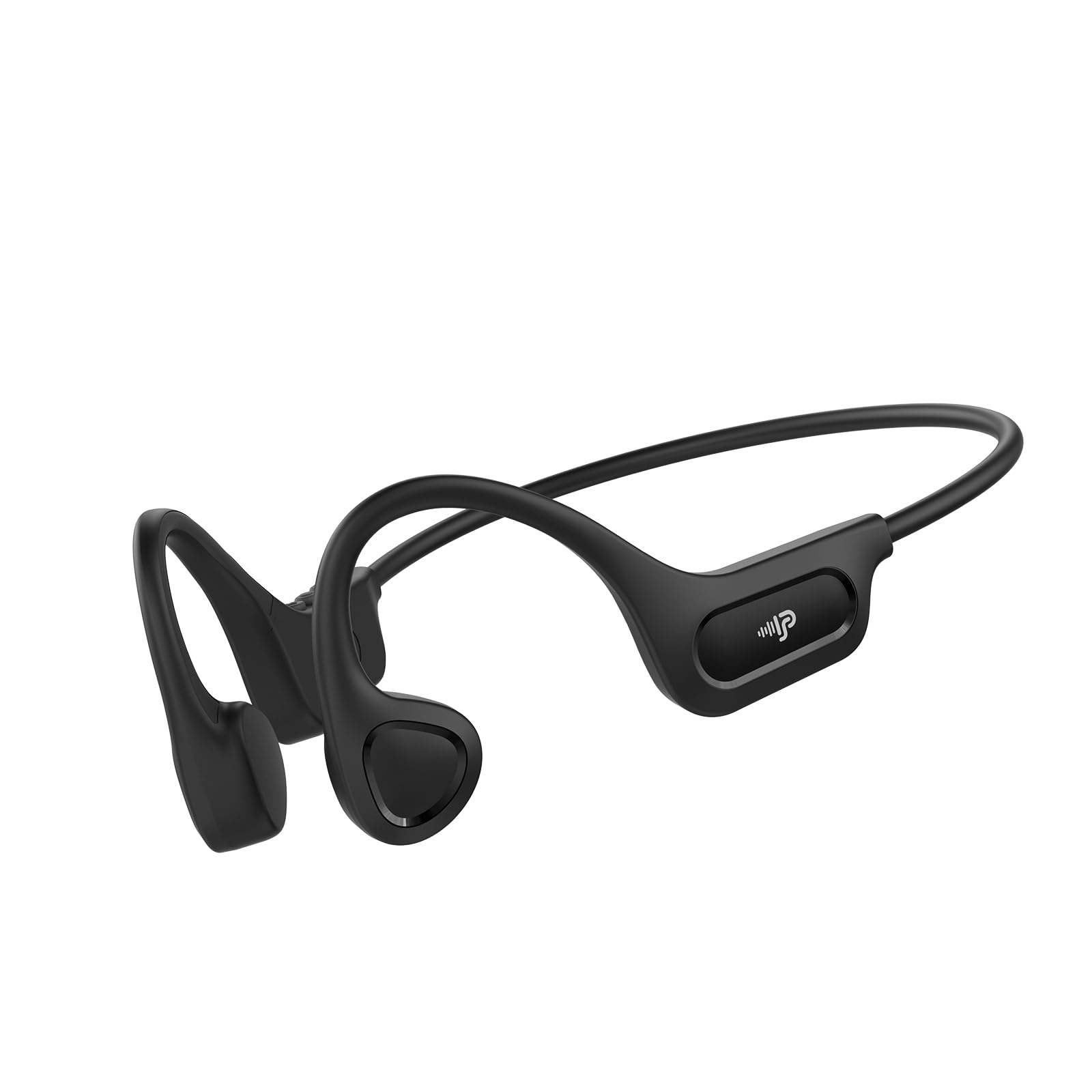
PSIER X24 Bone Conduction

PSIER X24 Bone Conduction

Phone-free running

Our Score 8.8/10
Check Price

Worth Noting

  • For podcasts or classical music, the bass emphasis can feel heavy
  • Bluetooth stops working once you submerge
Battery Life
8 hours
Fit Security
Bone conduction wraparound
Sound & Style
Bone conduction open-ear
Waterproof Rating
IPX8
Read the full review

The PSIER X24 stands out for combining IPX8 waterproofing with built-in 32GB MP3 storage, letting you leave your phone behind during runs and swims. Its open-ear fit stays secure on most head sizes during movement, and battery life reaches a practical 8 hours for daily training. Where the top pick (SHOKZ OpenRun) offers a larger trust base and refined comfort, the X24 counters with a lower price and dedicated MP3 mode that works both in and out of water.

This headphone suits runners who want phone-free workouts and swimmers needing a budget-friendly pool audio solution. The IPX8 rating handles submersion up to 2 meters, and the MP3 mode means you don't need Bluetooth underwater. That said, bone conduction sound lacks deep bass, and the Bluetooth connection drops once submerged – you'll rely entirely on the internal storage in the pool. For pop and rock, the bass emphasis works fine, but classical or podcast listeners may find it boomy.

Tip: Preload your playlists via USB before heading to the pool – the MP3 mode is your only audio option underwater.

Bottom line: For runners who want to leave their phone at home and swimmers on a budget, the PSIER X24 offers a rare combination of IPX8 waterproofing and MP3 storage at an accessible price.

#3

SHOKZ OpenSwim Pro

SHOKZ OpenSwim Pro

Swim-run triathletes

Our Score 8.6/10
Check Price

Worth Noting

  • Premium price may not make sense for runners who never swim
  • Battery life can vary between units
  • Bluetooth signal does not work underwater, requiring MP3 mode for pool sessions
Battery Life
9 hours
Fit Security
Bone conduction wraparound
Sound & Style
Bone conduction open-ear
Waterproof Rating
IP68
Read the full review

IP68 waterproofing and built-in MP3 storage make this the only bone conduction headphone that works both in the pool and on the road. The OpenSwim Pro holds up in chlorinated and salt water, and the bone conduction driver delivers clear audio while submerged — a distinct advantage over the OpenRun, which lacks any swim capability.

This headphone targets triathletes and dedicated swimmers who want one device for both sports. Underwater, Bluetooth does not transmit, so you must load songs onto the MP3 mode before each swim — a straightforward workflow once understood. For land-only runners, the premium price and dual-mode hardware are overkill; the OpenRun offers similar fit and comfort at a lower cost.

Battery life is rated at 9 hours, but some units may drain faster under heavy use — worth checking early battery behavior during the return period. The fit stays secure under swim caps and goggles, and the overall build feels robust for frequent pool sessions.

Tip: Load MP3 files before heading to the pool; Bluetooth will not connect underwater, so the internal storage is your only option during swims.

Bottom line: The only bone conduction headphone that handles pool laps and road runs equally well — ideal for triathletes, but overkill for purely land-based runners.

#4

Otium U18 In-Ear

Otium U18 In-Ear

Occasional backup

Our Score 8.6/10
Check Price

Worth Noting

  • Loss of audio in one earbud has been noted in some units after a short period
  • Isolated reports of charging-related overheating have been documented
Battery Life
15 hours
Fit Security
In-ear with ear hooks
Sound & Style
In-ear dynamic drivers
Waterproof Rating
IPX7
Read the full review

Under $20, this Otium earbud delivers IPX7 protection and ear hooks that stay put during a run — a strong value for someone who needs a cheap occasional pair. Sound quality is adequate for workout audio, and battery life reaches the advertised 15 hours. The tradeoff comes in longevity: some units may lose audio in one earbud within weeks, and there have been isolated reports of charging-related overheating. That makes it unsuitable as a primary headphone, but acceptable as a spare or for light use where budget is the deciding factor.

Bottom line: A viable option only as a backup or for infrequent use where the absolute lowest cost outweighs durability concerns.

#5

Ortizan I10 Open Ear

Ortizan I10 Open Ear

Casual dry runs

Our Score 8.6/10
Check Price

Worth Noting

  • Battery charging can become inconsistent, with some units not holding a charge after several weeks.
  • IPX6 water resistance is not enough for heavy sweat or rain
Battery Life
10 hours
Fit Security
Open-ear hook
Sound & Style
Air conduction open-ear
Waterproof Rating
IPX6
Read the full review

The Ortizan I10 Open Ear weighs just 19g — among the lightest open-ear designs. Sound is clear for podcasts and casual music at a budget-friendly price. But its IPX6 rating handles light splashes, not sustained rain or heavy sweat, which excludes it from wet-weather running. Battery life can vary; some units may stop charging after weeks. This headphone fits dry-climate walks and gym use where water exposure is minimal, not waterproof runs.

Bottom line: A good fit for dry-climate listeners who value extreme lightness and low cost, but not for runners who need genuine waterproof protection.

#6

PSIER X23 Bone Conduction

PSIER X23 Bone Conduction

Gym dry climates

Our Score 8.6/10
Check Price

Worth Noting

  • IPX5 rating allows moisture ingress during heavy sweat or rain
Battery Life
10 hours
Fit Security
Open-ear wraparound
Sound & Style
Bone conduction open-ear
Waterproof Rating
IPX5
Read the full review

The PSIER X23 delivers strong sound clarity and minimal sound leakage for a bone conduction headphone, with a comfortable wraparound fit that stays secure during movement. Battery life reaches 10 hours with quick charging, offering good endurance for daily gym sessions. However, the IPX5 water resistance is not sufficient for heavy sweat or rain exposure - moisture ingress has been noted in some cases. This makes it a capable choice for indoor or dry-weather use, but not for runners who need waterproofing.

Bottom line: Best suited for dry gym sessions or indoor running where water exposure is minimal; not for wet-weather runners.

#7

JBL Endurance Peak 4

JBL Endurance Peak 4

ANC & IP68

Our Score 8.4/10
Check Price

Worth Noting

  • Noise cancellation reduces ambient sound but not as thoroughly as higher-end models
  • Battery life from the buds can run shorter than the 12-hour claim under continuous ANC use
  • Bluetooth connection may drop when earbuds become wet from sweat during intense workouts
Battery Life
12h buds + 36h case
Fit Security
TwistLock + ear hooks
Sound & Style
In-ear adaptive ANC
Waterproof Rating
IP68
Read the full review

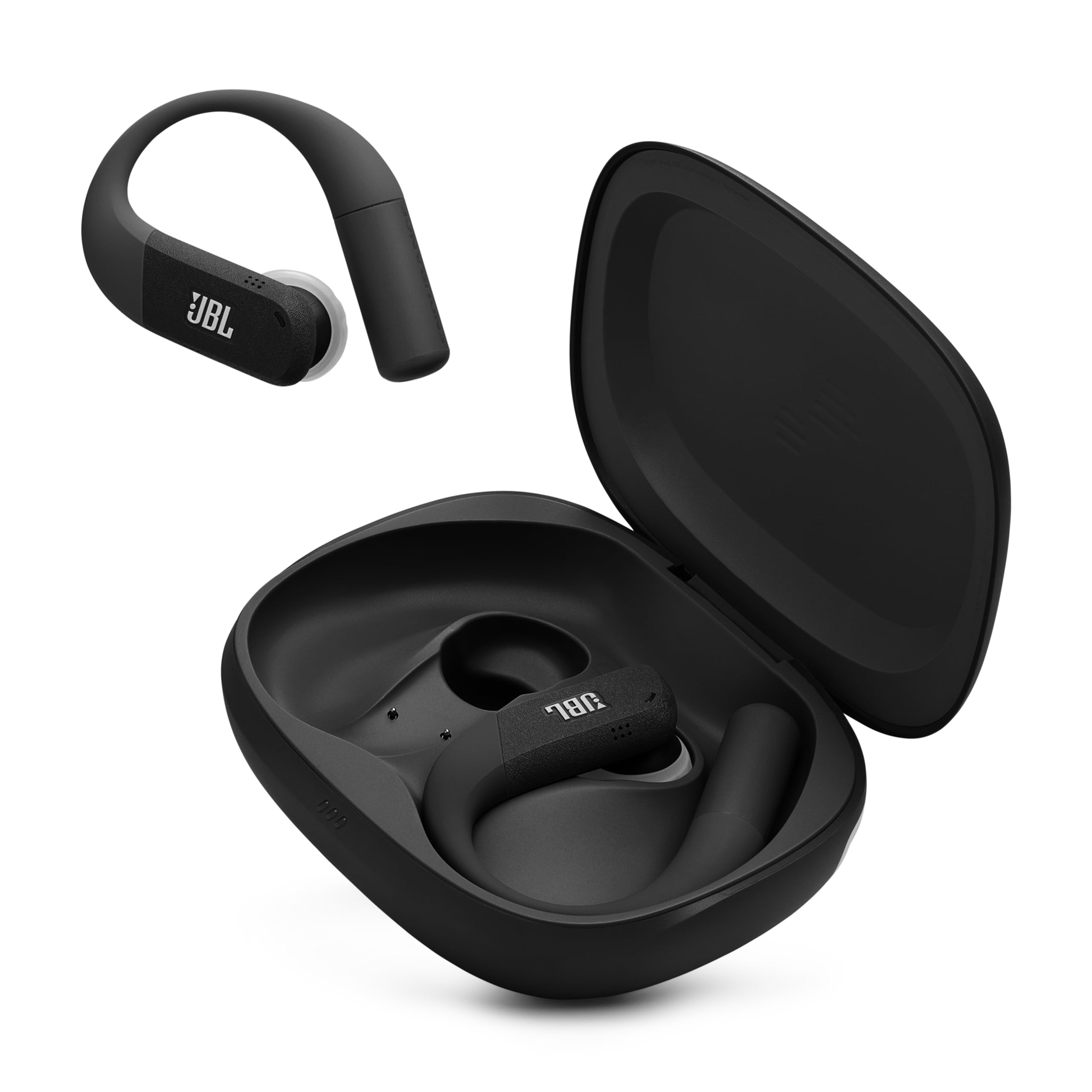
The JBL Endurance Peak 4 combines two hard-to-find features in a sport earbud: an IP68 waterproof and dustproof rating with adaptive noise cancellation, all secured by the TwistLock ear hooks. This pairing is rare among running-focused earbuds, which often trade water resistance for ANC or vice versa.

Runners looking to block out gym noise or traffic will find the noise cancellation effective enough, and the secure fit stays put during sprints and plyometrics. That said, the Bluetooth connection can drop when the earbuds get wet from heavy sweat — a tradeoff to consider if your workouts leave you soaked.

The JBL Pure Bass tuning delivers punchy, clear sound that energizes workouts, and the six-microphone system handles calls in moderately noisy environments without issue.

Tip: Wiping sweat from the earbuds and ear area during workouts can help maintain Bluetooth stability.

Bottom line: Best for runners who prioritize IP68 water protection and ANC in a secure earbud, provided they can accept occasional Bluetooth drops during sweaty sessions.

#8

JOYWISE U18C In-Ear

JOYWISE U18C In-Ear

Occasional workouts

Our Score 8.4/10
Check Price

Worth Noting

  • Some units may stop charging or pairing within months of purchase
  • Ear hooks may feel too large for those with smaller ear conchas
Battery Life
16 hours
Fit Security
In-ear with ear hooks
Sound & Style
In-ear dynamic drivers
Waterproof Rating
IPX7
Read the full review

The JOYWISE U18C delivers IPX7 waterproofing and a locked-in fit at a price that undercuts most competitors in the running earbud category. The ear hooks hold firm during sprints and interval work, and the 16-hour battery covers several workout sessions between charges. Audio is clear enough for gym playlists, with decent volume for outdoor runs.

This makes it a sensible choice for runners who work out occasionally and don't want to invest heavily in audio gear. However, the device's durability record means it functions best as a backup or stopgap rather than a long-term daily companion. Those with smaller ears may find the ear hooks too large for a comfortable fit, so trying the smallest included tip is advisable.

Tip: If the ear hooks feel too large, swapping to the smallest included tip can improve comfort.

Bottom line: If you need an inexpensive IPX7 earbud for the occasional run and accept that it may not survive a full year, the JOYWISE U18C delivers on its core promises.

#9

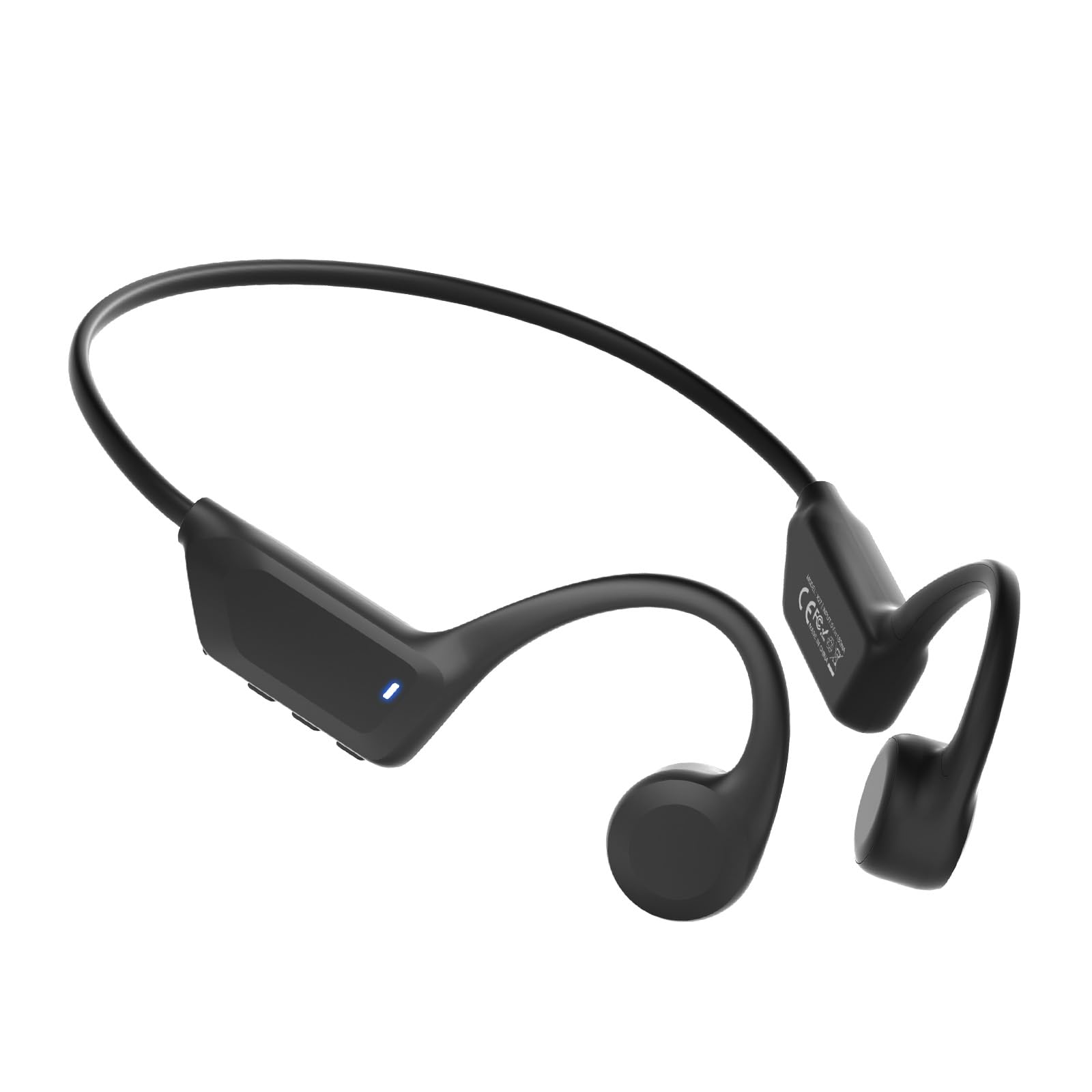
Gelecek X27 Bone Conduction

Gelecek X27 Bone Conduction

Our Score 8.4/10
Check Price

Worth Noting

  • No IP waterproof rating leaves sweat/rain protection unconfirmed.
  • Incomplete product specifications make it hard to assess fit and durability.
Battery Life
10 hours
Fit Security
Open-ear bone conduction
Sound & Style
Bone conduction open-ear
Waterproof Rating
Read the full review

The Gelecek X27 offers a lightweight, open-ear fit that prioritizes comfort during runs. Its Bluetooth 6.0 and 10-hour battery life meet basic expectations. But the lack of a standard IP waterproof rating means its resistance to sweat and rain is unverified – a significant gap for anyone needing reliable water protection. With incomplete specifications and a small user base, long-term performance remains uncertain. This is a budget option for those who value weight savings over confirmed water resistance.

Bottom line: Only consider the Gelecek X27 if you are willing to accept an unverified waterproof claim in exchange for an ultra-light, budget-friendly bone conduction headset.

How to Choose

Waterproof Rating: IPX7 vs IP68 vs IPX6

IPX7 handles submersion up to 1 meter for 30 minutes, which covers heavy rain and sweat. IP68 goes deeper and longer, but often forces you to use MP3 mode because Bluetooth doesn't work underwater. IPX6 is fine for light rain but can fail during intense sweat sessions or heavy downpours. For runners, IPX7 is the practical minimum if you train in wet climates.

Battery Life: Real-World vs Advertised

Advertised battery life often assumes ideal conditions and low volume. Real-world use with music streaming or Bluetooth connectivity can reduce runtime by 20–30%. Charging port design also matters: proprietary magnetic cables are prone to loose connections, leading to early battery failure. Look for USB-C for reliability.

Fit Security: Earbuds vs Bone Conduction

In-ear earbuds with ear hooks provide the most secure fit for vigorous movement, but they can be uncomfortable for small ears and create a seal that blocks outside sound. Bone conduction designs wrap around the head and rest on the cheekbones, leaving ears open for ambient awareness – ideal for road safety. However, they can shift with sweat if not fitted properly.

Sound Quality: In-Ear vs Open-Ear

In-ear earbuds deliver richer bass and better isolation, which is great for focus but dangerous on roads. Open-ear headphones (bone conduction or air conduction) sacrifice low-end punch for situational awareness. If you run in traffic, open-ear is safer; if you run on trails or in a gym, in-ear with noise cancellation can enhance the experience.

Durability and Reliability: What to Expect

The biggest complaint across all price ranges is premature failure – battery degradation, charging issues, or frame breakage. Cheaper models often use lower-quality battery circuits and plastic frames that don't hold up to repeated sweat exposure. Spending $50–100 typically gets you a headphone that lasts a year or more, while $20 models may need replacement in months.

Frequently Asked Questions