Tech & Wearables

10 Best Waterproof Fitness Trackers of 2026: Reliable Picks That Actually Last

Which waterproof fitness trackers survive daily swims and workouts without failing? Find the ones that balance accuracy, battery, and durability.

Most waterproof fitness trackers claim they can handle a swim, but thousands of reviews tell a different story: screens that fog, batteries that die early, and devices that stop working weeks after the return window closes. The gap between marketing and real-world durability is especially wide for budget models.

That gap is not about bad engineering across the board. Garmin's Forerunner line, for example, has a much lower failure rate than many Fitbit and budget alternatives. The difference comes down to component quality and firmware stability, not brand loyalty.

This guide focuses on trackers that maintain accuracy and connection over months of use, not just out of the box. You will find specific trade-offs explained, so you can match a device to your workout routine without surprises later.

#1

Garmin Forerunner 165

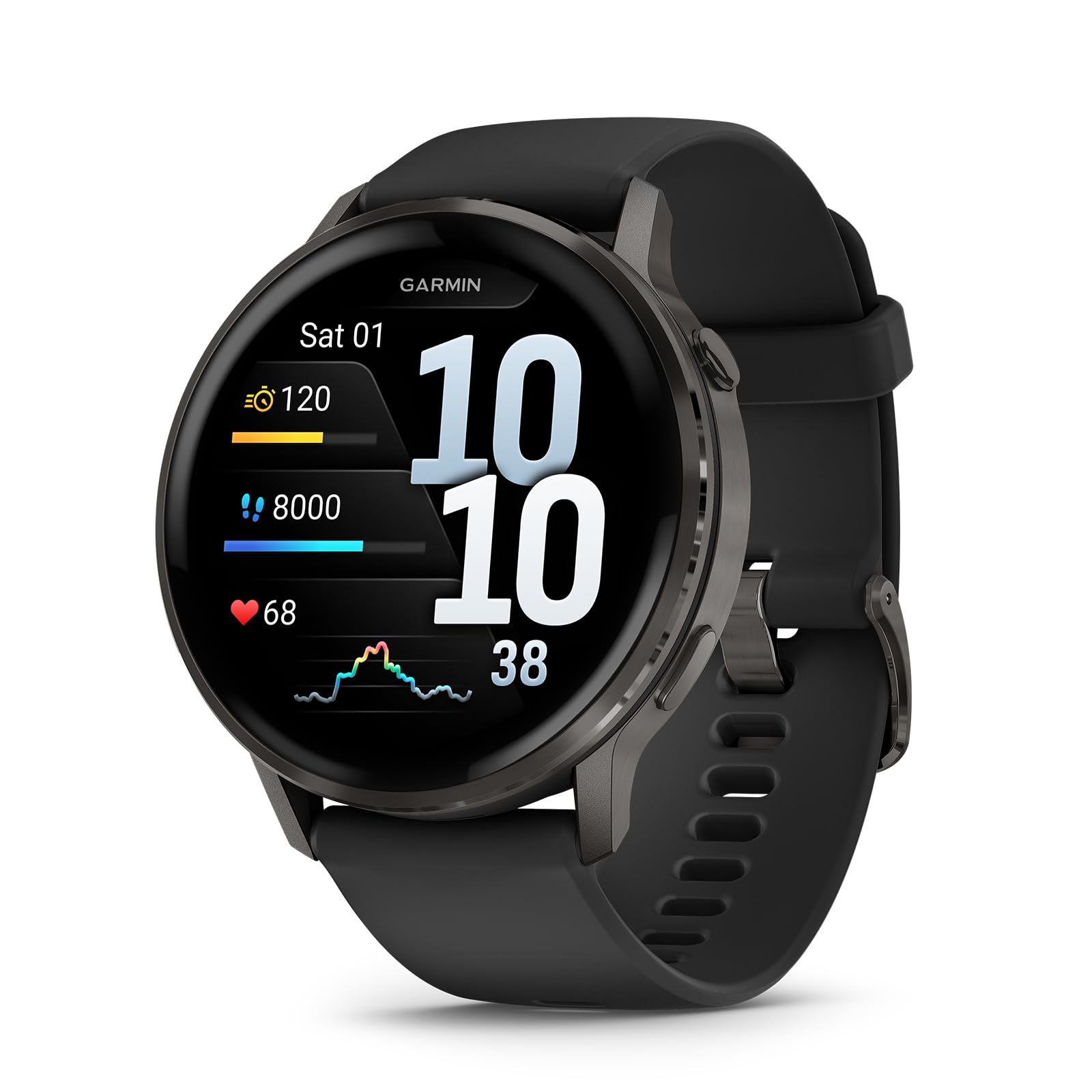
Top Pick
Garmin Forerunner 165

Runners & daily fitness

Our Score 9.4/10
Check Price

Worth Noting

  • No music storage or phone call capability
  • Data-rich interface may feel cluttered for casual users who prefer a simpler watch.
GPS
Multi-band GNSS
Battery Life
11d smartwatch / 19h GPS
Water Resistance
50 meters
Read the full review

Multi-band GNSS provides GPS accuracy that holds up in urban canyons and wooded trails, while the 1.2-inch AMOLED display remains readable in direct sunlight. The 11-day smartwatch battery (19 hours in GPS mode) covers a week of daily wear and multiple runs without charging anxiety. Training metrics like daily suggested workouts and HRV status offer data depth without overwhelming the core running experience.

Sleep tracking captures rest quality and overnight heart rate variability, feeding into recovery insights that adjust suggested effort levels. The morning report summarizes sleep, training readiness, and weather in a single glance. Incident detection and live tracking add a safety layer for solo runners. Battery life holds close to advertised figures: most users report 10-11 days with moderate notifications and one hour of GPS activity per day.

This watch suits runners and fitness enthusiasts who prioritize accurate training data, long battery life, and a no-fuss GPS experience. It is not for those who need music storage or on-wrist phone calls — there is no speaker or microphone. The data-rich interface rewards users who enjoy diving into metrics; casual buyers seeking a simple step counter may find the screens busy. 50-meter water resistance makes it suitable for pool swimming, though open-water swim mode is basic.

Tip: Customize data screens in Garmin Connect to simplify the watch face for a less cluttered view.

Bottom line: For runners who want accurate GPS, long battery, and consistent performance without paying for smart features they will not use, the Forerunner 165 is the clear choice.

#2

Garmin Forerunner 265S

Garmin Forerunner 265S

Serious runners

Our Score 9.4/10
Check Price

Worth Noting

  • Standard band may be too short for wrists over 7 inches, requiring a replacement.
  • Interface can be non-intuitive for first-time Garmin users, demanding time to learn the menus.
GPS
Multi-band GNSS
Battery Life
15d smartwatch / 24h GPS
Water Resistance
5 ATM (50m)
Read the full review

The Forerunner 265S brings advanced training readiness and multi-band GPS into a compact 42mm case, setting it apart from the Forerunner 165's more standard size. The AMOLED display is vibrant and easy to read, while the battery comfortably reaches the claimed 15 days in smartwatch mode.

This watch suits runners with smaller wrists who want deep training metrics and recovery insights. However, those new to Garmin may find the initial setup and navigation non-intuitive, and the included band may not accommodate larger wrists without a replacement.

Sleep tracking provides actionable recovery scores, and the multi-band GPS delivers consistent route and pace data during runs. The training readiness feature helps gauge when to push or rest, adding practical value for data-driven athletes.

Tip: Consider a longer band separately if your wrist circumference exceeds 7 inches.

Bottom line: The 265S is a capable choice for dedicated runners who prioritize advanced metrics and a smaller wrist fit, despite the initial learning curve.

#3

Garmin Forerunner 965

Garmin Forerunner 965

Ultimate training

Our Score 9.4/10
Check Price

Worth Noting

  • Premium price may not be justified for those who don't need extreme battery or maps.
  • GPS and heart rate accuracy can occasionally be inconsistent during high-intensity training.
GPS
Multi-band GNSS
Battery Life
23d smartwatch / 31h GPS
Water Resistance
50 meters
Read the full review

The Forerunner 965 delivers a 23-day smartwatch battery and 32GB storage for maps and music, making it a top choice for ultra-endurance athletes who need navigation and long autonomy. Its 50m water resistance suits pool and open-water swimming. However, the high price places it above the Forerunner 265S, which offers most of the same training features at a lower cost. For casual runners or those who don't need offline maps, the 265S is the better value.

Bottom line: Best for dedicated ultrarunners and triathletes who require long battery life and offline maps; casual users will find better value in the Forerunner 265S.

#4

Garmin Venu 4

Garmin Venu 4

Premium health hub

Our Score 9.2/10
Check Price

Worth Noting

  • Some units may experience premature failure after weeks of use
  • Heart rate tracking can lose accuracy during intense exercise
GPS
Multi-band GNSS
Battery Life
12 days
Water Resistance
50 meters
Read the full review

The Venu 4 delivers a polished experience with its stainless steel bezel, vibrant AMOLED display, and feature set that includes ECG, a flashlight, and on-wrist phone calls — all within a water-resistant shell suitable for swimming. Battery life easily exceeds a week with regular use. However, the premium price places it above most fitness trackers, and some units may stop functioning after weeks of use. Heart rate accuracy can also become inconsistent during high-intensity intervals. For buyers focused on running metrics or raw fitness value, the Forerunner series is a more direct fit.

Bottom line: Best for Garmin enthusiasts who want advanced health sensors and phone calls and can accept the occasional unit variance; for pure fitness tracking or running, the Forerunner 165 provides better value.

#5

Garmin Venu 3S

Garmin Venu 3S

Stylish compact

Our Score 9.0/10
Check Price

Worth Noting

  • Menu navigation can be non-intuitive for users new to Garmin, requiring patience to learn.
  • Watch may lose sync with the phone app occasionally, requiring manual reconnection.
GPS
Built-in GPS
Battery Life
10 days
Water Resistance
50 meters
Read the full review

The Venu 3S delivers accurate heart rate, step counting, and sleep tracking with a stylish stainless steel bezel, all while offering phone call and music storage – features rarely found in a 41mm smartwatch. The menu navigation may feel clunky to those accustomed to simpler interfaces, and occasional sync interruptions between watch and phone have been noted. These limitations make it less suitable for users who want a straightforward experience or advanced running metrics, where the Forerunner series handles those better.

Bottom line: Best suited for those who want a premium-looking smartwatch with phone call capability and detailed sleep tracking, provided they can accept a learning curve with the interface.

#6

Amazfit Active 2 Premium

Amazfit Active 2 Premium

Value seekers

Our Score 8.8/10
Check Price

Worth Noting

  • Possible software glitches or pairing issues after several months of use
GPS
Built-in (5 systems)
Battery Life
10 days
Water Resistance
50 meters
Read the full review

The Amazfit Active 2 Premium sets itself apart with sapphire glass and a genuine leather strap at a mid-range price — materials usually reserved for watches costing twice as much. It pairs those with built-in GPS (five satellite systems) and a claimed 10-day battery that holds up in real use. Compared to the Garmin Forerunner 165, which offers more consistent tracking and fewer software hiccups, this Amazfit trades a plastic build for a premium look and feel.

This watch is for buyers who prioritize style and value over absolute tracking precision. It delivers accurate daily metrics for steps, sleep, and heart rate, plus over 160 sports modes including HYROX. However, software glitches have been noted in some units after extended use, so those needing fail-safe long-term reliability may want to look elsewhere. The Zepp app is straightforward, and setup is quick.

The 1.32-inch AMOLED display is bright and responsive, and the water resistance to 50 meters makes it suitable for swimming. Battery life consistently hits around 10 days with normal use, reducing the need for frequent charging. For the price, the feature set is hard to beat.

Tip: Have a USB-C cable ready — the watch ships without one, but any standard USB-C charger works.

Bottom line: A stylish smartwatch that brings premium materials and solid battery life to a value-conscious buyer — best for those who can accept occasional software quirks.

#7

Samsung Galaxy Fit 3

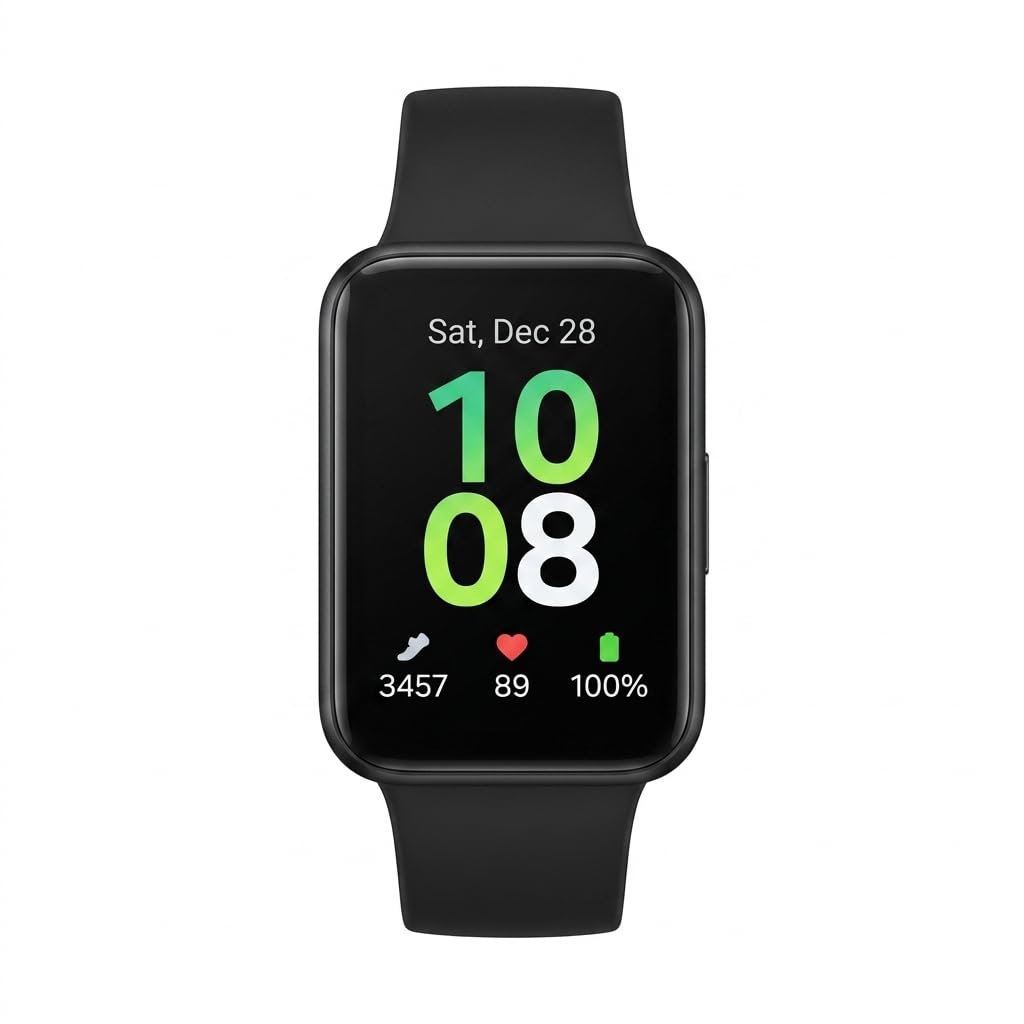
Samsung Galaxy Fit 3

Android budget

Our Score 8.8/10
Check Price

Worth Noting

  • Battery life with typical use may be 5-7 days rather than the claimed 14.
  • Not compatible with iPhones or iOS devices.
GPS
No built-in
Battery Life
Up to 14 days
Water Resistance
5ATM / IP68
Read the full review

The Galaxy Fit 3 centers its appeal on a bright 1.6-inch AMOLED display and a battery that can stretch well beyond a week for basic use. Under $50, it delivers a screen quality usually reserved for more expensive trackers, and the interface remains simple to navigate even for first-time fitness band users.

Water resistance to 50 meters means it handles swimming and showering without issue. Step counting and heart rate tracking are consistent enough for everyday awareness, and the display stays readable in direct sunlight.

This tracker is best suited for Android users who want a straightforward step and sleep tracker without needing built-in GPS for outdoor runs. Those who require GPS will need a more advanced device like the Garmin Forerunner 165.

Tip: Expect around 5-7 days of battery; charge weekly to avoid surprises.

Bottom line: Android users looking for a budget-friendly fitness tracker with a great screen and solid basics will find the Galaxy Fit 3 a smart buy, provided they don't need GPS or iOS support.

#8

Garmin Vivoactive 5

Garmin Vivoactive 5

Health all-rounder

Our Score 8.8/10
Check Price

Worth Noting

  • Occasional Bluetooth dropouts with paired phones can interrupt notification sync
  • Always-on display mode reduces battery to 5-7 days instead of the advertised 11
GPS
Built-in GPS
Battery Life
11 days
Water Resistance
50 meters
Read the full review

Bright AMOLED display and comprehensive Garmin health metrics like body battery and sleep coaching make this a capable daily wellness companion. Swimmers and gym-goers benefit from 50m water resistance and built-in GPS. However, Bluetooth connections can drop intermittently, and with always-on display enabled, battery life runs 5-7 days rather than the advertised 11. For those seeking running-focused accuracy and fewer connectivity quirks, the Forerunner 165 is a more focused option.

Bottom line: Ideal for Garmin ecosystem fans and wellness-oriented users who value display quality and day-to-day health tracking over precision running features.

#9

Garmin Venu Sq 2

Garmin Venu Sq 2

Square design fans

Our Score 8.8/10
Check Price

Worth Noting

  • Band material can cause skin irritation in some users.
  • Step counting may differ slightly from other devices.
GPS
Built-in GPS
Battery Life
11 days
Water Resistance
50 meters
Read the full review

The Venu Sq 2 delivers an 11-day battery and Garmin’s wellness suite — body battery, stress tracking, and sleep analysis — in a compact square design. Step counting can be slightly off compared to other devices, and the included band may cause skin irritation for some users. It lacks the advanced training metrics of the Forerunner series, making it better suited for general fitness than dedicated runners. Still, for those who prioritize battery life and health tracking over run-specific data, it offers good value.

Bottom line: A fitting choice for everyday fitness tracking and wellness monitoring, provided you don’t require detailed running analytics and are mindful of the band material.

#10

Fitbit Inspire 3

Fitbit Inspire 3

Fitbit beginners

Our Score 8.4/10
Check Price

Worth Noting

  • Syncing via Bluetooth can require repeated pairing attempts to maintain connection.
  • Some units may stop charging or become unresponsive after months of use.
GPS
Via smartphone
Battery Life
10 days
Water Resistance
50m / IP68
Read the full review

The Inspire 3 stands out among budget trackers for its 10-day battery life and the depth of the Fitbit app, which offers stress management, sleep analysis, and a large community. Pricier models like the Forerunner 165 add built-in GPS and greater durability, but this Fitbit keeps costs low by relying on your phone for location data. The included three-month Premium subscription provides additional insights like sleep score and readiness, though the free tier already covers the basics.

This tracker suits buyers who want basic activity and sleep tracking without spending much — ideal for students or casual users. It also fits Fitbit fans looking for an inexpensive secondary device to wear during workouts. However, some units may develop charging problems or become unresponsive after several months — a consideration for those expecting years of use.

Step counting stays steady throughout the day, and the lightweight band is comfortable for all-day wear. The 50m water resistance means it is safe for swimming and showering, adding to its practicality for everyday fitness. Build quality feels solid for the price, with the touch display responsive to taps and swipes.

Tip: Keep the Inspire 3 near your phone during sync to reduce connection drops.

Bottom line: A budget-friendly entry into the Fitbit ecosystem with solid step tracking and long battery life. Best for those who prioritize low cost over long-term durability.

How to Choose

Water Resistance Depth

A rating of 50 meters (5 ATM) means the device can handle swimming and shallow-water activities, but not high-pressure water sports like diving or jet skiing. The gaskets and seals degrade over time, especially with repeated exposure to chlorine or saltwater.

If you only lap swim once a week, a 50-meter rating is sufficient. For open-water swimming or frequent use, consider a device with a higher rating (e.g., 10 ATM) and a metal casing to reduce seal wear.

Built-in GPS

Built-in GPS tracks your route and pace without needing your phone, which drains your phone's battery quickly if you rely on connected GPS. Multi-band GNSS (used in Garmin Forerunners) improves accuracy in urban canyons and tree cover.

Without built-in GPS, you must carry your phone for distance tracking, which defeats the wrist-worn simplicity many buyers want. Budget trackers often omit GPS, making them less suitable for outdoor runners.

Battery Life

Advertised battery life assumes minimal use, such as limited notifications and no always-on display. With hour-long GPS workouts and continuous heart rate, expect 50-70% of the stated number. For example, a tracker claiming 11 days may last 5-7 days with daily exercise.

Battery chemistry also degrades after 300-500 full charge cycles, so a device with a larger battery (e.g., 23-day rating) will still last years before noticeable decline, while a 7-day model may need daily charging within a year.

Heart Rate Accuracy During Exercise

Optical heart rate sensors struggle during high-intensity interval training and swimming because arm motion and water affect light absorption. Wrist-based HR tends to lag behind chest straps by 10-15 seconds during rapid changes.

For serious runners and swimmers, review ratings for 'heart rate accuracy' matter more than the sensor type. Garmin and Amazfit perform better in steady-state cardio; Fitbit models often miss spikes or overcount during tempo runs.

Durability and Long-Term Reliability

Durability depends on board-level sealing, charging port protection, and firmware memory management. Devices with frequent sync failures or random shutdowns often have software bugs that accumulate over time, not hardware defects.

Garmin's Forerunner line has the lowest failure rate in this category based on user reports. Fitbit models, especially the Versa 4 and Sense 2, show a high incidence of stopping work within 6-12 months, often due to battery or charging circuit issues.

Frequently Asked Questions