Tech & Wearables

8 Best Fitness Tracker Heart Rate 2026: Accurate Tracking on a Budget

Which fitness tracker delivers reliable heart rate, long battery, and a great screen without costing a fortune.

Fitness trackers promise 24/7 heart rate monitoring, but many fall short when you actually break a sweat. Battery life often doesn't match the sticker claim, and budget models cut corners on sensor quality. The result is a device that frustrates instead of motivates.

This guide cuts through the marketing to highlight trackers that actually deliver on heart rate accuracy and battery longevity. Whether you are a budget buyer or a serious athlete, the right pick comes down to display quality, sensor reliability, and water resistance - not flashy extras like blood pressure readings that rarely hold up to scrutiny.

#1

Xiaomi Smart Band 10

Top Pick
Xiaomi Smart Band 10

General fitness

Our Score 9.0/10
Check Price

Worth Noting

  • Syncing with Apple Health can be glitchy and may require re-pairing
  • Distance tracking defaults to kilometers with no way to switch to miles
Battery
21 days typical
Display
1.72" AMOLED, 1500 nits
Compatibility
iOS & Android
Water Resistance
5ATM (50m)
Read the full review

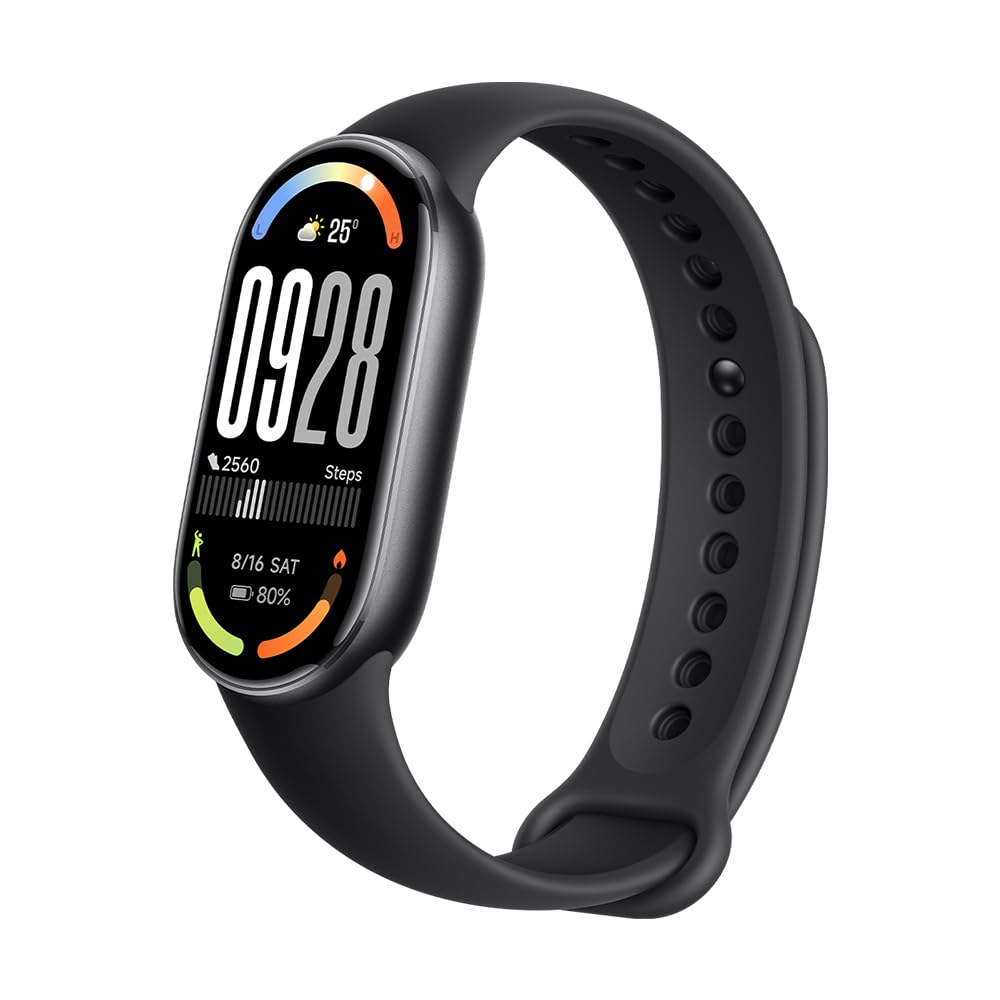
A 1.72-inch AMOLED display with 1500 nits peak brightness makes this band readable even under direct sunlight — a feature usually reserved for devices costing three times as much. The 21-day battery life means charging every three weeks is realistic for most users, even with continuous heart rate monitoring enabled.

Step and heart rate tracking hold up well against more expensive rivals, giving consistent readings during walking, jogging, and daily activities. Sleep stage recognition and SpO2 measurements are best treated as trends rather than clinical data, which is common at this price. The connected GPS via phone works reliably for tracking outdoor routes without draining the band's battery.

This band suits Android users who prioritize display quality and battery life over seamless ecosystem integration. The Xiaomi Fit app is required, and it works well on most Android phones but offers limited support for Apple Health — syncing can be glitchy and may require occasional re-pairing. US buyers should note that distance displays are metric-only with no option to switch to imperial units. For Samsung phone owners, the Galaxy Fit 3 offers tighter Samsung Health integration, but the Band 10 compensates with a larger screen and broader phone compatibility.

Tip: If you need imperial units, check whether the Xiaomi Fit app updates add that option — currently it is not available.

Bottom line: For Android users who want a large, bright screen and multi-week battery without spending premium prices, the Band 10 is the strongest value in this category.
#2

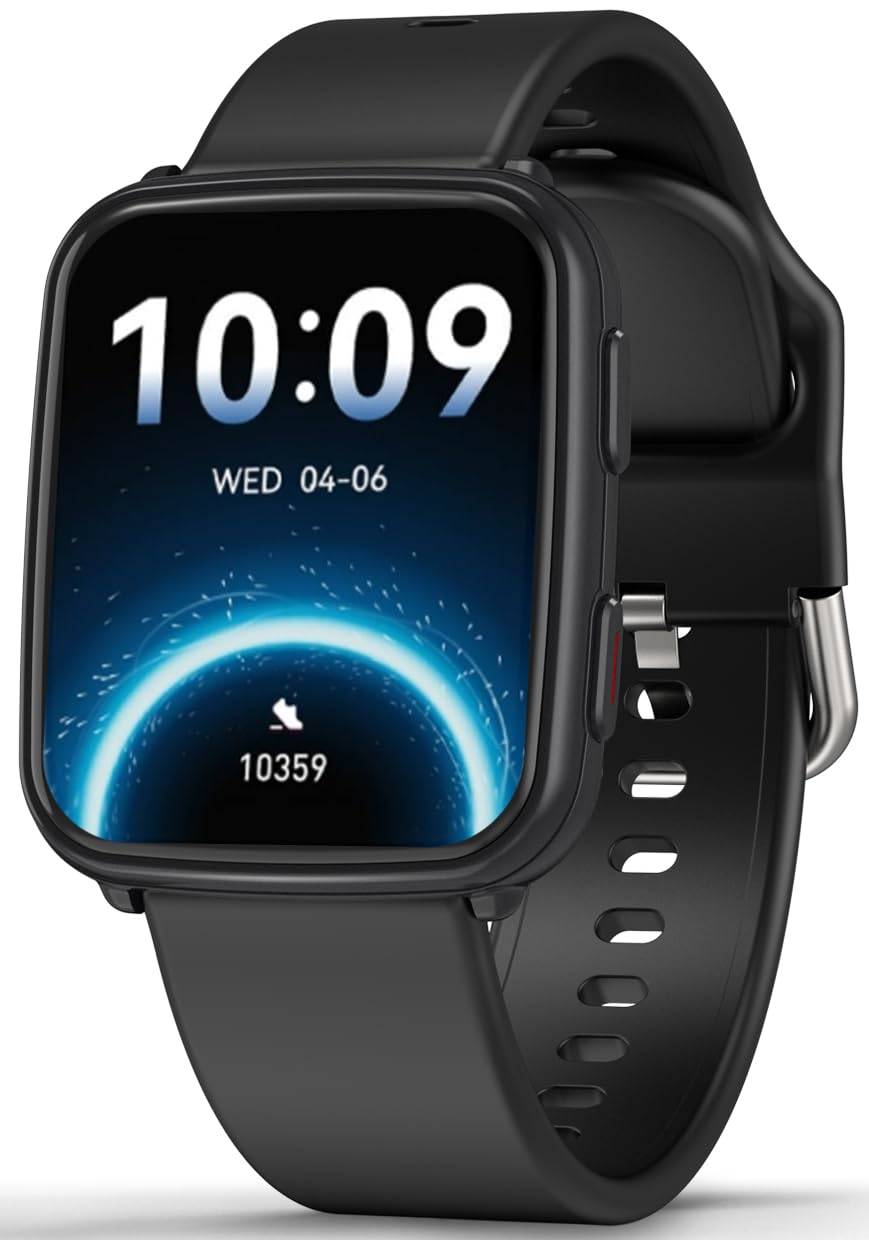
Samsung Galaxy Fit 3

Samsung Galaxy Fit 3

Android users

Our Score 8.8/10
Check Price

Worth Noting

  • Incompatible with iPhones and other iOS devices - only pairs with Android phones
  • For walks with limited arm movement, step counts may not match actual distance traveled
  • No built-in GPS - requires phone nearby for accurate distance and pace during outdoor activities
Battery
13-14 days typical
Display
1.6" AMOLED
Compatibility
Android only
Water Resistance
5ATM / IP68
Read the full review

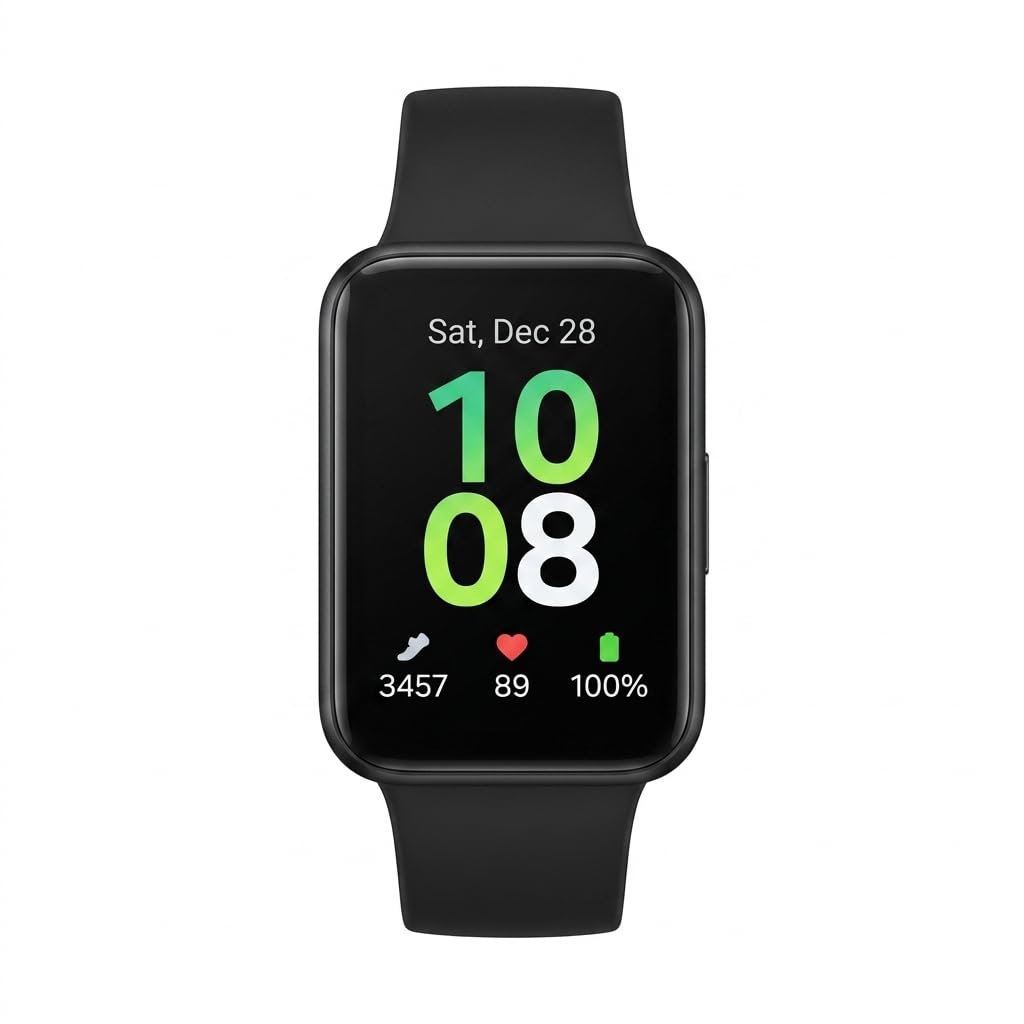
The Galaxy Fit 3 pairs a bright 1.6-inch AMOLED display with up to 14 days of battery life, but its main draw is the deep integration with Samsung Health and Galaxy phones. Menus respond quickly, and the always-on display makes checking stats effortless. While the Xiaomi Smart Band 10 offers a larger screen and longer battery, the Fit 3 gives Samsung loyalists direct access to detailed sleep scores, stress tracking, and heart rate variability data within the same app they already use.

This tracker is purpose-built for Android users who own a Samsung Galaxy phone and want a no-fuss health companion. It records heart rate, sleep stages, and SpO2 trends that sync instantly with Samsung Health. The main tradeoff: it will not pair with iPhones at all, and step counting can miss steps during low-movement activities like pushing a stroller or carrying a bag.

Bottom line: A focused choice for Samsung phone owners who want Samsung Health data at a mid-range price - skip it if you need standalone GPS or an iPhone-compatible tracker.

#3

MorePro Air6

MorePro Air6

Health monitoring

Our Score 8.8/10
Check Price

Worth Noting

Battery
7 days typical
Display
1.52" LCD
Compatibility
iOS & Android
Water Resistance
IP68
Read the full review

The MorePro Air6 stands out among budget fitness trackers by including blood pressure and cycle tracking alongside heart rate, SpO2, and over 120 sport modes. Where the Fitbit ecosystem emphasizes app integration and community, the MorePro focuses on packing the most health sensors directly into the watch at a lower price.

The watch feels solid on the wrist with a comfortable band that stays put during daily wear and light exercise. Battery life stretches to about seven days on a single charge, and the fast charging gets you back up quickly. The IP68 rating means it can handle submersion, and the 1.52-inch LCD display stays readable in most lighting.

This tracker suits users who want the broadest set of health metrics without spending much, especially those interested in women's health features like cycle tracking. Blood pressure readings are best used to follow daily changes, not for medical decisions — a typical limitation for wrist-based sensors.

Bottom line: If you need blood pressure and cycle tracking on a budget, the MorePro Air6 offers the most health sensors in an affordable package — just remember the readings are trend data, not clinical.

#4

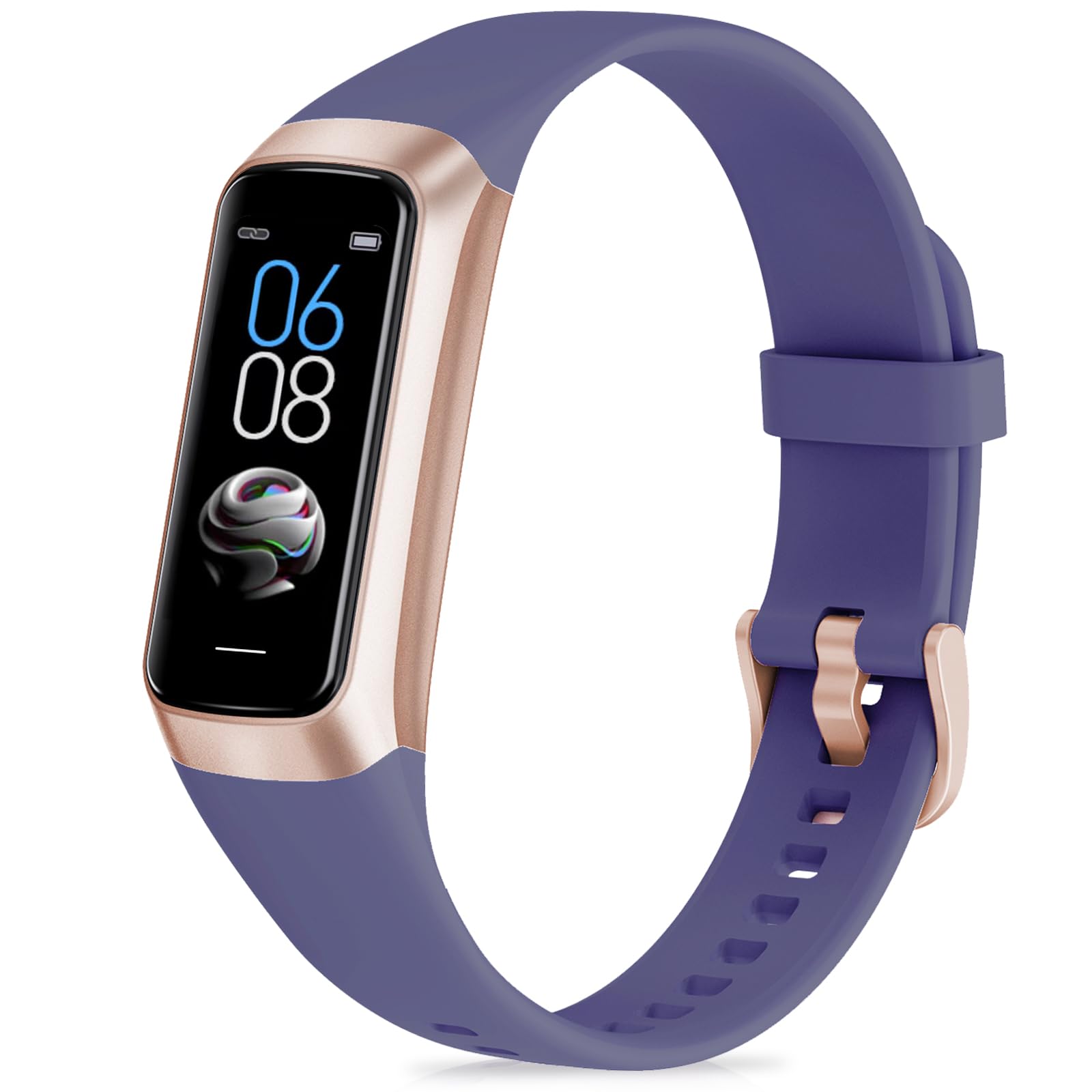
ST-CARE C60

ST-CARE C60

Budget alternative

Our Score 8.8/10
Check Price

Worth Noting

Battery
10-14 days typical
Display
1.1" AMOLED
Compatibility
iOS & Android
Water Resistance
5ATM
Read the full review

The ST-CARE C60 delivers solid step and heart rate tracking for its price bracket, with a bright 1.1-inch AMOLED display and 5ATM water resistance that feel more premium than the cost suggests. Setup is quick and the companion app is easy to navigate, making it a straightforward option for anyone wanting basic activity and sleep monitoring without spending much.

What keeps it from being a go-to recommendation is that long-term durability under daily wear is still being evaluated — this is a higher-risk pick among affordable trackers. If you value a polished screen and core tracking accuracy over a long track record, the ST-CARE C60 is worth considering, especially when compared to other entry-level AMOLED models that may cost slightly more.

Bottom line: Best for budget-conscious buyers who prioritize screen quality and basic health tracking, provided they accept that the tracker's long-term durability is still unverified.

#5

Zeacool C60

Zeacool C60

Budget AMOLED

Our Score 8.6/10
Check Price

Worth Noting

  • Blood pressure readings are for trend reference only, not medical-grade
  • Long-term durability is less assured compared to more established models
Battery
10-14 days typical
Display
1.1" AMOLED
Compatibility
iOS & Android
Water Resistance
5ATM
Read the full review

The Zeacool C60 brings a bright 1.1-inch AMOLED screen and swim-proof 5ATM water resistance to a price point where those features are rare. Battery life stretches to two weeks under typical use, which matches or beats many premium trackers. Compared to the top pick, it trades a slightly larger display and a more established track record for a notably lower cost.

This tracker suits budget-conscious buyers who want a sharp display and the freedom to swim or shower without removing it. Blood pressure readings are best interpreted as trends rather than clinical measurements — a category-wide limitation. Long-term durability under heavy use is less certain than with models that have been on the market longer; early signs are positive, but the sample size is still building.

Setup is straightforward, and the silicone band stays comfortable for all-day wear — even during sleep tracking. The companion app covers the basics: step counting, heart rate history, sleep stages, and SpO2. For someone stepping up from a basic pedometer or looking for a low-cost introduction to smart health tracking, the C60 delivers the essentials without fuss.

Tip: Use blood pressure readings as trends rather than absolute values — they are not a substitute for a medical device.

Bottom line: If you want an AMOLED fitness tracker under $30 and don't mind trading a longer market history for immediate savings, the Zeacool C60 is a solid pick.

#6

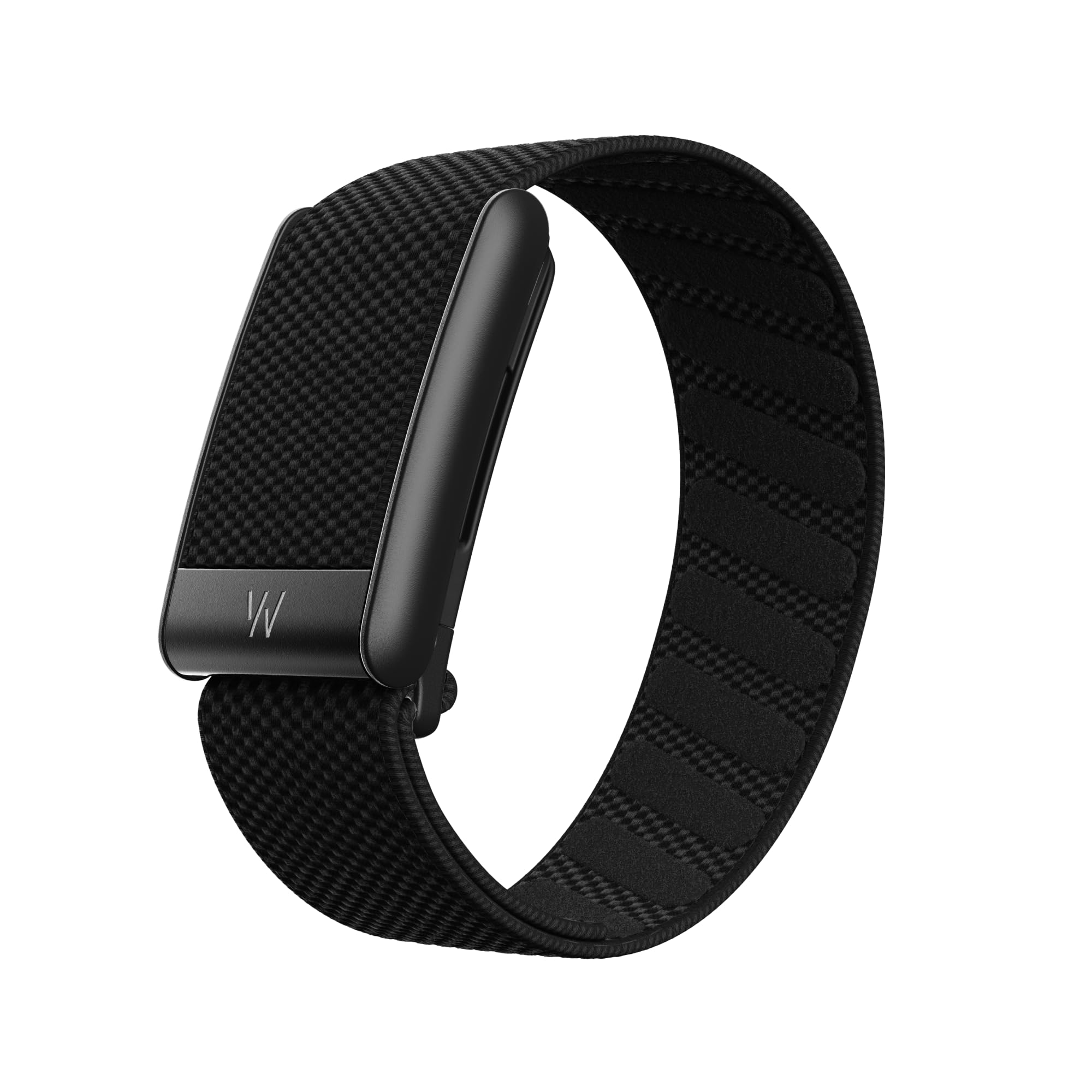
WHOOP 5.0

WHOOP 5.0

Serious athletes

Our Score 8.6/10
Check Price

Worth Noting

  • No visible display for checking time or workout stats
  • Heart rate tracking can show variance during high-intensity intervals compared to a chest-strap monitor.
  • Requires a $30/month subscription after the first year, raising total cost of ownership notably.
Battery
14+ days
Display
Screenless (no display)
Compatibility
iOS & Android
Water Resistance
Waterproof (PowerPack)
Read the full review

The WHOOP 5.0 sets itself apart with a screenless design that focuses entirely on recovery and training load analytics, backed by a battery that lasts over two weeks between charges. While most fitness trackers juggle display readability and notifications, the WHOOP strips away the screen to deliver continuous strain monitoring and personalized coaching based on your daily recovery state.

This tracker is purpose-built for serious athletes who want to quantify their training load and sleep quality without wrist-based distractions. The subscription model ($30/month after the first year) makes it a long-term commitment best suited for those who will actively use the daily strain and recovery data. The screenless design requires checking the phone app for any time or stat readout — a tradeoff that aligns with the distraction-free intent.

The 14-day battery supports continuous wear without interruption, capturing sleep and recovery data round the clock. The WHOOP app translates raw sensor data into daily strain targets and recovery scores, giving athletes a clear action plan for training intensity. For users who already manage their workouts through a phone app, the lack of a wrist display becomes a minor adjustment rather than a limitation.

Tip: For reliable heart rate during high-intensity workouts, consider using a Bluetooth chest strap alongside the WHOOP.

Bottom line: For athletes committed to optimizing their training load with daily recovery insights, the WHOOP 5.0 delivers unmatched analytics — but the subscription cost makes it a long-term investment that only makes sense for those who will use the data actively.

#7

Moremore C60

Moremore C60

Ultra-budget

Our Score 8.6/10
Check Price

Worth Noting

  • Heart rate and step measurements can vary between sessions
  • Some units stop working after a few weeks, making long-term use uncertain
Battery
7 days typical
Display
1.1" AMOLED
Compatibility
iOS & Android
Water Resistance
Not rated
Read the full review

The Moremore C60 offers a vibrant 1.1-inch AMOLED screen — unusually bright for this price range — and quick setup, making it a solid entry point for first-time tracker buyers. Battery life lasts several days of typical use. However, heart rate and step accuracy can vary between sessions, and some units have stopped working after a few weeks of wear. This tracker is best viewed as an affordable introduction rather than a tool for consistent health monitoring.

Bottom line: A budget-friendly introduction to wearable tracking, best for short-term experimentation rather than reliable daily health monitoring.

#8

Fitbit Inspire 3

Fitbit Inspire 3

Fitbit ecosystem

Our Score 8.4/10
Check Price

Worth Noting

  • Some units may stop charging or functioning after several months of use
  • Battery life may fall short of the 10-day claim, requiring more frequent charging
Battery
10 days typical
Display
0.76" digital non-AMOLED
Compatibility
iOS & Android
Water Resistance
IP68 (50m)
Read the full review

The Inspire 3 delivers the Fitbit app ecosystem that many users already know, with stress tracking and sleep insights that benefit from the brand's long-running community. Setup is quick, and the build quality feels good for daily wear. However, some units may stop charging after a few months, and battery life can require charging sooner than the advertised 10 days. These limitations keep it from competing with more consistent options in the same price tier.

Tip: Charge the device daily if you use always-on display or continuous heart rate monitoring.

Bottom line: Worth considering if you're already in the Fitbit ecosystem and can accept possible early hardware issues; otherwise, look at the top pick for more consistent performance.

How to Choose

Display Type and Size

AMOLED displays offer vibrant colors and high brightness for outdoor visibility, but they consume more battery than LCD screens. A 1.1-inch AMOLED is fine for quick glances, while a 1.72-inch screen provides more data at once.

The trade-off: brighter, larger screens reduce battery life by 30-50% if always-on. If you prioritize battery, consider an LCD tracker or an AMOLED with an raise-to-wake setting.

Battery Life

Battery life claims assume minimal features: no continuous heart rate, no GPS, and moderate notifications. With 24/7 heart rate and sleep tracking, expect 60-70% of advertised duration. A tracker that lasts 7 days real-world is adequate for most.

Longer battery (14+ days) usually means a simpler display or lower sensor sampling rate. For sleep tracking, a battery that survives at least a week avoids the hassle of daily charging.

Heart Rate Sensor Accuracy

Optical heart rate sensors use LED light to measure blood flow under the skin. They work well at rest and during steady-state cardio, but struggle with high-intensity intervals, weight lifting, or cold weather. Skin tone, tattoos, and hair can also interfere.

For serious training, a chest strap paired with a wrist tracker gives the best data. In this price range, consistency matters more than absolute accuracy – a tracker that reads the same trend day-to-day is more useful than one that spikes randomly.

Water Resistance Rating

IP68 means the tracker can survive 1.5 meters of water for up to 30 minutes – fine for hand washing and rain, but not for swimming or showering with soap. 5ATM (50 meters) is the real standard for pool swimming and moderate surf.

Budget trackers often claim 'waterproof' without an ATM rating. Actual failures happen when the seals degrade from chlorine or salt water. Stick to models with a published 5ATM rating if you plan to swim regularly.

Phone Compatibility

Most fitness trackers support both iOS and Android, but features are often locked on one platform. For example, Samsung Galaxy Fit 3 works only with Android, while some budget trackers have a basic app on both but lack advanced sync (e.g., Apple Health).

If you use Apple Health, check that the tracker writes data directly – many budget models require a third-party app bridge that introduces delays and inaccuracies. For seamless integration, stick with models that explicitly list Apple Health or Google Fit support.

Frequently Asked Questions