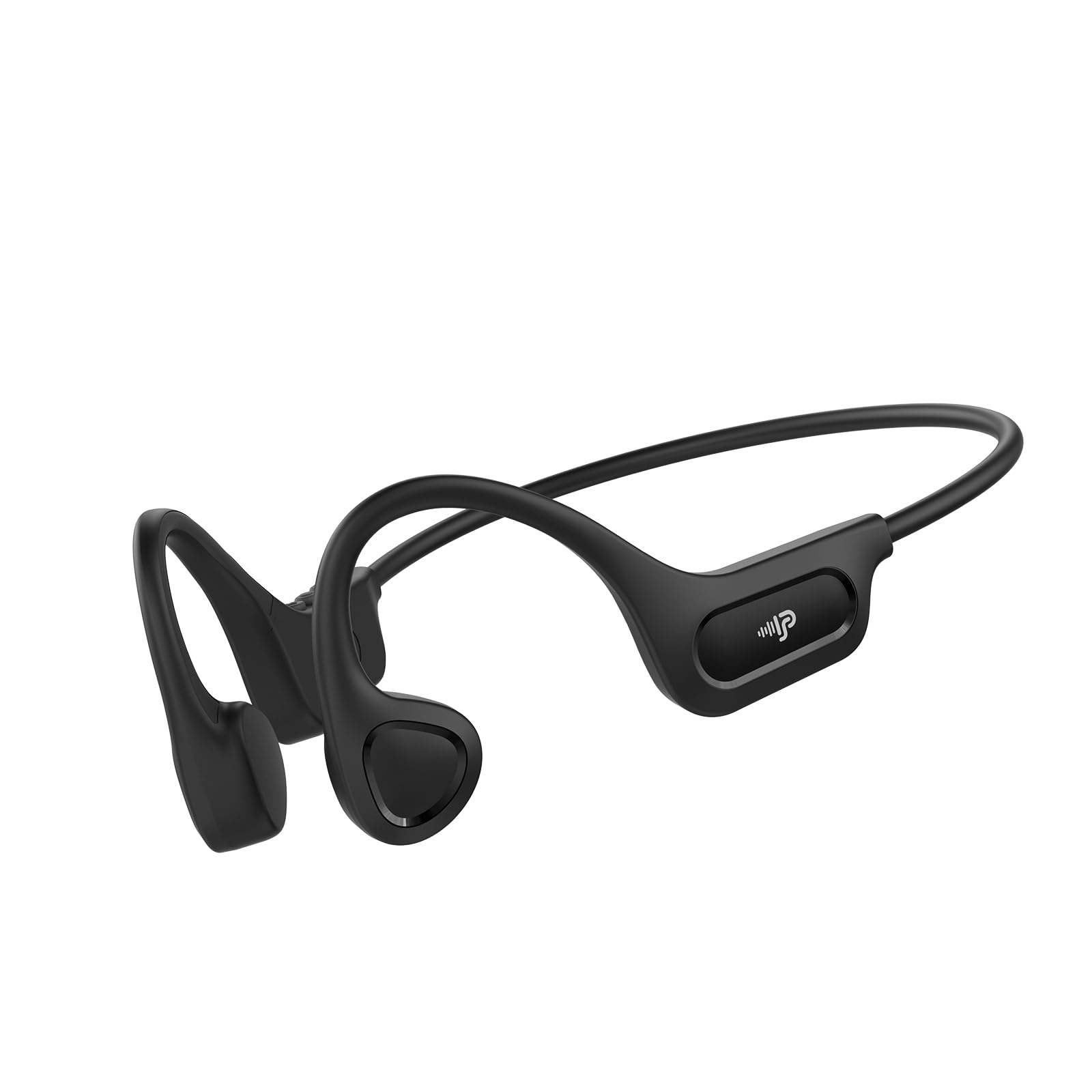
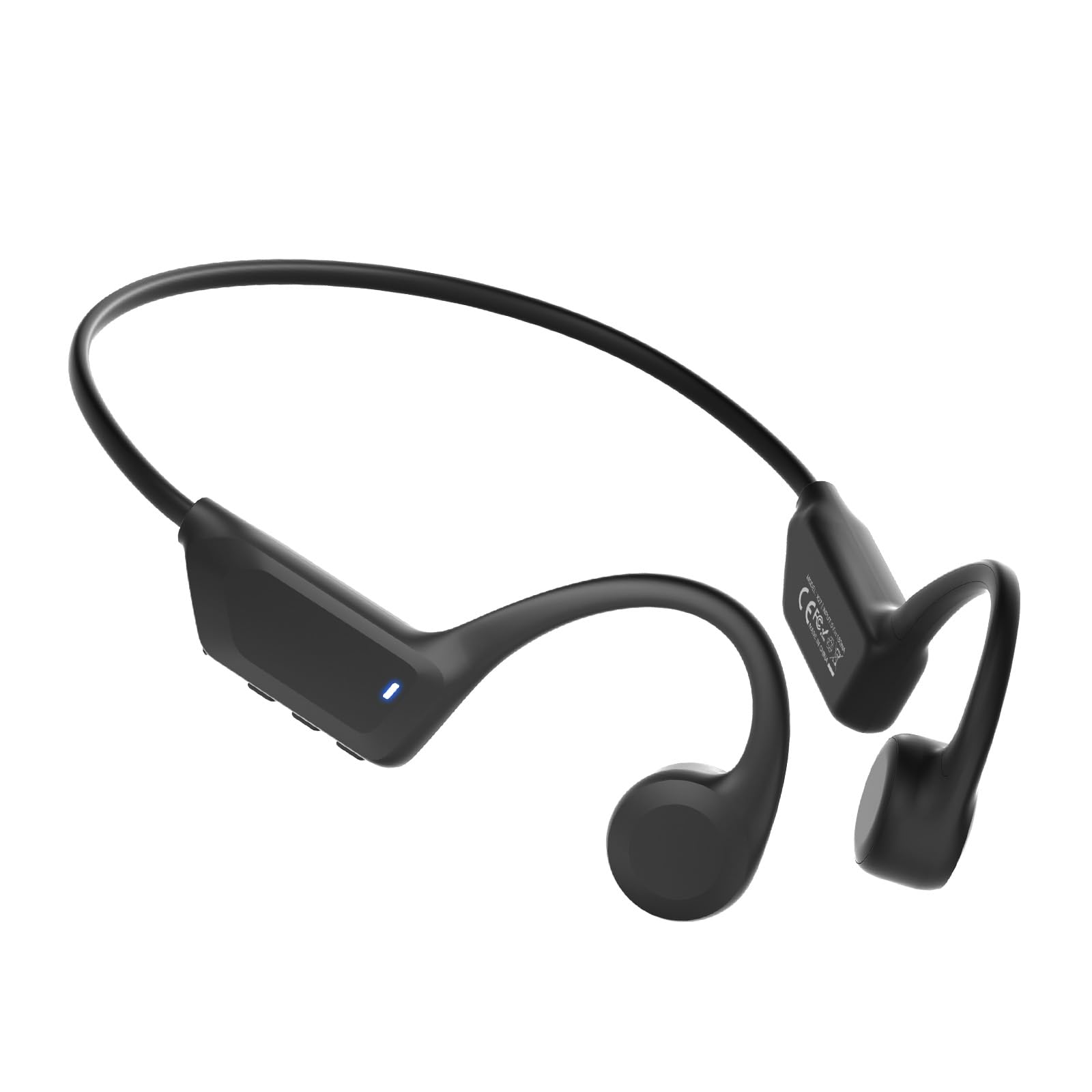
Tech & Wearables

8 Best Bone Conduction Headphones 2026: USB-C Charging Wins

Runners and swimmers need open-ear audio that stays put and survives sweat. Find the right balance of battery, fit, and charging for your workouts.

Bone conduction headphones let runners hear traffic and feel the beat at once. But the category hides a real-world trade-off: some models charge via finicky magnetic cables, while others use USB-C ports that stay connected until you pull them out. The difference matters more than any spec sheet suggests.

Battery life, weight, and water resistance also vary widely, and no single pair works for both pool laps and pavement miles. This guide sorts the options by the activities that matter to you. It points out where the latest models improve and where they still fall short, so you can pick the pair that actually matches your routine.

#1

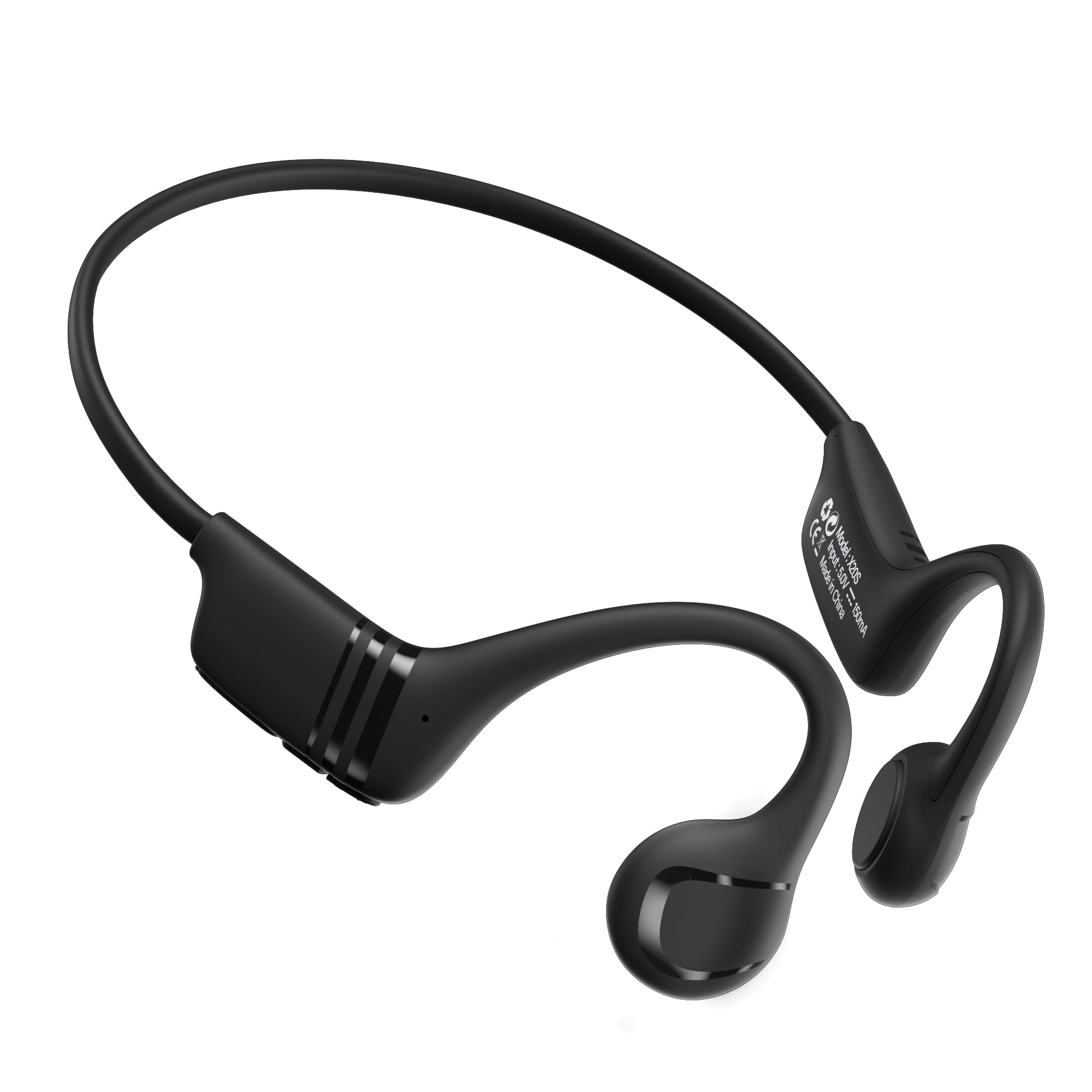
Galopge X19s

Top Pick
Galopge X19s

Ultra-light commuters

Our Score 10.0/10
Check Price

Worth Noting

  • IP55 rating limits protection to sweat and light rain
  • Durability over extended daily use is unverified given its recent market arrival
Weight
22g
Charging
USB-C
Bluetooth
6.0
Battery Life
10 hours
Read the full review

The Galopge X19s delivers on its core promise: an almost weightless 22g frame that disappears during a run, paired with a secure fit that stays put during movement. Battery life reaches 10 hours with USB-C fast charging, matching many more expensive options. However, this is a first-generation product from a new brand, and long-term durability under daily use has not yet been established. For buyers who prioritize minimal weight and entry-level pricing over proven longevity, the X19s is a low-risk tryout rather than a long-term commitment.

Bottom line: Best for runners who want the lightest possible headset and are willing to treat it as a low-cost tryout rather than a long-term investment.
#2

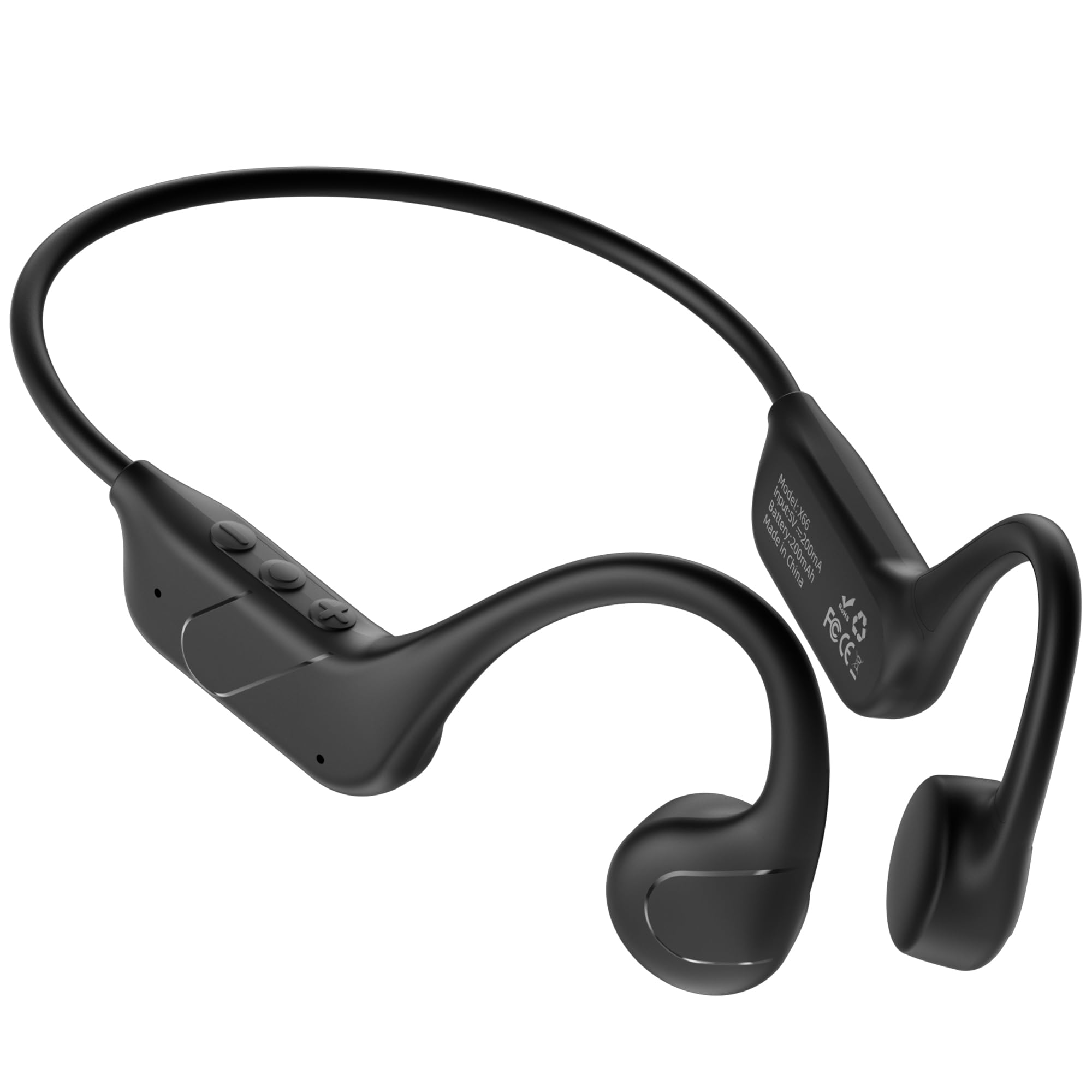
Gavhaio X66

Gavhaio X66

Budget, lightweight

Our Score 9.8/10
Check Price

Worth Noting

  • For those planning to use the headset daily for over a year, the durability is still an unknown factor.
Weight
28g
Charging
USB-C
Bluetooth
6.0
Battery Life
12 hours
Read the full review

The Gavhaio X66 stands out for its lightweight comfort and clear audio with minimal sound leakage. Bluetooth 6.0 provides fast pairing, and the 12-hour battery covers multiple workout sessions. At a budget-friendly price, it delivers what casual listeners need. The tradeoff: this is a new model with a limited track record. While early user reports are positive, the product's ability to hold up over a year of heavy use is unverified. That makes it a sensible choice for lighter daily listening rather than intensive training or all-weather outdoor running.

Bottom line: This headset is a solid pick for budget-conscious buyers who want comfort and decent sound for casual use, but those needing a long-term daily driver should look for models with a longer track record.

#3

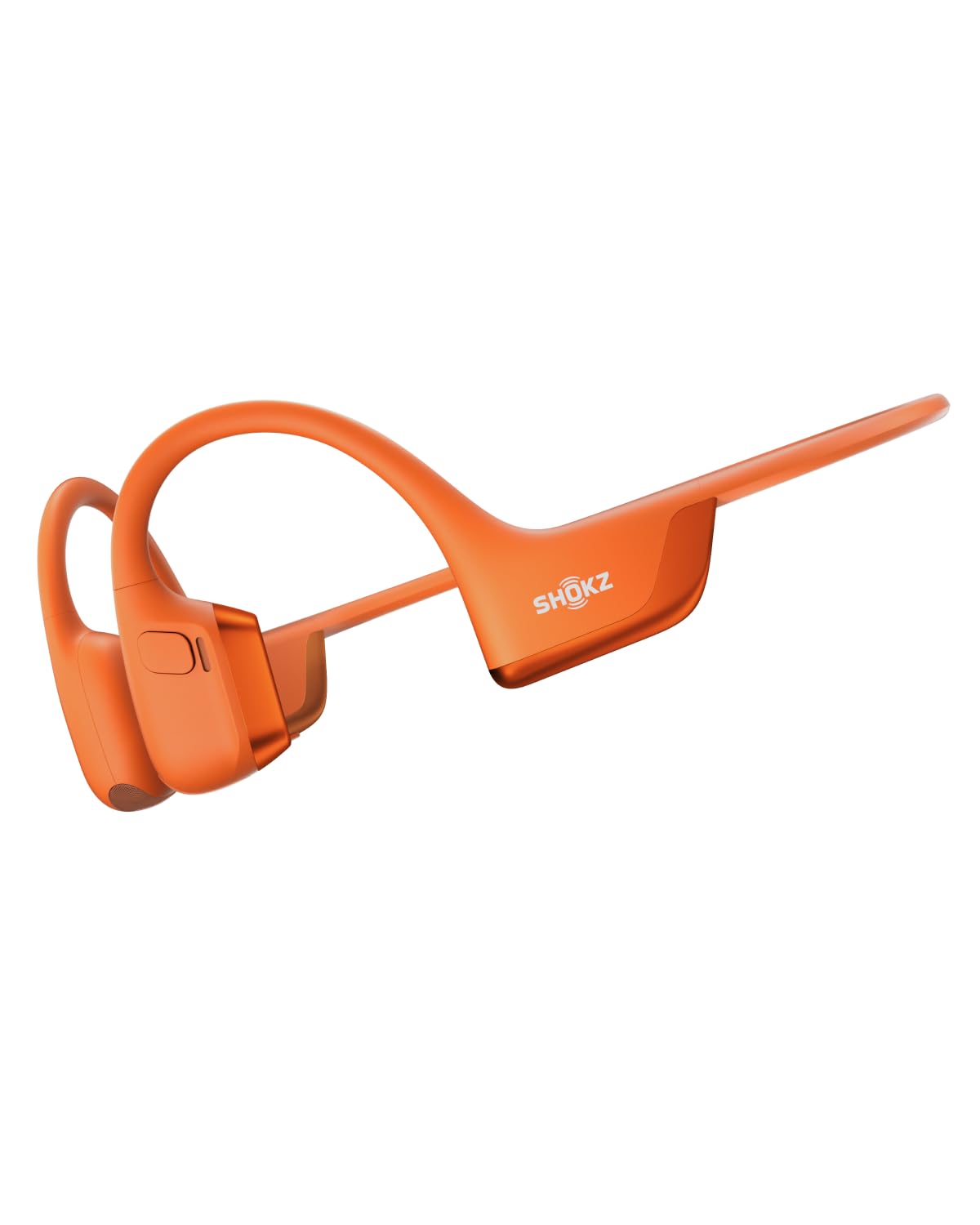
SHOKZ OpenRun Pro 2

SHOKZ OpenRun Pro 2

Serious runners

Our Score 9.0/10
Check Price

Worth Noting

  • In quiet environments, the open-ear soundstage may feel thin for critical music listening.
  • The rubber cover over the USB-C port can loosen with regular handling.
  • Microphone failure has been noted on some units within the first few months of use.
Weight
30.3g
Charging
USB-C
Bluetooth
5.3
Battery Life
12 hours
Read the full review

The OpenRun Pro 2 delivers noticeably richer bass and clearer overall sound than any previous Shokz model, thanks to a dual-driver system that pairs bone conduction with an air conduction driver for low-end weight. USB-C charging replaces the proprietary magnetic cable that frustrated many owners of older Shokz headphones, making this a more convenient daily companion. Battery life stretches to 12 hours, comfortably covering multi-day training blocks without recharging.

Comfort is a strong point: at 30.3g, the headband stays secure during sprints and long runs without pressure points. The IP55 sweat resistance handles heavy workouts but isn't rated for submersion, so pool laps are off the table. Some units have shown microphone failure within a few months of use, and the rubber cover over the USB-C port can come loose over time — neither issue is guaranteed, but they are worth checking for if you plan heavy daily use.

This headphone is built for runners and outdoor athletes who want situational awareness without sacrificing audio quality. If you're upgrading from an older Shokz model, the sound improvement and USB-C convenience make the jump worthwhile. Audiophiles expecting in-ear detail may still find the open-ear presentation limited, and the occasional reliability quirks mean it’s not the set-it-and-forget-it choice for everyone — but for focused training sessions, it hits a sweet spot few competitors reach.

Tip: Check the USB-C port cover periodically; if it feels loose, a dab of adhesive can keep it secure.

Bottom line: For runners who value better audio and USB-C over the lower price and higher water resistance of the original OpenRun, the Pro 2 is the most complete Shokz yet — just keep an ear on the mic and port cover over time.

#4

SHOKZ OpenRun

SHOKZ OpenRun

Runners

Our Score 9.0/10
Check Price

Worth Noting

  • Magnetic charging cable may disconnect if accidentally bumped while charging.
  • Charging or battery issues can develop after several months of use in some units.
  • Band may separate at the joint after a year or two of regular use.
Weight
26g
Charging
Magnetic Induction
Bluetooth
5.1
Battery Life
8 hours
Read the full review

The SHOKZ OpenRun is the most widely adopted open-ear headphone for running, with a 26-gram frame and IP67 rating that handle outdoor workouts without issue. Compared to the newer Pro 2, it drops USB-C and dual-driver bass in favor of a lighter weight and a lower price point, making it the practical choice for runners who value simplicity over premium features.

This headphone suits runners and outdoor enthusiasts who want to stay aware of traffic and surroundings. The open-ear design leaves ears uncovered, and the fit stays secure during sprints or head movements. However, the magnetic charging cable can disconnect if accidentally knocked, and some units have required replacement of the band after a year or two of regular use. For buyers who primarily run on roads or trails and don't need submersible water protection, the OpenRun delivers consistent performance without the extras of the Pro 2.

Comfort is a standout feature: the lightweight titanium frame presses gently against the temples with minimal pressure, even during long runs. Call quality is clear enough for quick conversations, and sound clarity for podcasts and audiobooks is good, though bass response is limited — typical for bone conduction. The 8-hour battery covers most marathon training sessions and daily commutes.

Tip: Keep the headphone flat on a stable surface while charging to avoid accidental disconnection of the magnetic cable.

Bottom line: For runners who can do without USB-C and richer bass, the OpenRun offers the same foundational open-ear experience at a more accessible price, with the magnetic charging cable being the only notable inconvenience.

#5

PSIER X24

PSIER X24

Swimmers

Our Score 8.8/10
Check Price

Worth Noting

  • Bluetooth drops out underwater
  • Frame may feel too large for smaller heads, even with the strap adjustment
Weight
30g (est.)
Charging
Magnetic, USB data
Bluetooth
5.6 class
Battery Life
8 hours
Read the full review

The PSIER X24's IPX8 waterproofing and 32GB onboard storage let swimmers play thousands of songs underwater without Bluetooth. Unlike the lighter PSIER X23 designed for daily runs, this model trades some portability for true submersible playback and offline music access. The magnetic charging port doubles as a USB data transfer point, so loading MP3s is straightforward.

Expect around 8 hours of battery life from a single charge, enough for multiple swim sessions or long runs. The open-ear design keeps you aware of surroundings, though the frame sits wider than many competitors. An included adjustable strap helps secure the fit, but small-headed users may still feel the band is oversized. Bluetooth works fine on land, but underwater it cuts out completely — switching to MP3 mode is the only way to keep music going in the pool.

This headset is for swimmers and triathletes who prioritize offline music over Bluetooth convenience. It also suits runners who want to leave their phone behind and load songs directly. The large fit and lack of underwater Bluetooth are boundary conditions, not flaws: if your head is on the smaller side, the strap is essential, and if you only swim with a phone nearby, this isn't the model for you.

Tip: Use the included adjustable strap to improve fit on smaller heads; load MP3s via the magnetic USB cable before heading to the water.

Bottom line: Swimmers on a budget who want offline music in the pool will find the PSIER X24 a capable alternative to pricier options — just be aware of the fit constraints and Bluetooth's water limit.

#6

PSIER X23

PSIER X23

Budget runners

Our Score 8.6/10
Check Price

Worth Noting

  • Accidental button presses can trigger beeps or change tracks during movement
  • Fit may be too loose for smaller head sizes, leading to discomfort over time
Weight
23g
Charging
USB-C
Bluetooth
6.0
Battery Life
10 hours
Read the full review

At 23 grams, the PSIER X23 is nearly half the weight of many competitors, making it easy to forget you're wearing it during a long run. It packs USB-C charging, Bluetooth 6.0, and a 10-hour battery that consistently lasts through a week of daily sessions - all at a price that undercuts the top pick by a wide margin.

This headset is built for runners and gym-goers who want an open-ear design that doesn't dig into their head or ears. The featherlight frame suits all-day wear, but the fit can feel loose for smaller head sizes - worth checking if you have a narrow cranium. Some units also produce occasional beeps or unintended control changes during movement, a quirk of the button placement that may prove distracting during intense workouts.

Sound quality is solid for the price, with clear mids and adequate volume for outdoor use, though bass is naturally limited by the bone conduction design. The IPX5 rating handles sweat and light rain, but don't take it swimming - for that, PSIER's X24 model with IPX8 is a better fit.

Tip: Adjust the headband to sit slightly higher on the ears - this can reduce contact with the control buttons during motion.

Bottom line: For runners on a budget who prioritize weight and battery over refined controls and a snug fit for smaller heads, the PSIER X23 is a compelling daily driver that punches above its price tag.

#7

Gelecek Bone Conduction

Gelecek Bone Conduction

Casual runners

Our Score 8.6/10
Check Price

Worth Noting

  • No official IP rating means water resistance is not guaranteed
  • Weight and charging method are not specified, leaving unknowns about portability and convenience
Weight
Charging
Bluetooth
6.0
Battery Life
10 hours
Read the full review

Early feedback highlights a comfortable all-day fit, clear sound for the price, and a full 10-hour battery life. The open-ear design works well for commuting and light exercise. However, no official IP rating is provided, so moisture protection is unverified, and key specifications like weight and charging method are omitted. This makes it harder to assess build quality and durability for more demanding use. Best suited for casual runners and commuters on a tight budget who don't require guaranteed water resistance.

Bottom line: A worthy pick if comfort and battery life matter most and you can accept unverified water resistance — ideal for light, casual use.

#8

CXK X14

CXK X14

Budget buyers

Our Score 8.0/10
Check Price

Worth Noting

  • Wind noise can trigger accidental track changes in breezy conditions
  • Fit varies between head shapes
  • Some units may develop left-side audio dropout after months of use
Weight
28g
Charging
USB-C
Bluetooth
6.0
Battery Life
10 hours
Read the full review

The CXK X14 delivers a level of sound quality that far exceeds its budget price point, with clear mids and enough volume for outdoor runs. The open-ear design keeps you aware of surroundings, and the lightweight 28g frame makes it easy to forget you're wearing it.

Bluetooth pairing is quick and stays solid even with your phone in a pocket. Battery life hits the claimed 10 hours in mixed use, and the USB-C charging is a welcome convenience at this price. The IPX6 rating handles sweat and light rain without issue.

This headset suits budget-conscious runners and first-time bone conduction users who want to test the technology without a large investment. It's less appropriate for swimmers (IPX6 isn't submersible) or anyone who expects guaranteed fit and long-term reliability — those buyers should look at the Shokz OpenRun line.

Tip: Adjust the headband position to find a secure fit — it can make the difference between loose and comfortable.

Bottom line: If you're on a tight budget and want to test bone conduction, the CXK X14 offers solid basics. Just be prepared to check the fit and return the unit if any issues appear early on.

How to Choose

Battery Life

Advertised battery life is measured at moderate volume and room temperature. Real-world use with music at higher levels or in cold weather can cut runtime by 20-30%. A 10-hour rating often means closer to 7-8 hours during a run.

Longer battery usually means a heavier headset. Runners doing marathon-distance training need at least 8 hours of actual use, while daily joggers can get by with 6-7 hours. If you forget to charge often, look for quick-charge models that deliver an hour of play from a 10-minute USB-C top-up.

Water Resistance

IP ratings are easy to misinterpret. IPX5 handles sweat and light rain, IPX6 resists heavy splashes, IPX7 can be submerged briefly, and IPX8 allows swimming at depth. Many models labeled 'waterproof' lack an IP number and may only survive a drizzle.

If you plan to swim, you need IPX8 with MP3 storage because Bluetooth signals cannot penetrate water. For running in rain, IPX5 or IPX6 is sufficient. Ignoring this distinction leads to dead headphones after one wet workout.

Weight

Weight directly affects comfort over long periods. Models under 25g feel nearly unnoticeable during runs, while those above 30g may cause pressure on the temples after an hour. The lightest options sacrifice battery capacity or build materials.

For all-day wear or daily commuting, aim for 23-28g. For occasional use, 30g is fine. A model that is too heavy for your head shape might slip or create sore spots, so try to find one with an adjustable band.

Bluetooth Version

Bluetooth 5.1 and above provide stable connections up to 30 feet and low latency. Version 5.3 adds better power management, and 6.0 improves pairing speed but offers little real-world advantage for audio streaming. Older versions (5.0) may drop signal when the phone is in a back pocket.

As long as the headset uses 5.1 or newer, connectivity is unlikely to be an issue. The version number matters far less than the antenna design and codec support. Focus on battery and fit instead.

Charging Method

Proprietary magnetic charging cables are convenient to snap on but can disconnect easily if bumped. Over time, the pins can corrode or the magnet weaken, leading to intermittent charging. USB-C ports are more durable and universally compatible.

If you often charge on the go or share cables, USB-C is the better choice. A few Shokz models still use magnetic induction, which is fine for dedicated users but a common pain point reported in thousands of reviews. The shift to USB-C in newer models is a meaningful upgrade.

Frequently Asked Questions