Shoes & Apparel

15 Best Weightlifting Shoes of 2026: Match Your Lifting Style and Foot Type

Find weightlifting shoes that actually fit your foot shape and training demands, whether you need a raised heel or a flat deadlift platform.

Many popular weightlifting shoes look great on paper but hide a frustrating reality: sizing is all over the place, and durability often falls short within months. Sole separation, strap failures, and inconsistent fit are far more common than you'd expect from highly-rated models.

This guide cuts through that confusion by focusing on what actually determines performance for your training – your foot shape, your preferred lifts, and how often you train. A flat shoe for deadlifts, a raised heel for squats, or a versatile cross-trainer each have real trade-offs that only become obvious after weeks of use.

We've identified the key specs that separate a shoe that works from one that collects dust, so you can pick the right tool for your routine.

#1

UA TriBase Reign 6

Top Pick
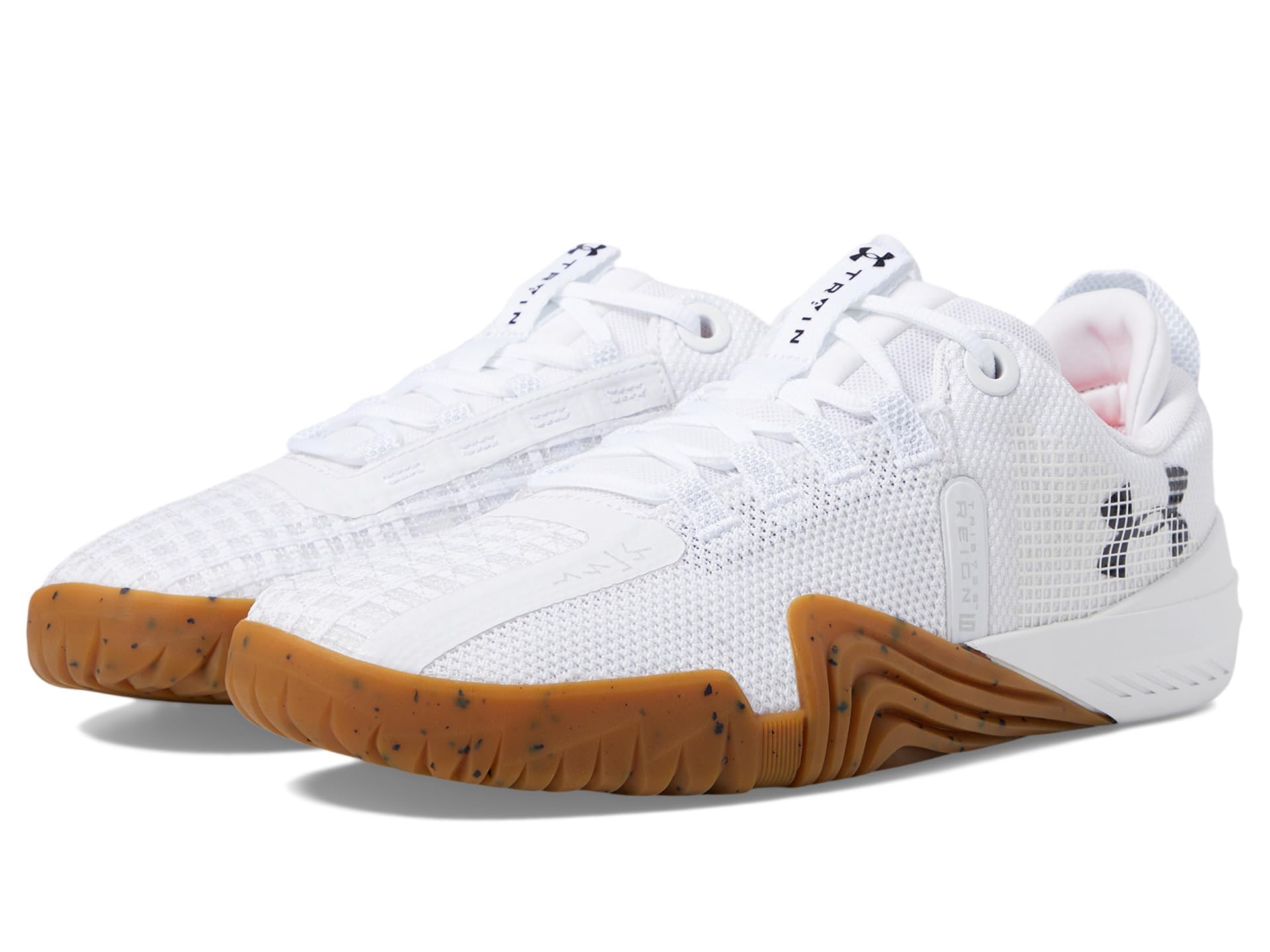
UA TriBase Reign 6

Versatile training

Our Score 9.4/10
Check Price

Worth Noting

  • Toe box height may be insufficient for users with tall or splayed toes
  • Occasional sole or stitching issues have been noted under intensive training
Weight
2.4 lb
Heel Height
Flat
Strap System
Lace
Toe Box Width
Wide
Read the full review

For a shoe that bridges heavy compound lifts and high-intensity circuits, the TriBase Reign 6 delivers a notably stable platform. The low-to-ground feel and firm cushioning provide a solid base for squats and deadlifts, while the wide toe box offers room for natural foot splay. Build quality holds up well under frequent use — stitching and sole remain intact through rigorous sessions.

This trainer suits lifters who want one shoe for both leg days and CrossFit-style metcons. The toe box suits average-width feet best; those with very wide or tall toes should consider sizing up half a size for adequate room. The zero-drop feel works for flat-footed users, but the slight cushioning makes it less ideal for dedicated Olympic lifting where a raised heel benefits depth.

Tip: If you have wide or tall toes, order half a size up for a comfortable fit.

Bottom line: For most lifters who train across squats, deadlifts, and dynamic movements, the Reign 6 strikes the right balance of stability and comfort — a practical do-it-all gym shoe without the durability headaches of some alternatives.
#2

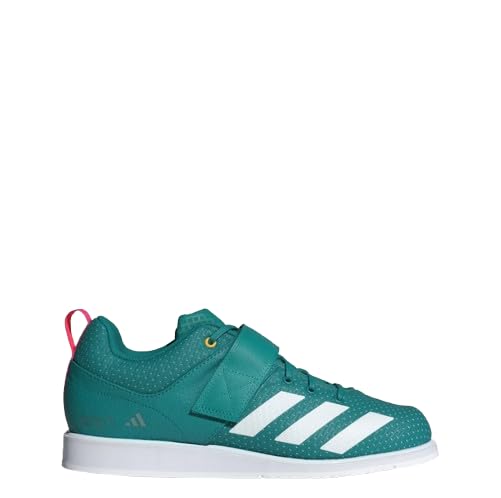
Adidas Powerlift 5

Adidas Powerlift 5

Heavy squats & Olympic

Our Score 9.4/10
Check Price

Worth Noting

  • Narrow toe box may be tight for lifters with wider feet.
  • Bulky, orthopedic-looking design lacks style appeal.
Weight
1 lb
Heel Height
0.8" raised
Strap System
Lace
Toe Box Width
Narrow
Read the full review

The Powerlift 5 delivers the rigid heel and elevated platform that squat-focused lifters need. Unlike entry-level raised-heel options, the construction is sturdier and the heel stays stable under heavy loads. However, the fit is narrow — those with wider feet will find the toe box tight — and the overall design is noticeably bulky.

Tip: If you have wide feet, consider sizing up or looking for a model with a roomier toe box.

Bottom line: A stable, dedicated squat shoe for narrow-footed lifters who want a proven raised heel without the premium price tag.

#3

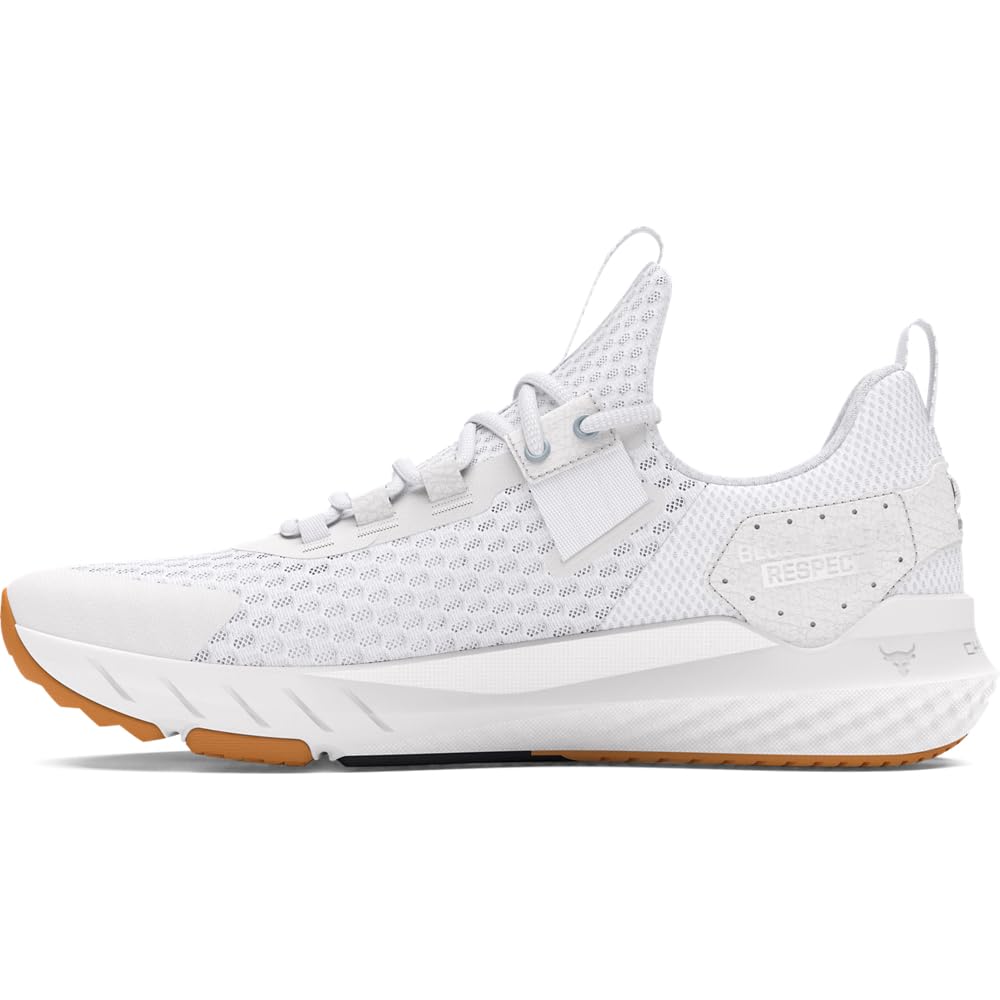
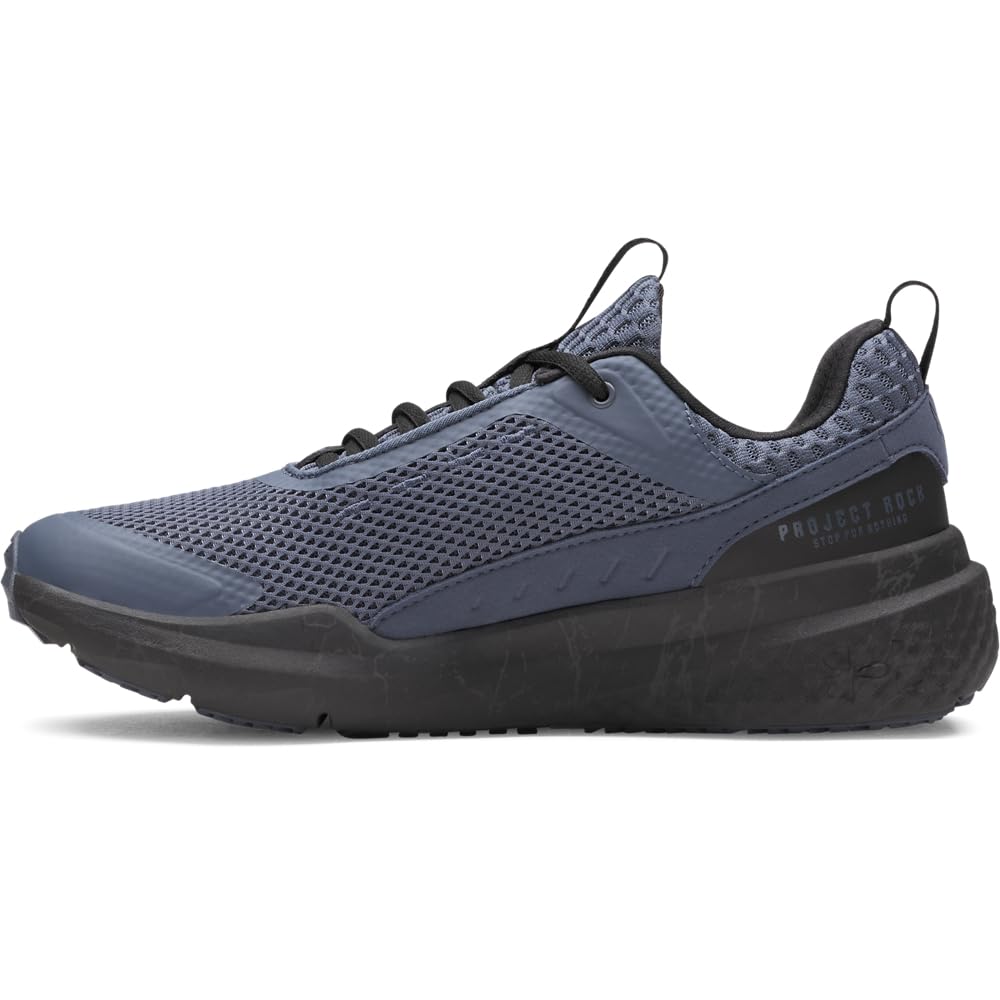
UA Project Rock 5

UA Project Rock 5

Light gym & casual

Our Score 9.4/10
Check Price

Worth Noting

  • Arch support is minimal
Weight
2.09 lb
Heel Height
Flat
Strap System
Lace
Toe Box Width
Average
Read the full review

The Under Armour Project Rock 5 delivers plush cushioning and a breathable build that works well for light gym sessions, cardio, and casual wear. Its cushioned sole compresses under load, making it unsuitable for heavy squats or deadlifts — better left for lifters who prioritize comfort over stability.

Bottom line: This shoe suits gym-goers who mix light weights, cardio, and walking, but not those seeking a stable platform for heavy compound lifts.

#4

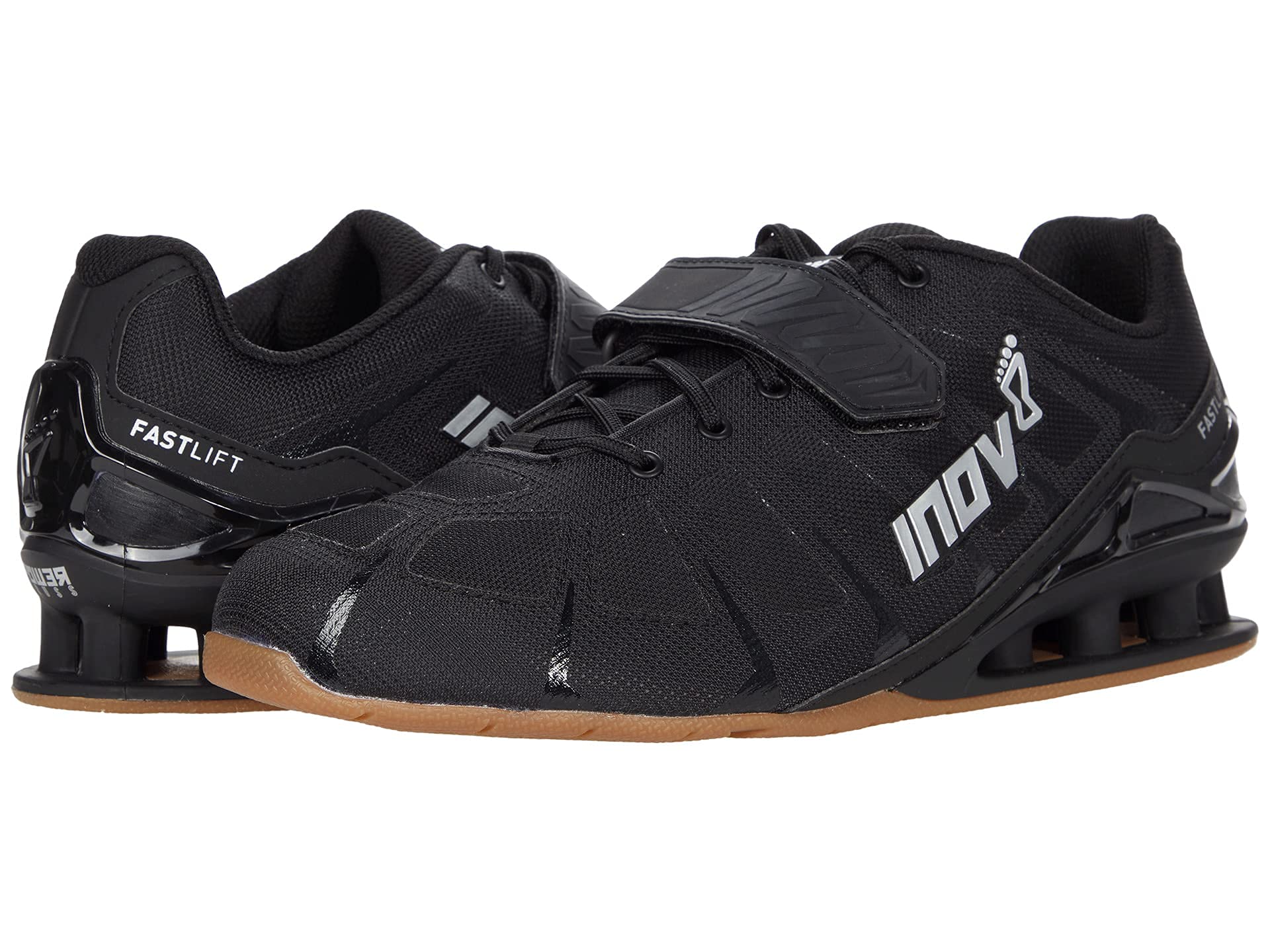
Inov-8 Fastlift 360

Inov-8 Fastlift 360

Wide feet lifts

Our Score 9.2/10
Check Price

Worth Noting

  • Sizing can be tight
  • Heavier feel compared to slimmer lifting shoes, though this adds stability.
Weight
Heel Height
0.6" raised
Strap System
Lace+velcro
Toe Box Width
Wide
Read the full review

The Fastlift 360 differentiates itself from narrower lifters by offering a genuinely roomy toe box for wide feet without softening the rigid, non-compressible platform needed for heavy squats and Olympic lifts. The elevated heel (0.6 inches) aids upright posture, and the build feels durable. But the sizing runs small – ordering half a size up is essential – and the premium price reflects its specialized design, making it a better fit for serious lifters than casual gym-goers.

Tip: Order half a size up to accommodate the snug length; the toe box is wide, but the overall fit runs short.

Bottom line: If you have wide feet and value platform rigidity over weight, the Fastlift 360 justifies its premium – just remember to size up.

#5

Reebok Lifter PR II

Reebok Lifter PR II

Entry-level squats

Our Score 9.2/10
Check Price

Worth Noting

  • Sizing runs slightly large; half size down may be needed for a snug fit.
Weight
Heel Height
0.5" raised
Strap System
Lace
Toe Box Width
Average
Read the full review

This raised-heel shoe offers solid stability for squats and Olympic lifts, making it a smart pick for lifters who need a heel lift on a budget. The sole is extremely rigid, so it’s not suitable for walking or dynamic warm-ups — use it strictly for the platform. Sizing runs slightly large; some may prefer half a size down for a secure fit.

Tip: Keep a separate pair for warm-ups and cardio — the stiff sole is not designed for walking.

Bottom line: If you need a dedicated squat shoe and can accept a single-purpose tool, this is a cost-effective entry point.

#6

UA Women's Project Rock 4

UA Women's Project Rock 4

Women's training

Our Score 9.2/10
Check Price

Worth Noting

  • Toe box may feel snug for wider feet, especially during heavy lifts that require a stable base.
  • Arch support is moderate; lifters with high arches may need to add orthotics for adequate support.
Weight
Heel Height
Flat
Strap System
Lace
Toe Box Width
Average
Read the full review

The UA Women's Project Rock 4 stands apart from the Reign 6 by prioritizing everyday comfort and style over heavy-duty lifting stability. Its cushioned midsole and roomy toe box make it a solid choice for mixed gym sessions and casual wear, though the moderate arch support and narrower toe box may not satisfy lifters who need a locked-in platform for maximal loads.

Tip: If you have narrow or medium feet, the fit is true to size; those with wider feet should consider sizing up.

Bottom line: A capable cross-trainer for women who value comfort and style alongside moderate lifting support, but not the best pick if you need a dedicated squat shoe or have wide feet.

#7

Nike Metcon 8

Nike Metcon 8

CrossFit workouts

Our Score 9.2/10
Check Price

Worth Noting

  • Heel cup stiffness may cause ankle soreness during initial wears.
  • Sole separation has been noted in some units after months of use.
Weight
3 lb
Heel Height
Flat
Strap System
Lace+velcro
Toe Box Width
Average
Read the full review

The Metcon 8 is the CrossFit benchmark, backed by a massive user base and known for handling a wide range of gym movements. Its plastic heel cup can cause ankle stiffness initially, and a minority of users have reported sole separation over time. The shoe offers a stable base for barbell work and enough cushioning for short runs, making it a versatile option for CrossFit athletes who need a single pair for training. Those with very wide feet or seeking a dedicated raised-heel lifter should consider alternatives.

Tip: Wear these around the house for a few days to soften the heel cup before heavy lifting sessions.

Bottom line: Best for CrossFit athletes who want a single do-it-all gym shoe and are willing to work through a brief break-in period. Not for dedicated weightlifters or those with very wide feet.

#8

Otomix Stingray

Otomix Stingray

Bodybuilding classic

Our Score 9.2/10
Check Price

Worth Noting

  • Stitching and sole failures can appear within months of use
Weight
1.5 lb
Heel Height
Flat
Strap System
Lace
Toe Box Width
Average
Read the full review

The Otomix Stingray offers a lightweight, flat sole with nostalgic style and solid arch support for squats and deadlifts. Stitching and sole separation can occur within months, making it a better choice for lifters who rotate shoes rather than rely on a single pair for daily training.

Bottom line: Best suited as a rotation shoe for occasional heavy lifting rather than daily training.

#9

Nordic VENJA

Nordic VENJA

Heeled moderate use

Our Score 9.2/10
Check Price

Worth Noting

  • Straps or sole may show premature wear under frequent heavy training
Weight
3.28 lb
Heel Height
0.6" raised
Strap System
Lace+velcro
Toe Box Width
Average
Read the full review

The Nordic VENJA provides a stable platform and grippy sole that feels planted during squats and Olympic lifts, with comfortable fit for moderate training sessions. However, durability concerns with straps and sole can surface after weeks of use, making it a better fit for lifters who don't train heavy daily rather than a clear upgrade over the similar Nordic MEGIN.

Bottom line: For lifters who train moderately and prioritize grip and stability over long-term durability, the VENJA delivers solid performance at a mid-range price.

#10

UA Project Rock Red One

UA Project Rock Red One

Wide feet cross-train

Our Score 9.2/10
Check Price

Worth Noting

  • Very wide fit may be too loose for narrow feet
Weight
Heel Height
Flat
Strap System
Lace
Toe Box Width
Wide
Read the full review

This cross-trainer delivers a roomy fit and plush cushioning that suits lifters with wider feet. The build quality and comfort align with the Project Rock line, and the raised heel aids squat depth. However, the wide fit and limited arch support make it a poor match for narrow-footed lifters or those needing maximum stability for heavy squats — it works best as a casual lifting shoe for wide-footed users.

Bottom line: Best for lifters with wide feet who want a comfortable, budget-friendly cross-trainer for moderate lifting sessions.

#11

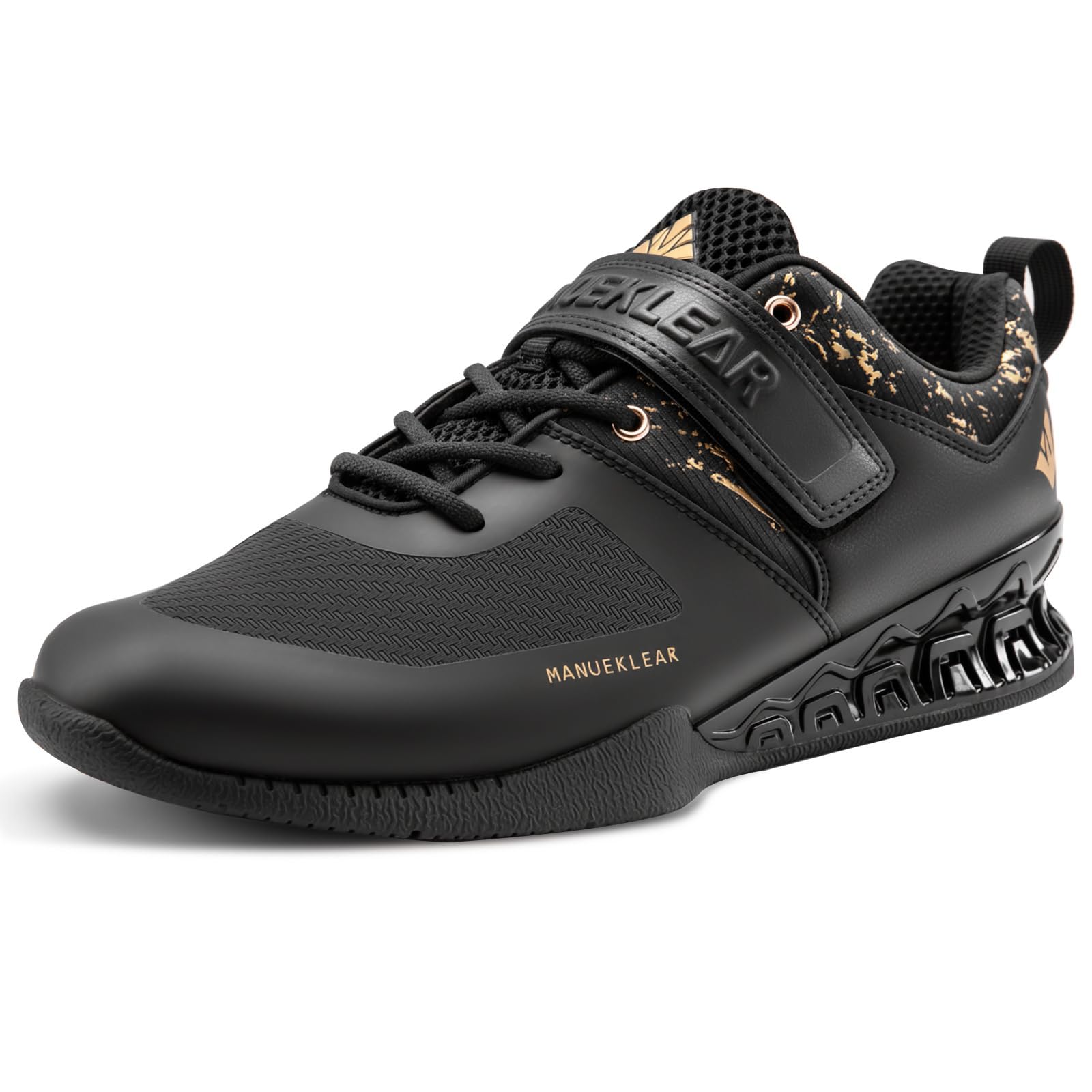
MANUEKLEAR Deadlift

MANUEKLEAR Deadlift

Deadlifts & budget

Our Score 9.0/10
Check Price

Worth Noting

  • Sizing is inconsistent
  • Upper material is very soft, limiting lateral support for dynamic movements
Weight
1.2 lb
Heel Height
Flat
Strap System
Velcro
Toe Box Width
Average
Read the full review

This flat-soled shoe stands apart from raised-heel lifters by prioritizing maximum ground contact and natural foot movement. It suits budget-conscious deadlifters and barefoot enthusiasts who want a direct connection to the floor, but sizing inconsistencies and minimal lateral support limit it to straight-line lifts like deadlifts and squats.

Tip: Measure your feet and compare to the brand's size chart before ordering, as the fit can be off by a half size.

Bottom line: The best value deadlift shoe for lifters who want barefoot feel and grip without breaking the bank — just be prepared to check the size chart carefully.

#12

Otomix Carbonite

Otomix Carbonite

High-top ankle support

Our Score 9.0/10
Check Price

Worth Noting

  • Premium pricing with limited use-case outside heavy squats
Weight
Heel Height
Flat
Strap System
Lace
Toe Box Width
Average
Read the full review

The Otomix Carbonite delivers high-top ankle support and premium leather construction for heavy squat sessions. At a luxury price, it's a niche investment best suited for lifters who need that extra stability. Some units may show cosmetic wear, so check upon arrival.

Bottom line: Only consider this if high-top ankle support is a non-negotiable for your squat training and you can accept premium pricing plus possible cosmetic inconsistencies.

#13

Nordic MEGIN

Nordic MEGIN

Entry-level heeled

Our Score 9.0/10
Check Price

Worth Noting

  • Insoles may slide out during workouts, leading to discomfort
Weight
~3.5 lb
Heel Height
0.75" raised
Strap System
Lace+velcro
Toe Box Width
Narrow
Read the full review

The Nordic MEGIN provides a stable lifted heel that helps squat depth and form, with a solid base for heavy lifts. Durability concerns such as sole separation have been noted, and insoles can slide out during use. The toe box is narrow enough that sizing up is often needed. This makes it a better fit for lifters who train two to three times per week rather than daily.

Bottom line: Best for lifters with a moderate training frequency who want an affordable entry into heeled shoes and are willing to size up for fit.

#14

MANUEKLEAR Weight

MANUEKLEAR Weight

Budget heeled squat

Our Score 8.8/10
Check Price

Worth Noting

  • Narrow fit may require sizing up for adequate toe room
Weight
Heel Height
0.6" raised
Strap System
Lace+velcro
Toe Box Width
Narrow
Read the full review

This budget squat shoe provides a rigid raised heel and excellent traction for stable lifts. The narrow fit may require sizing up, and strap durability has been inconsistent. Best for narrow-footed lifters on a budget, though the Adidas Powerlift 5 is a more consistent alternative at a similar price.

Bottom line: Best for narrow-footed lifters who want a budget raised-heel shoe and are willing to accept fit and strap durability trade-offs.

#15

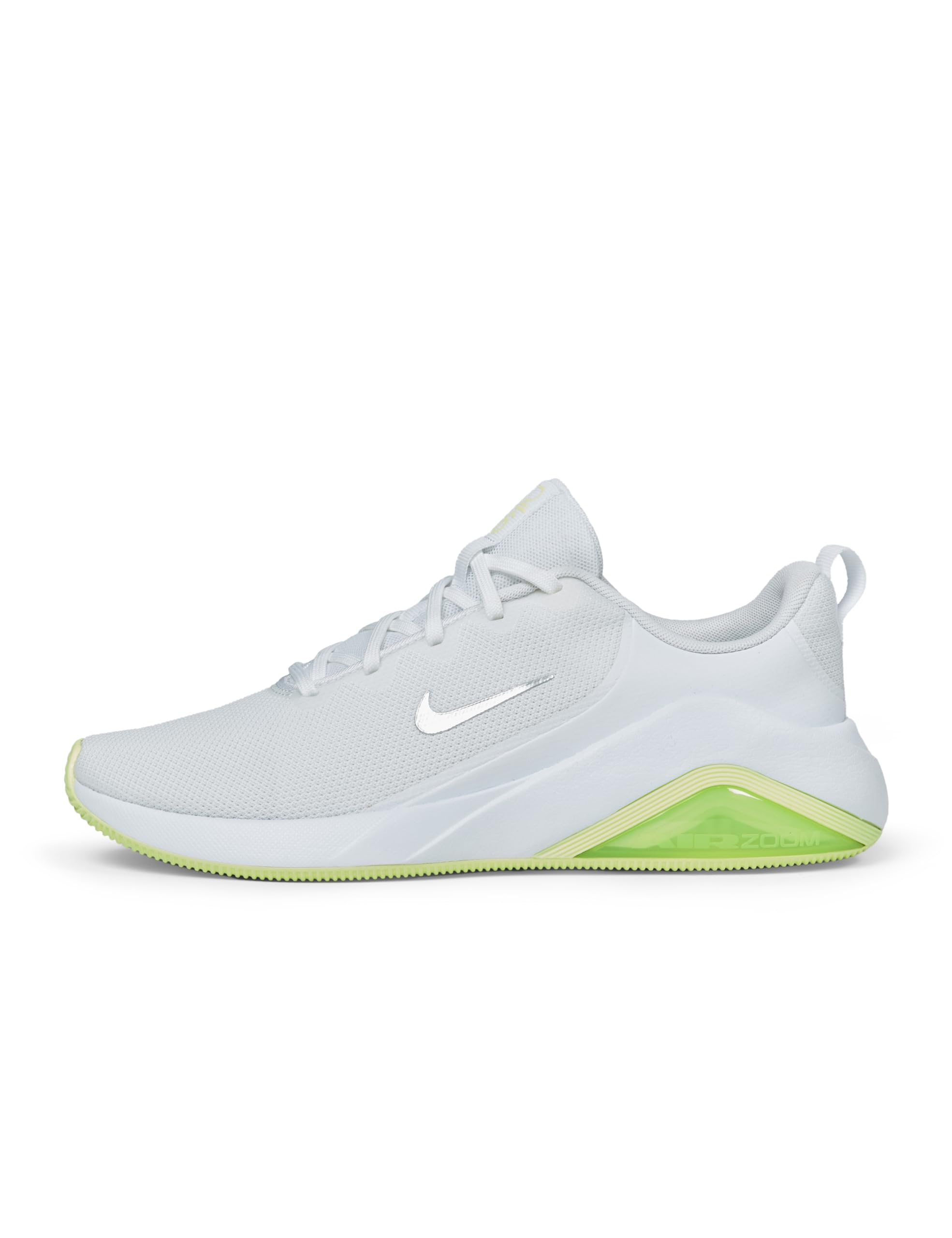
Nike Bella 7

Nike Bella 7

Women's narrow feet

Our Score 8.8/10
Check Price

Worth Noting

  • Narrow toe box and small sizing may require ordering half to full size up for a comfortable fit.
Weight
Heel Height
Flat
Strap System
Lace
Toe Box Width
Narrow
Read the full review

The Nike Bella 7 offers a sleek look and solid build quality at a mid-range price point. However, its narrow toe box and stiff sole make it less suited for heavy squats or deadlifts – sizing up is necessary to accommodate wider feet. These limitations keep it from competing with dedicated lifting shoes like the UA Project Rock.

Bottom line: Good for light gym sessions where style matters more than performance, provided you can find the right size.

How to Choose

Heel Height: Flat vs. Raised

This single spec determines your squat mechanics. A raised heel (0.5 to 0.8 inches) tilts the tibia forward, letting you reach depth with less ankle mobility – critical for Olympic lifting and front squats. The trade-off: you lose ground feel for deadlifts, and the elevated position can feel unstable on uneven surfaces.

A flat sole keeps you closer to the platform, ideal for deadlifting and powerlifting where force transfer is king. But if your ankles are tight, a flat shoe forces your heels to lift during squats, compromising your base.

Sole Stiffness and Non-Compressibility

A rigid, non-compressible sole prevents energy loss from the barbell to the floor. Cushioned soles feel more comfortable for walking but soften under heavy loads – you'll feel the shoe collapse under 400+ pounds. That's why dedicated lifting shoes use hard rubber or wood, not EVA foam.

If you do mixed training (lifting plus box jumps), a slightly softer sole might be acceptable, but expect to replace it sooner if you squat heavy more than three times a week.

Toe Box Width and Fit Consistency

Narrow toe boxes crowd the toes, reducing stability during squats and limiting your ability to spread weight across the foot. A wide toe box allows natural splay and better balance – especially important for lifters with flat arches or wider feet. The catch: sizing varies wildly between brands, even within the same model.

Always check recent reviews for fit notes and consider ordering half a size up if you're between sizes. The best shoe on paper is useless if it pinches your little toe on the first rep.

Strap System: Velcro vs. Lace-Lock

Velcro straps provide a secure midfoot lock that prevents heel slip during heavy lifts. Lace-only shoes depend on proper lacing technique, which can loosen under load. A combined lace-and-velcro system offers the best of both – adjust for volume then lock in the heel.

The downside: Velcro wears out over time and can lose grip after months of heavy use, especially on budget models. If you plan to lift five days a week, a simple lace-up with a heel lock loop may prove more durable in the long run.

Weight and Breathability

Heavier shoes (3+ pounds) add stability but can feel clunky during dynamic movements like box jumps or lunges. Lighter shoes (under 2 pounds) feel nimble but may have thinner materials that wear faster. Breathability matters if your gym runs hot – mesh uppers dry out faster but offer less lateral support than leather.

For most lifters, a mid-weight shoe around 2 pounds offers a good balance. If you primarily squat and deadlift, weight is less important than sole rigidity.

Frequently Asked Questions