Shoes & Apparel

8 Best Long Distance Running Shoes of 2026: Match Cushioning to Your Gait and Mileage

Find a long-distance running shoe that delivers real durability, proper fit, and the right support for your gait – not just marketing claims.

Many runners discover too late that a shoe's 'cloud-like' cushioning fades after a few hundred miles – or that a bargain pair starts splitting at the seams just weeks into marathon training. Durability and fit are the two silent killers of long-distance shoes, regardless of price tag.

The real trade-off isn't between brands but between priorities: a plush max-cushion ride often comes with a shorter lifespan, while a more responsive shoe may sacrifice some softness. The key is matching the shoe's construction to your mileage, foot shape, and gait.

This guide cuts through the marketing to highlight shoes that actually hold up to weekly 20+ mile runs, with cushioning that stays consistent and fits that accommodate foot swelling. Whether you overpronate or run neutral, the right pair is one that works for your specific long-distance routine, not just the one with the highest review count.

#1

Brooks Ghost 17

Top Pick
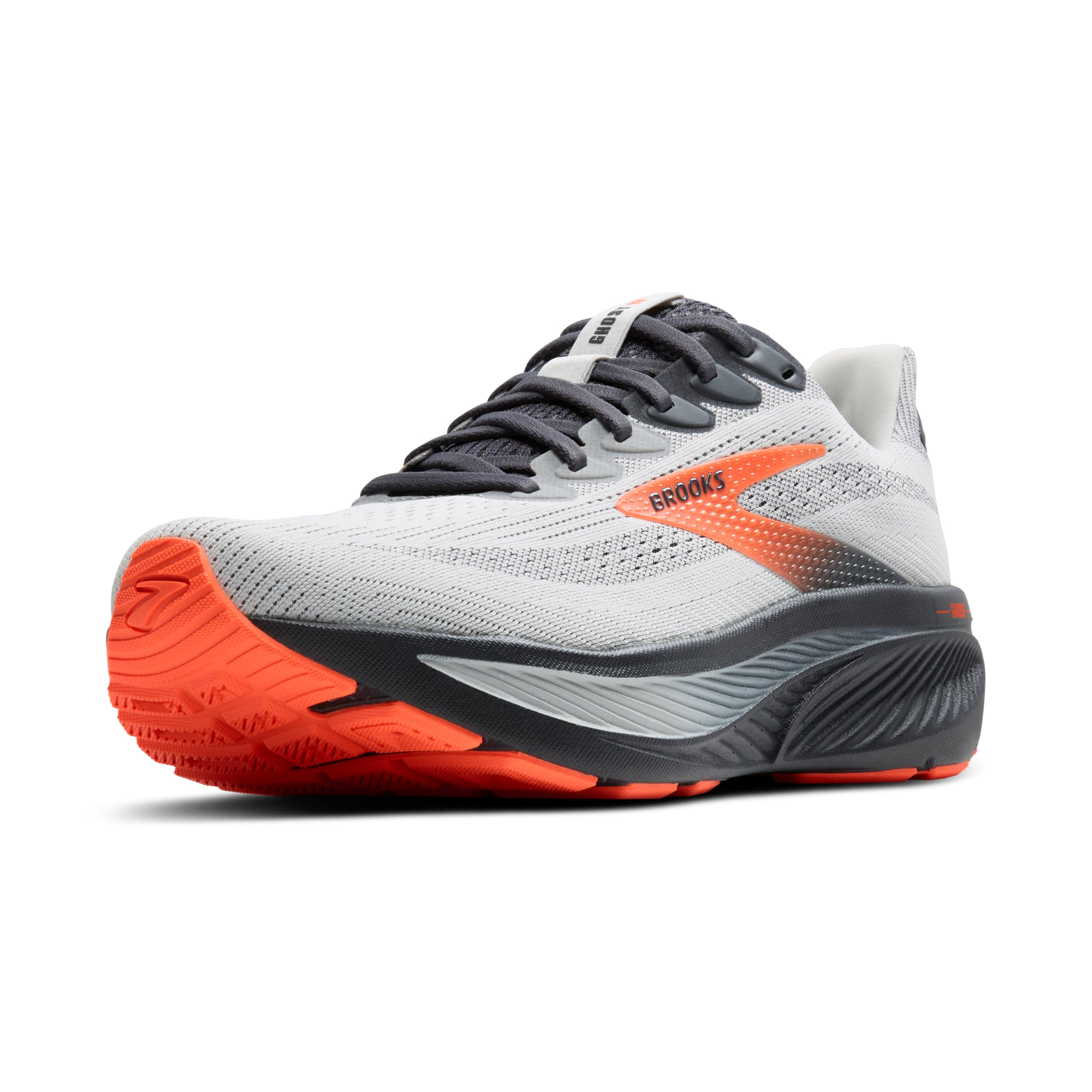
Brooks Ghost 17

Marathon training

Our Score 9.2/10
Check Price

Worth Noting

  • Outsole may wear faster on heavy asphalt use
Weight
1.5 lbs
Read the full review

The Ghost 17's DNA Loft v3 midsole delivers a balanced ride — soft enough for long efforts without sacrificing responsiveness. Ample arch support keeps the foot stable mile after mile, making it a go-to for high-volume training blocks.

This shoe fits neutral runners logging 30+ miles per week on roads, especially those targeting half or full marathons. Runners with narrow feet may find the toe box roomy, and the outsole can wear faster on heavy asphalt use — rotating with another pair is a practical workaround for daily pavement runners.

Tip: If you run on asphalt daily, consider rotating the Ghost 17 with a second pair to manage outsole wear.

Bottom line: For neutral runners logging high weekly mileage on roads, the Ghost 17 delivers consistent comfort and support — just keep an eye on outsole wear if you hit asphalt daily.
#2

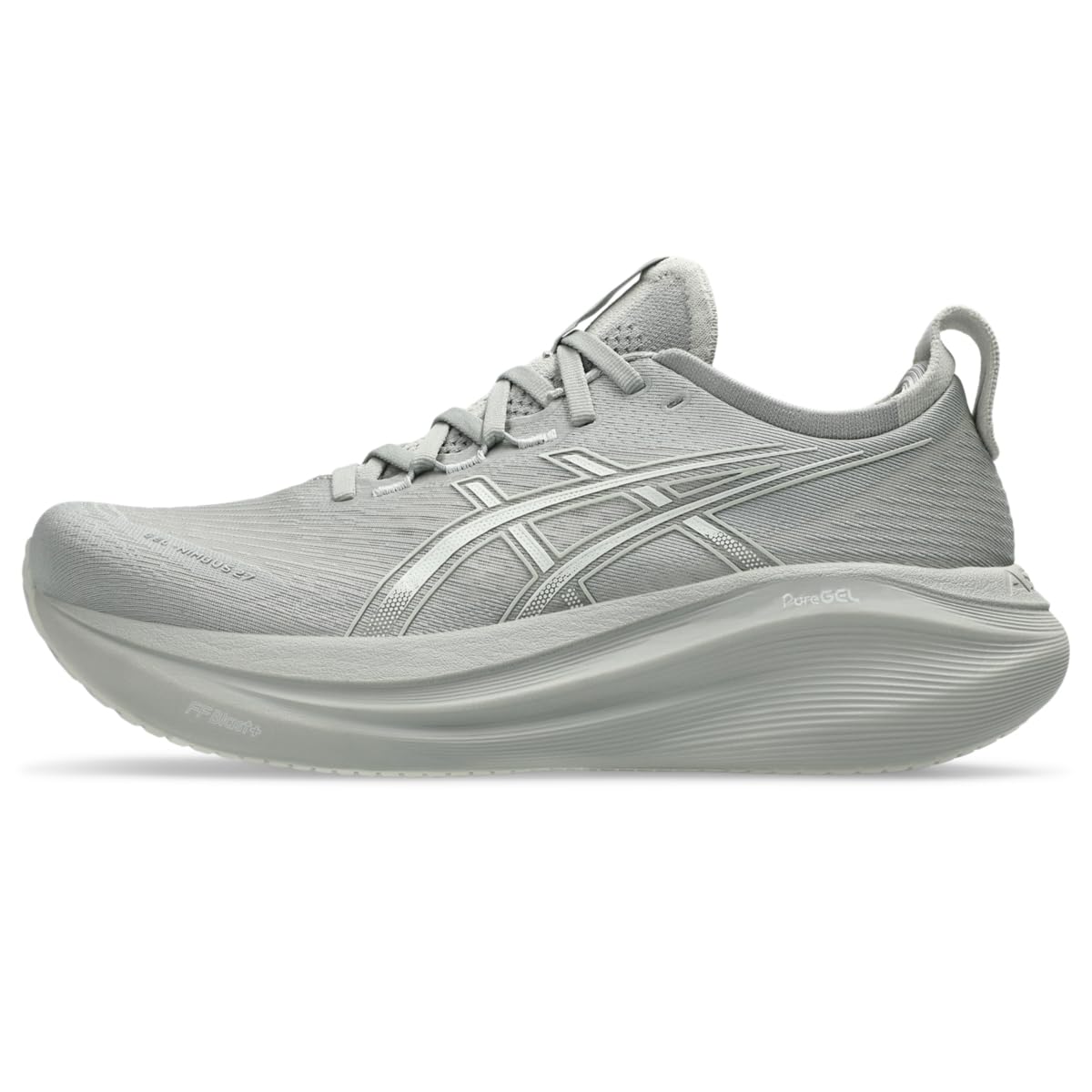
ASICS Gel-Nimbus 27

ASICS Gel-Nimbus 27

Max cushion ultra

Our Score 9.2/10
Check Price

Worth Noting

  • Mesh upper can tear over time, reducing overall shoe lifespan for heavy training
Weight
1.44 lbs
Read the full review

The Gel-Nimbus 27 delivers exceptionally plush cushioning and a generous toe box that wide-footed runners will appreciate on long runs. Its max-cushion design softens every landing, making it ideal for marathon and ultra distances, though the lack of ground feedback means it’s not for those who prefer a firm ride. The mesh upper can develop tears over time, a tradeoff that matters most for runners logging high weekly mileage on abrasive surfaces.

Tip: Applying a water-resistant spray to the upper may help reduce wear from moisture and debris.

Bottom line: The Gel-Nimbus 27 is a focused tool for runners who want maximum cushion and toe room on ultra-distance road runs, but the upper durability is a compromise that heavier or more abrasive users should factor in.

#3

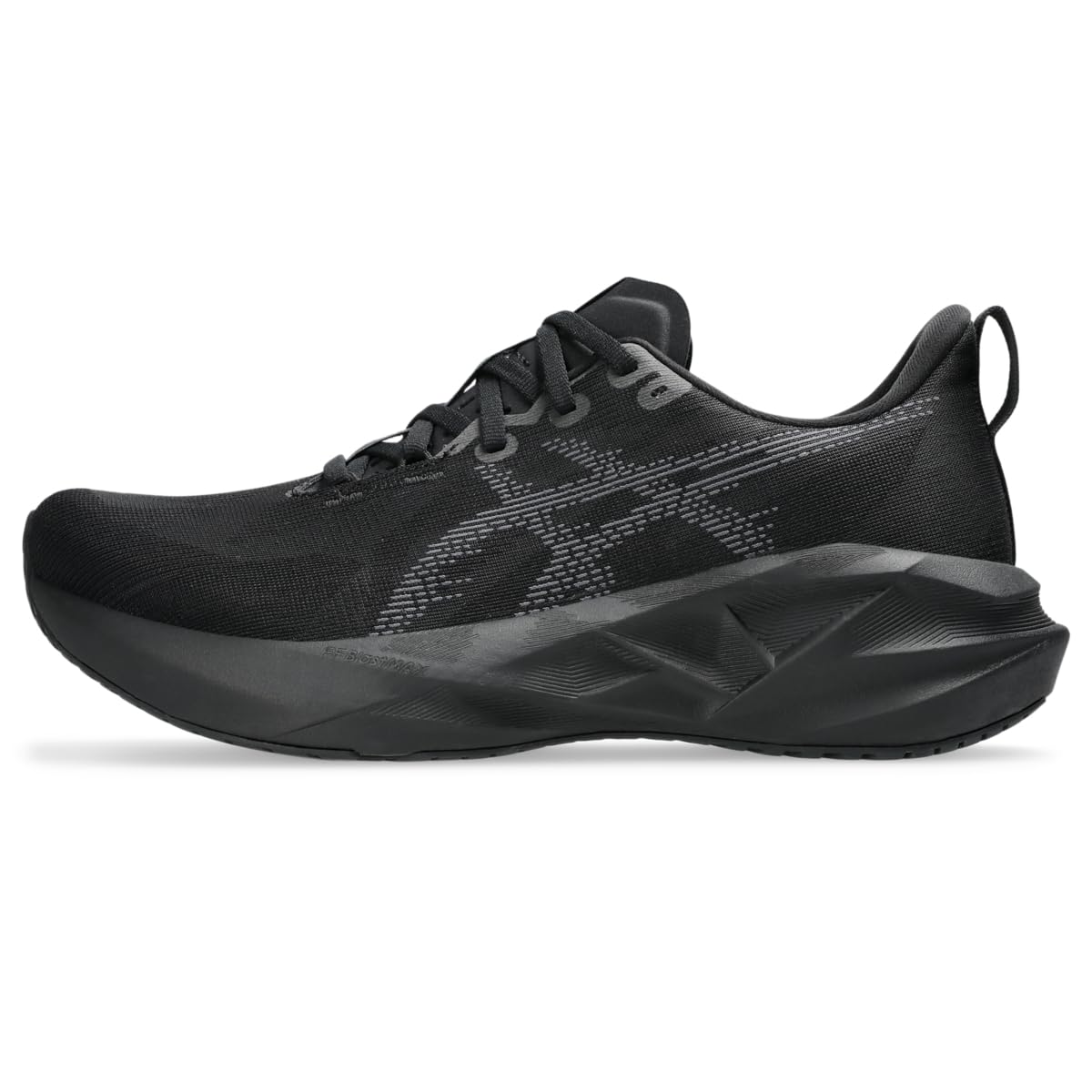
ASICS Novablast 5

ASICS Novablast 5

Bouncy long runs

Our Score 9.2/10
Check Price

Worth Noting

  • Outsole rubber may separate after months of use, limiting longevity in high-mileage scenarios
Weight
1.44 lbs
Read the full review

The Novablast 5 delivers a noticeably bouncier feel than the balanced daily trainer in this lineup, thanks to its lively FF Blast+ midsole that provides a springy ride on tempo runs and steady long distances. The outsole rubber can separate after moderate use, so heavy-mileage runners on rough asphalt should be mindful. It suits neutral runners who prioritize energy return and a lighter feel over maximum plushness or extreme durability.

Tip: Check the outsole regularly for early signs of detachment, especially if you run on abrasive asphalt.

Bottom line: Best for neutral runners who want a responsive, lightweight trainer for tempo days and long runs, but not a durable workhorse for high-mileage training on rough surfaces.

#4

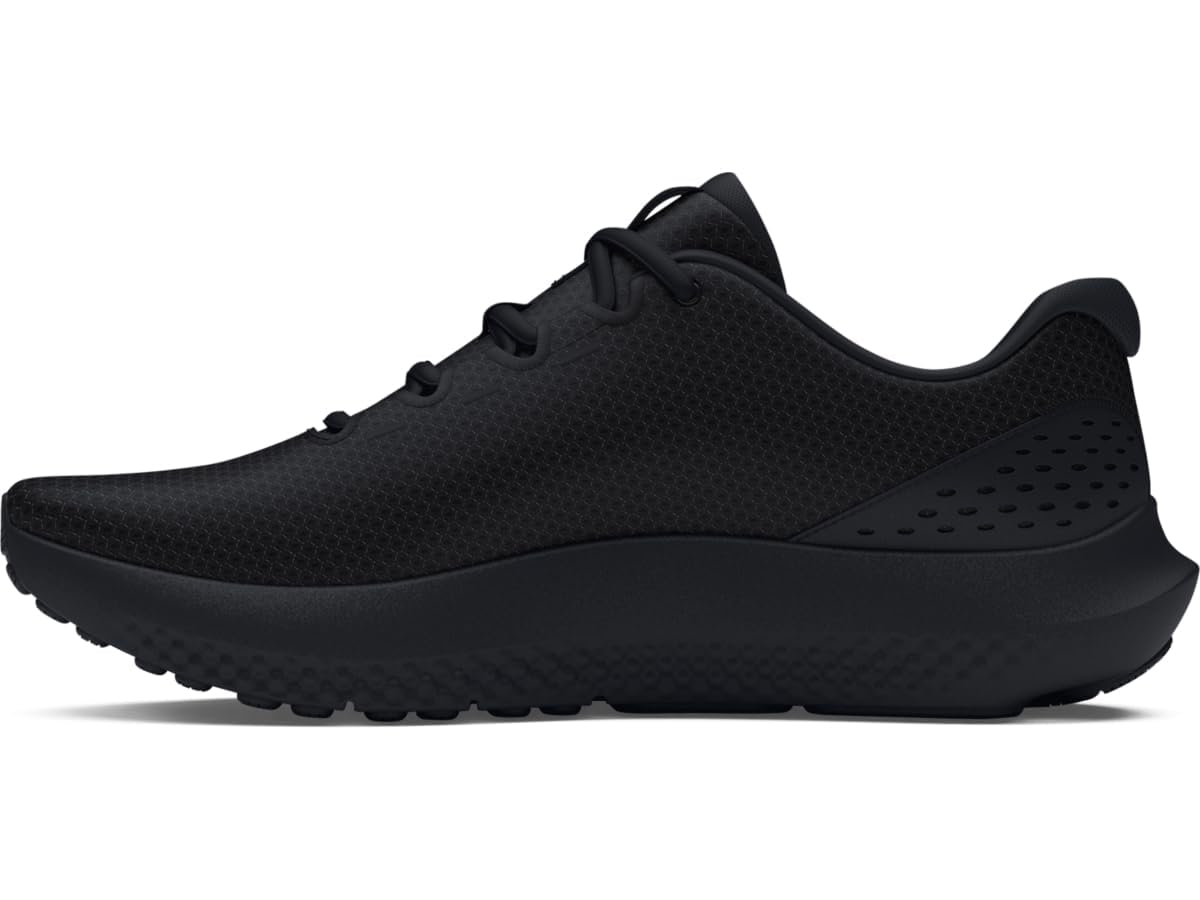
UA Charged Surge 4

UA Charged Surge 4

Short jogs

Our Score 9.2/10
Check Price

Worth Noting

  • Outsole detachment can occur within two months of use
Weight
1.85 lbs
Read the full review

The Under Armour Charged Surge 4 offers a breathable, lightweight feel for short jogs at a budget-friendly price. However, basic cushioning and possible outsole detachment within two months make it unsuitable for half marathon training or higher mileage.

Bottom line: A reasonable pick for casual runners on a tight budget, but not for those training for half marathons or longer races.

#5

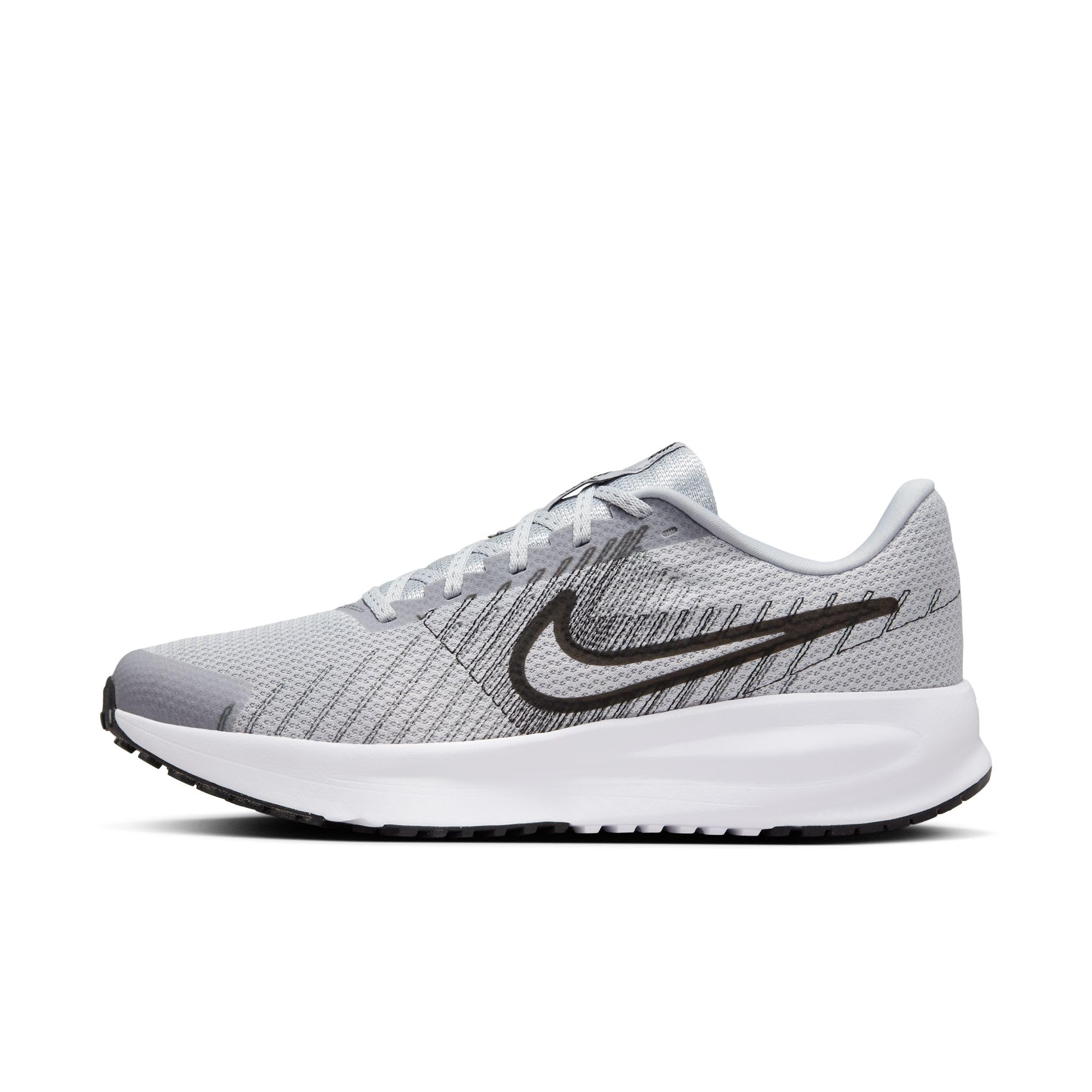
Nike Run Defy

Nike Run Defy

Occasional jogs

Our Score 9.2/10
Check Price

Worth Noting

  • Narrow toe box may cause discomfort for wider feet; material wear can appear within months
Weight
Read the full review

The Nike Run Defy delivers basic comfort and breathability at a low price, making it a practical choice for short, casual runs. However, the narrow toe box can squeeze wider feet, and some pairs show material wear within a couple of months. These limitations keep it from serving longer training distances or consistent weekly mileage.

Bottom line: Works as an occasional jogging shoe on a tight budget, but not built for the demands of half-marathon training or regular high-mileage runs.

#6

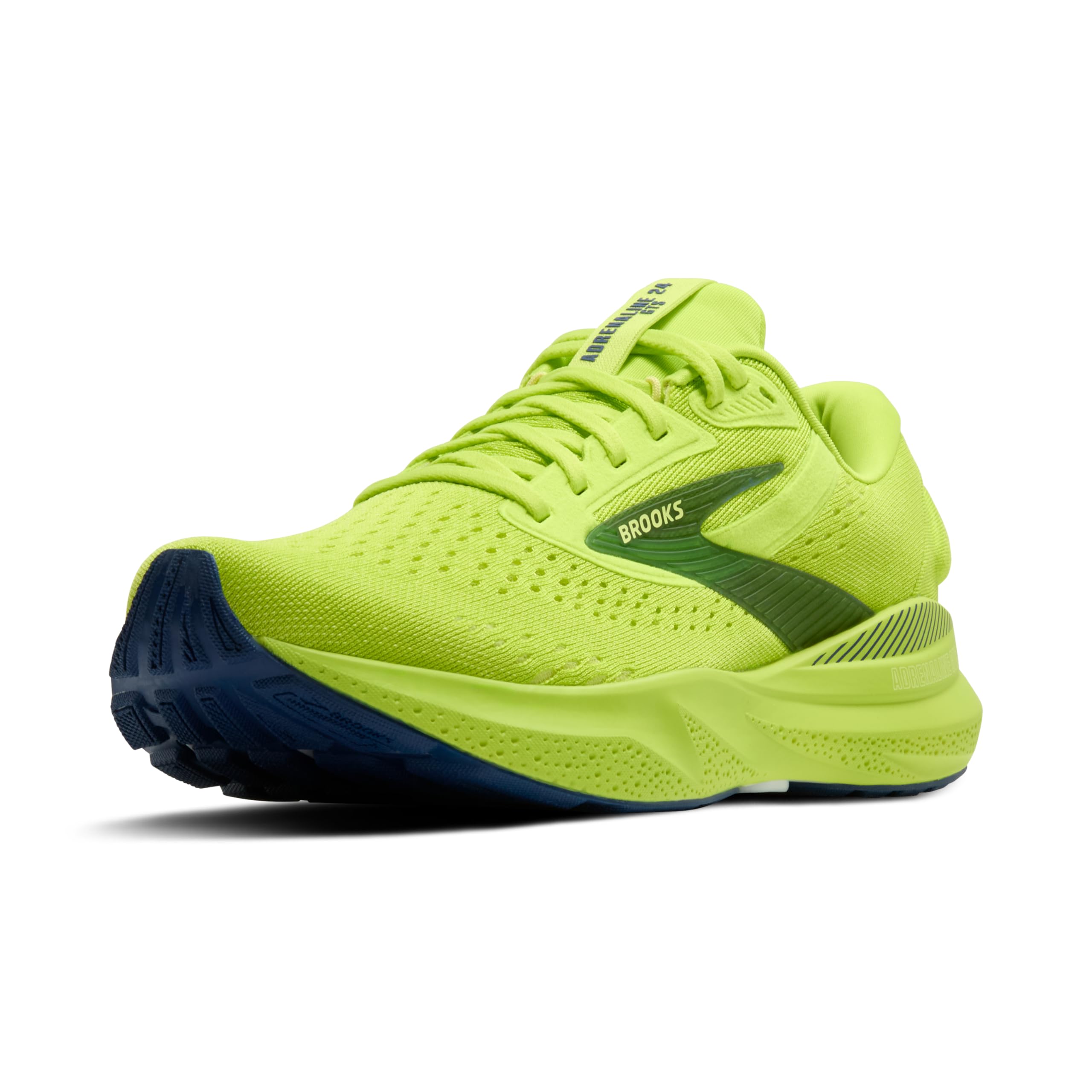
Brooks Adrenaline GTS 24

Brooks Adrenaline GTS 24

Stability marathon

Our Score 9.0/10
Check Price

Worth Noting

  • Runs half to full size small
  • Outsole may show faster wear on high-mileage asphalt use
Weight
1.5 lbs
Read the full review

The Adrenaline GTS 24 uses GuideRails to gently correct overpronation while keeping the ride smooth enough for long road miles. Where the top pick Ghost 17 stays neutral and plush, this Brooks stability shoe adds structure without turning harsh — a practical middle ground for runners who need support but dislike the boat-like feel of traditional motion-control shoes.

Best suited for runners with mild to moderate overpronation logging half marathon or longer distances. The tradeoff: the toe box runs small, so ordering half a size up is expected, and some users note outsole wear after several months of heavy use — not a dealbreaker for those who rotate shoes or run primarily on asphalt.

Tip: Order half a size up to avoid the snug toe box; the extra room won't compromise stability.

Bottom line: A stability-focused marathon shoe that delivers on correction without punishing ride — just budget for a half-size up and accept that the outsole won't outlast a high-mileage rotation.

#7

NB Fresh Foam Roav

NB Fresh Foam Roav

Casual walks

Our Score 9.0/10
Check Price

Worth Noting

  • Stitching and sole separation can occur within a few months of regular use
Weight
Read the full review

The Fresh Foam Roav delivers noticeable all-day comfort and a lightweight, stylish design that suits low-mileage daily wear. However, stitching and sole separation can occur after a few months of regular use, limiting its lifespan for long-distance training.

Bottom line: This shoe works well for casual walking or short daily jogs, but its stitching and sole separation can occur within months, making it a poor choice for long-distance training.

#8

Nike Revolution 8

Nike Revolution 8

Occasional runs

Our Score 9.0/10
Check Price

Worth Noting

  • For occasional use, sole separation and fabric tears can develop within months
Weight
Read the full review

The Revolution 8 delivers decent comfort and a low weight that suit short jogs and gym workouts without breaking the bank. However, the sole and upper can show wear after a few months, and the fit tends to run narrow and short — enough of a compromise that anyone covering serious weekly mileage should look at a more durable option like the Ghost 17.

Bottom line: For the occasional jogger or gym-goer on a tight budget, the Revolution 8 offers acceptable comfort at a low price — just size up and expect a shorter lifespan than premium trainers.

How to Choose

Cushioning Type and Stack Height

Cushioning determines how much impact your joints absorb on each step. Max-cushion shoes (stack heights over 30mm) feel plush but can feel unstable at faster paces and often compress faster, reducing lifespan. Moderate stack heights (22-28mm) offer a better balance of comfort and ground feel for most marathoners.

Pay attention to the foam compound: EVA-based foams are common but degrade faster than polyurethane or nitrogen-infused blends. A shoe with a thick, dense midsole will retain its bounce longer than a soft, airy one – even if the initial feel is less dramatic.

Weight

A lighter shoe (under 10 ounces / 285 grams) reduces fatigue over 26.2 miles, but lighter often means less cushioning and less durable materials. Many long-distance runners prefer a shoe around 10-11 ounces as a compromise. Heavier stability shoes (12+ ounces) are justified only if you need pronation control.

Durability of Outsole and Upper

Outsole rubber thickness and pattern directly affect how many miles you get. Look for carbon rubber in high-wear areas (heel and forefoot) rather than blown rubber, which wears faster. Mesh uppers with reinforced overlays resist tearing better than thin engineered mesh. A shoe that starts fraying at 150 miles is a poor investment if you plan to hit 400+.

Fit (Especially Toe Box Width)

Feet swell during long runs – a half-size up is standard advice. A narrow toe box can lead to blisters and black toenails. Ideally, you want thumb-width of space in front. Some shoes offer wide sizes; others run naturally roomy. Always test fit with the socks you run in.

Stability Features for Overpronation

If your ankles roll inward excessively, a stability shoe with medial posts or guide rails (like GuideRails or Dynamic DuoMax) can prevent knee and hip issues. Neutral runners should avoid these – they add weight and stiffness unnecessarily. The wrong stability feature can create new problems if you don't need it.

Frequently Asked Questions