Shoes & Apparel

5 Best Training Shoes of 2026: Find the Balanced Performer for Your Gym Routine

Confused by training shoes that claim all-in-one but lean too heavy on lifting or running? This guide helps you find the balanced performer that fits your gym routine, from budget to premium.

Most training shoes promise versatility but often tip the scales toward either heavy lifting or running. The result is a shoe that excels at squats but leaves you aching on the treadmill, or one that floats through cardio but feels unstable under a barbell. This guide cuts through the marketing to find shoes that genuinely balance support and responsiveness — so you don't have to choose between a stable deadlift and a comfortable mile.

We've focused on shoes that deliver where it counts: comfort that lasts through a mixed workout, stability for lateral moves, and enough cushion for light runs. Whether you need wide widths, a barefoot feel, or a durable build for CrossFit, the picks here target specific use cases — not one-size-fits-all claims.

Each recommendation comes with clear trade-offs so you know exactly what you're getting before you swipe your card.

#1

UA TriBase Reign 6

Top Pick
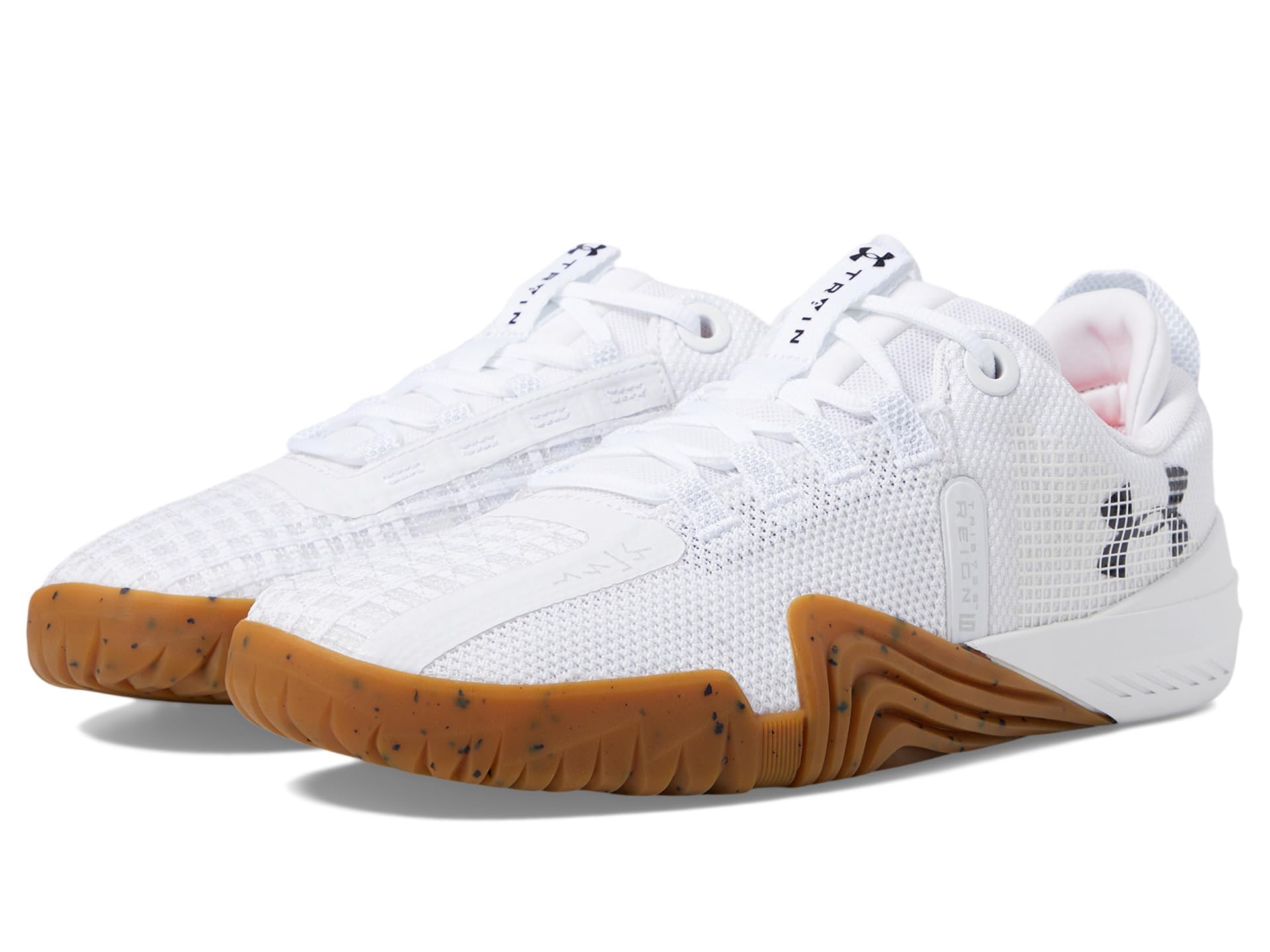
UA TriBase Reign 6

Heavy lifting, CrossFit

Our Score 9.4/10
Check Price

Worth Noting

  • Some pairs may show signs of prior use upon delivery.
  • Toe box can feel restrictive for wider feet.
Stability
TriBase stability for heavy loads
Durability
High build quality, durable
Fit Options
Narrow toe box, size up
Versatility
CrossFit, lifting, HIIT
Read the full review

The TriBase Reign 6 prioritizes a planted feel over plush cushioning — the TriBase sole and dense foam keep you stable during heavy squats and lateral movements. Build quality matches the premium price, with materials that hold up to repeated use.

Best for weightlifters and CrossFit athletes who need a stable base for lifting and can tolerate a snug toe box. Those with wider feet should consider sizing up; the shoe is less suited for long runs or casual all-day wear.

Tip: If you have wide feet, consider ordering a half size up or checking for a wide-width option.

Bottom line: For lifters who value a planted base over plush cushioning, the Reign 6 delivers focused performance and lasting build quality.
#2

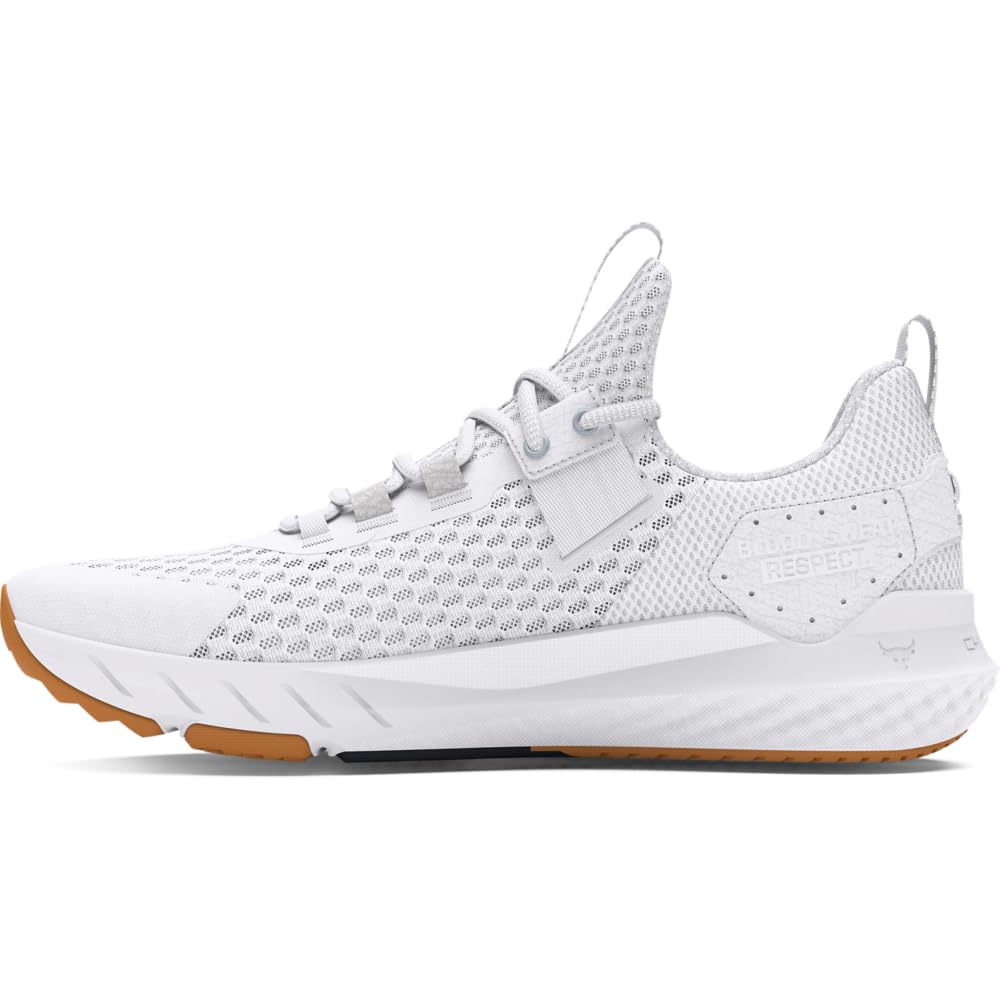
UA Project Rock 4

UA Project Rock 4

Style, versatile gym

Our Score 9.4/10
Check Price

Worth Noting

  • Narrow toe box can be snug for wide-footed users, often requiring a half size up
  • Durability has been hit-or-miss for some; occasional sole separation after a few months
Stability
Moderate stability
Durability
Some durability concerns
Fit Options
Snug toe box, not wide
Versatility
Gym, casual, light trail
Read the full review

The Project Rock 4 combines standout design with gym-ready performance, making it a versatile choice for training, light trail, and casual wear. The cushioning handles HIIT and short runs comfortably, and the build feels premium. However, the toe box runs narrow — wide-footed users will likely need to size up. Durability has also been inconsistent for some, with occasional reports of sole separation after months of use. This shoe suits the average gym-goer who values aesthetics and wants a single pair for multiple activities, provided their feet aren't on the wider side.

Tip: Order a half size up if you have wide feet — the toe box runs narrow.

Bottom line: If you want a gym shoe that looks as good on the street as it performs in workouts, the Project Rock 4 delivers — just check the fit if your feet run wide.

#3

New Balance 608 V5 Men's

New Balance 608 V5 Men's

General gym, wide

Our Score 9.2/10
Check Price

Worth Noting

  • Sizing may run short and toe box can feel tight even in wide options
  • Sole separation has been noted after several months with some pairs
Stability
Good for light training
Durability
Inconsistent; sole separation
Fit Options
Wide widths, runs small
Versatility
Walking, light cardio, casual
Read the full review

The New Balance 608 V5 delivers sustained comfort through long days, with a supportive arch that makes it suitable for walking and light gym work. Wide options fit many feet well, though some find the toe area snug despite the width choices. The price is notably low for the level of cushioning and support offered.

This shoe is best for budget-conscious gym-goers doing moderate training and everyday walkers who prioritize comfort over lifting stability. Durability can vary — occasional sole separation after months of use has been reported, so it is less ideal for heavy weekly lifting or CrossFit demands. Checking fit and intended use before buying is recommended.

Tip: Rotate with another pair and inspect the sole every few months to catch any separation early.

Bottom line: A comfortable, affordable cross-trainer for general gym and walking — just verify fit and note that long-term durability can be hit-or-miss.

#4

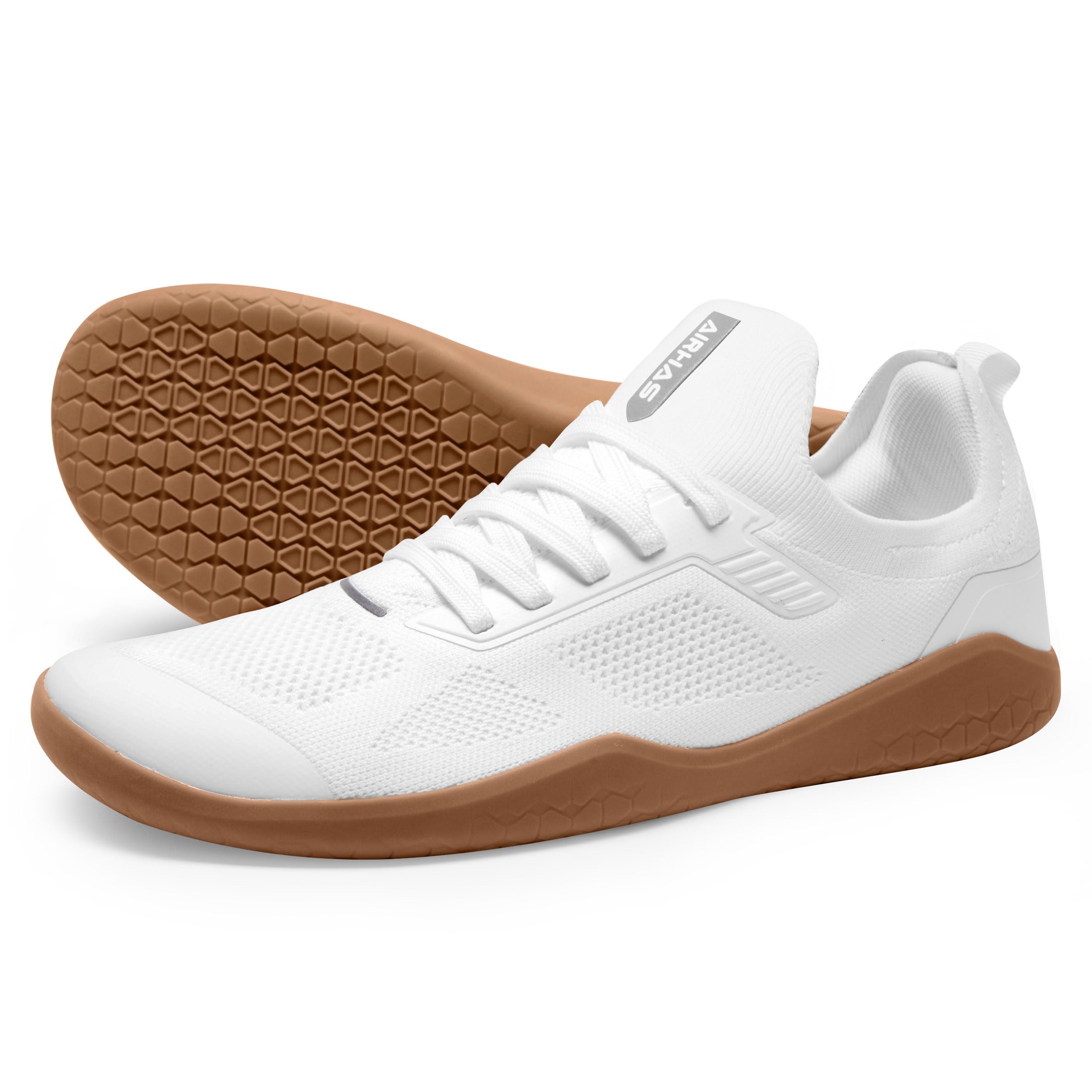
AIRHAS Barefoot Shoes

AIRHAS Barefoot Shoes

Minimalist lifting

Our Score 9.2/10
Check Price

Worth Noting

  • Midfoot may feel tight for some despite wide toe box
  • Sole durability can be average; may show wear sooner than traditional gym shoes
Stability
Excellent for deadlifts
Durability
Sole wears quickly
Fit Options
Wide toe box, narrow midfoot
Versatility
Weightlifting, barefoot
Read the full review

The AIRHAS Men's Barefoot Shoes deliver excellent ground feel for deadlifts and squats, letting you stay planted without the bulk of a traditional trainer. The wide toe box and flexible sole make it easy to spread your toes and feel the floor, which is exactly what you want on leg day. At a fraction of the cost of established barefoot brands, it's a practical entry point if you're curious about minimalist training.

This shoe suits weightlifters who want a direct connection to the ground and don't need cushion for running or high-impact cardio. However, the midfoot can feel tight for some despite the roomy toe box, so try them on before committing. Sole wear may also show faster than on cushioned gym shoes, so this is best for dedicated lifting sessions rather than daily wear.

Tip: If heel slip occurs, try a heel-lock lacing method to improve security.

Bottom line: For lifters who want a grounded feel without spending premium, the AIRHAS barefoot shoe delivers — just confirm the midfoot width works for you and keep expectations realistic on sole longevity.

#5

New Balance 608 V5 Women's

New Balance 608 V5 Women's

Women's wide, budget

Our Score 8.8/10
Check Price

Worth Noting

  • Sizing can run short; some buyers need to go up half a size
  • Sole separation or stitching issues may appear over time
Stability
Stable base for walking
Durability
Durability hit-or-miss
Fit Options
Wide fit, runs small
Versatility
Walking, light gym
Read the full review

The 608 V5 Women's retains the supportive cushioning and wide toe box that made the men's version a popular choice, with a fit built for female feet. This is a no-fuss everyday trainer for women who prioritize comfort over flashy design, especially those with wider feet. Durability can be occasional — sole separation or stitching issues may appear after a few months, making this more of a replace-yearly option than a long-term investment.

Tip: Order half a size up if you prefer a roomy toe box or plan to wear thicker socks.

Bottom line: For women who want an affordable, comfortable cross-trainer for light gym wear and daily walking, the 608 V5 delivers — just plan for replacement sooner than you would with pricier options.

How to Choose

Comfort & Cushioning

Comfort covers two things: the foam density underfoot and how the shoe conforms to your foot over time. A plush shoe feels great on the treadmill but may compress under a heavy squat, making you unstable. A firmer shoe gives you solid ground contact for lifting but can feel harsh on a 10-minute run.

Your routine dictates the balance. If you do circuits mixing burpees and deadlifts, look for a mid-level cushion that doesn't bottom out. If you only lift, a minimalist or firm trainer works better.

Stability

Stability comes from the sole's width, the heel stack height, and whether the shoe has a dedicated stability plate. A wide, flat base with low stack height keeps you planted during lateral cuts and heavy compound lifts. A narrow or raised heel increases the risk of rolling during side shuffles.

CrossFit and weightlifting shoes often trade running comfort for a stiff, wide platform. If your training includes multidirectional movement, look for a moderate heel drop (4-6mm) and a sole that doesn't compress unevenly.

Fit Options

Width and toe box shape are as important as length. A shoe that fits perfectly in standard width may pinch after 30 minutes of lunges. Many brands offer wide sizes, but the shape of the toe box — round vs. tapered — determines if your toes spread naturally.

If you have flat feet or high arches, consider aftermarket insoles. Even the best shoe may not provide the exact support you need. Try on with your usual gym socks and check for heel slip when walking.

Durability

Durability is about the outsole rubber compound and how the upper attaches to the sole. Shoes with thinner outsoles or glued-on slabs wear faster, especially during rope climbs or drags. Stitching and reinforced toe caps extend life, but add weight.

Budget trainers often use softer rubber that grips well but wears quickly under heavy use. If you train daily, budget for replacement every 6-8 months. A premium shoe with a carbon-rubber outsole can last over a year with the same routine.

Versatility

Versatility is the ability to transition from a treadmill warm-up to a heavy squat without changing shoes. The key spec is the heel-to-toe drop: a low drop (0-4mm) feels natural for lifting but can stress calves during running. A high drop (8-12mm) cushions heels but reduces stability for squats.

A 4-6mm drop hits the sweet spot for most mixed sessions. Also consider the tread pattern — flat for lifting, but with enough grip for box jumps and lunges. Deep lugs are overkill for gym floors and reduce stability on platforms.

Frequently Asked Questions