Shoes & Apparel

7 Best Barefoot Training Shoes of 2026: Durability That Matches Your Budget

Find the best barefoot training shoes for gym workouts that balance price and longevity – no hype, just honest picks for every budget.

You want a barefoot shoe that feels natural for squats, deadlifts, and daily training – but the category is full of trade-offs. Budget pairs often wear out fast, while premium brands like Xero and Vivobarefoot also show durability complaints in the same price range.

The real choice isn't between cheap and expensive. It's about matching the shoe's construction to your training frequency and foot shape. A $25 shoe that lasts six months for light use can be better value than a $120 pair that fails in the same window.

This guide cuts through the marketing to show which zero-drop, wide-toe models actually hold up – and which ones you should only wear for occasional sessions.

#1

AIRHAS Barefoot Shoes

Top Pick
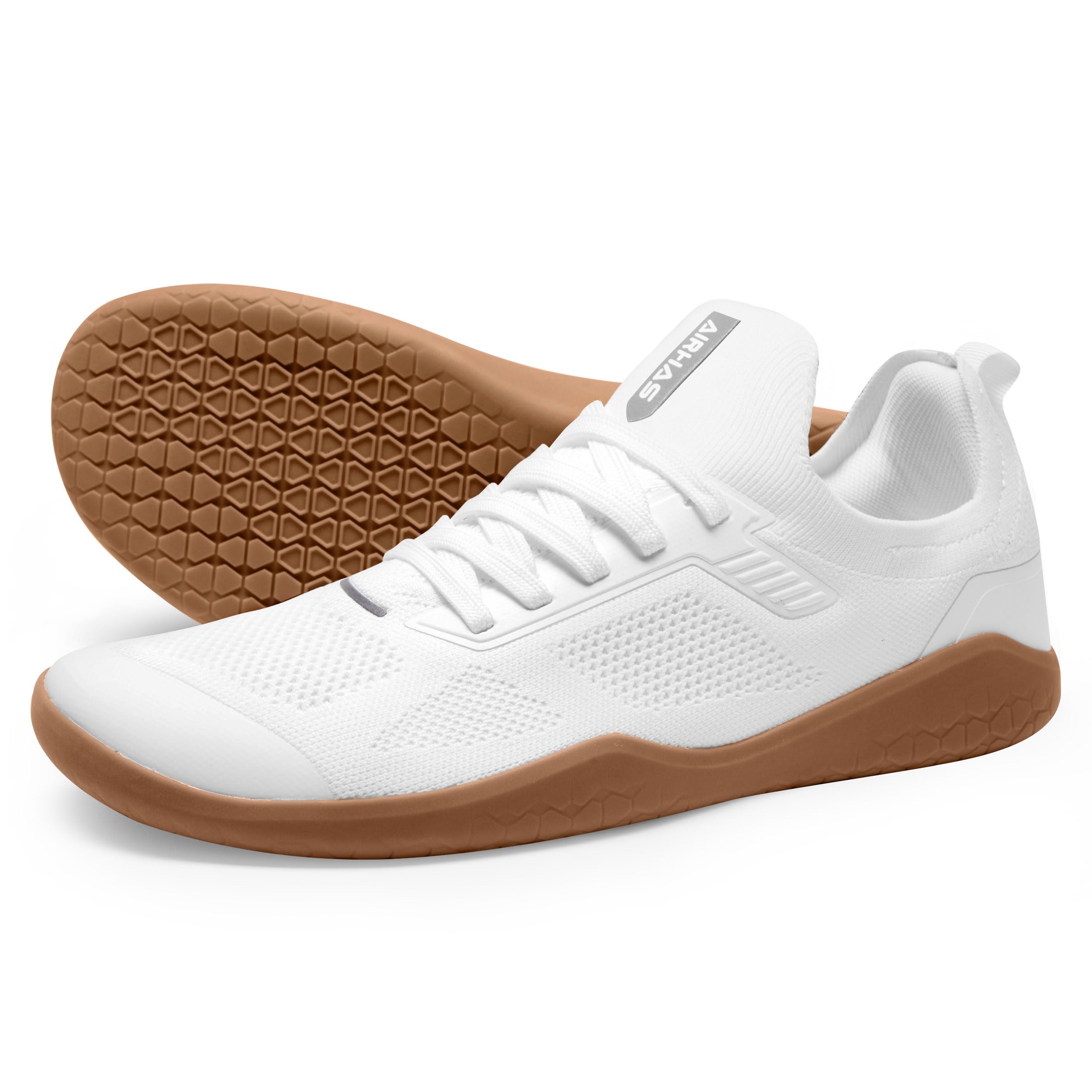
AIRHAS Barefoot Shoes

Gym training

Our Score 9.2/10
Check Price

Worth Noting

  • Sole wear may accelerate under frequent high-mileage use.
Traction
Good for gym mats
Durability
Sole wear reported rarely
Fit Consistency
Snug for wide feet
Sole Flexibility
Minimal rubber sole
Read the full review

The AIRHAS barefoot shoe provides a solid platform for squats and deadlifts, with a flexible sole that lets the foot move naturally. The zero-drop design and minimal cushioning create a close-to-ground sensation that many find more comfortable than traditional trainers.

This shoe suits gym-goers with normal to narrow feet looking for a versatile barefoot trainer. Those with wide feet may find the toe box snug — consider sizing up or exploring wider options.

Bottom line: For gym-focused barefoot training, this shoe combines dependable leg-day performance with a polished look that works beyond the gym.

#2

MANUEKLEAR Deadlift Shoes

MANUEKLEAR Deadlift Shoes

Weightlifting

Our Score 9.0/10
Check Price

Worth Noting

  • Sizing can be inconsistent; some users may need to size up or down
Traction
Superb for lifting
Durability
Fit Consistency
Inconsistent sizing
Sole Flexibility
Thin flat rubber
Read the full review

With a flat, non-slip rubber sole and zero-drop design, the MANUEKLEAR delivers reliable ground connection for deadlifts and squats. Sizing can be inconsistent, so careful ordering is recommended. At a budget-friendly price, it offers focused performance for dedicated weightlifters who want a stable platform and don't need it for running or cross-training activities.

Tip: Order two sizes if possible and return the one that doesn't fit, or try your usual size and one half-size larger to dial in the fit.

Bottom line: For weightlifters who want a budget-friendly, stable platform focused on deadlifts and squats without multi-activity versatility, this shoe delivers exactly what it promises.

#3

Vivobarefoot Primus Lite 3.5

Vivobarefoot Primus Lite 3.5
Our Score 9.0/10
Check Price

Worth Noting

  • For regular training, the limited owner reports on sole and upper durability can leave uncertainty.
Read the full review

The Vivobarefoot Primus Lite 3.5 delivers the lightweight (approx. 7oz) and wide toe box that barefoot enthusiasts expect from the brand. However, the limited owner feedback makes it difficult to gauge long-term fit and durability for regular training. This is best for those already sold on Vivobarefoot and comfortable with that uncertainty.

Bottom line: A fitting option if you already trust Vivobarefoot and want a lightweight barefoot trainer, but expect to rely on your own experience rather than peer guidance.

#4

MIFAWA Barefoot Shoes

MIFAWA Barefoot Shoes

Budget gym use

Our Score 8.8/10
Check Price

Worth Noting

  • Sizing varies between units
  • Insole or upper material may detach or tear after a few months of consistent use.
Traction
Excellent wet/dry
Durability
Insole/toe failures
Fit Consistency
Size carefully, varies
Sole Flexibility
Water shoe style
Read the full review

At under $25, the MIFAWA delivers a genuine barefoot feel with strong traction on wet gym floors and trails. Its lightweight, breathable design suits warm-weather wear and water activities. However, sizing inconsistency means some may need to size up or down, and the insoles or toe material can show wear within months of regular training. Best for occasional gym-goers, first-time barefoot buyers, or anyone needing a cheap water shoe — not a daily trainer for heavy lifting or frequent workouts.

Tip: Order two sizes if unsure — returns are easy, and a proper fit makes a noticeable difference.

Bottom line: An entry-level barefoot shoe that works for light gym sessions and water use, as long as you accept possible fit and durability quirks.

#5

Weweya Barefoot Shoes

Weweya Barefoot Shoes

Budget casual

Our Score 8.6/10
Check Price

Worth Noting

  • Sizing runs small
  • Eyelet loops and stitching can separate within weeks
Traction
Good for trails
Durability
Eyelet/seam failures
Fit Consistency
Size up recommended
Sole Flexibility
Flexible rubber
Read the full review

A widely appreciated barefoot shoe for its comfortable 'second skin' feel and adaptability across hiking, walking, and light gym workouts. The zero-drop, wide toe box, and flexible sole encourage natural movement. However, the eyelet loops and stitching are weak points that can separate within weeks of use.

Best for budget-minded buyers who want a single shoe for casual walking, light training, and occasional hikes. The construction suits occasional wear better than daily heavy training, where durability becomes a limiting factor.

Tip: Order a half size up to account for the small sizing.

Bottom line: A cost-effective barefoot shoe for light, varied use – but check the fit and expect a shorter lifespan under frequent training.

#6

Xero Shoes Prio

Xero Shoes Prio

Barefoot fans

Our Score 8.6/10
Check Price

Worth Noting

  • Sole may detach or wear quickly under regular training use.
  • Toe box may feel snug for those with very wide feet.
Traction
Adequate for gym
Durability
Sole detachment common
Fit Consistency
Tight toe box for wide
Sole Flexibility
5mm rubber sole
Read the full review

The Prio delivers the barefoot feel many enthusiasts seek – zero drop, minimal cushioning, and a wide toe box that accommodates splay. The upper and sole feel well-constructed initially, with a clean silhouette that works for both casual wear and light gym sessions.

This is a good pick for barefoot newcomers who want a known name and plan to rotate shoes rather than train daily. However, the sole and upper have been known to separate or wear through within months of regular use, so it’s not a long-term investment for frequent training.

Tip: If your feet are on the wider side, size up or try a different model with more toe room.

Bottom line: If you need a durable daily trainer, the top pick offers better longevity; this one fits best for occasional workouts or as a second pair for barefoot purists.

#7

todaysunny Barefoot Shoes

todaysunny Barefoot Shoes

Extreme budget

Our Score 8.6/10
Check Price

Worth Noting

  • Laces may break and fabric can wear quickly over time.
Traction
Basic traction
Durability
Lace/fabric failures
Fit Consistency
Size up recommended
Sole Flexibility
Thin rubber sole
Read the full review

At a rock-bottom price, these shoes deliver acceptable comfort and a lightweight barefoot feel for occasional light use. However, sizing can be inconsistent (order up), and the fabric and laces may wear quicker than expected, making daily training a stretch.

Bottom line: Best suited for occasional light use or as a low-commitment entry into barefoot footwear.

How to Choose

Zero Drop and Wide Toe Box

Zero drop means the heel and forefoot sit at the same height, promoting a more natural stride and better weight distribution during lifts. A wide toe box allows toes to splay, which improves balance and reduces pinching when the foot flattens under load.

The trade-off: some models labeled 'wide toe box' still feel narrow for broader feet. Check recent reviews for real-world fit notes, especially if you have wide feet or bunions.

Thin, Flexible Sole

A thin sole (4-6mm) gives maximum ground feel, which helps with proprioception during deadlifts and squats. Flexible rubber allows the foot to bend naturally, but very thin soles offer less protection against sharp pebbles or gym debris.

For heavy lifting, a firm sole is better than an overly soft one because it won't compress under load. Water shoe styles (like MIFAWA) feel great for light gym use but may lack the rigidity needed for serious weight training.

Durability of Sole and Stitching

Most barefoot shoes under $50 cut costs on materials, leading to early sole separation, frayed stitching, or broken eyelets. Even premium brands like Xero show high failure rates within six months.

Look for reinforced stitching around the toe cap and eyelets, and check if the outsole rubber is vulcanized rather than glued. A shoe with a separate insole often fails faster because the insole slides or breaks down.

Fit Consistency

Sizing varies wildly across barefoot brands. One company's 10 may fit like a 9 in another. Many buyers report needing to go up or down a half size, even with the same foot length.

Always measure your foot against the brand's size chart, and pay attention to reviews that mention 'too short' or 'too wide.' If between sizes, choose the larger option and wear thin socks.

Traction on Gym and Outdoor Surfaces

Gym floors, foam mats, and rubber tiles each require different tread patterns. Smooth, flat soles can be slippery on polished concrete, while deep lugs may catch on gym mats.

For a dedicated gym shoe, a herringbone or fish-scale pattern offers reliable grip on both smooth and textured surfaces. Avoid overly aggressive treads if you plan to use the shoes mainly indoors.

Frequently Asked Questions