Shoes & Apparel

12 Best Trail Running Shoes of 2026: Durable Grip for Every Terrain

Find trail shoes that handle varied terrain without wearing out too soon. This guide helps you match traction, fit, and durability to your runs.

Finding a trail running shoe that actually lasts can feel like a compromise. Many models deliver great grip out of the box but start showing tears or sole separation within months. The market leans toward lightweight builds, often at the expense of upper and sole durability.

That doesn't mean you have to choose between traction and a shoe that survives the season. The right pick depends on how you use it – a waterproof shoe for wet climates, a zero-drop model for natural foot movement, or a budget option that gets the job done on mild trails. The trade-off is often between upfront cost and how many miles you'll get before replacement.

#1

Columbia Konos TRS

Top Pick
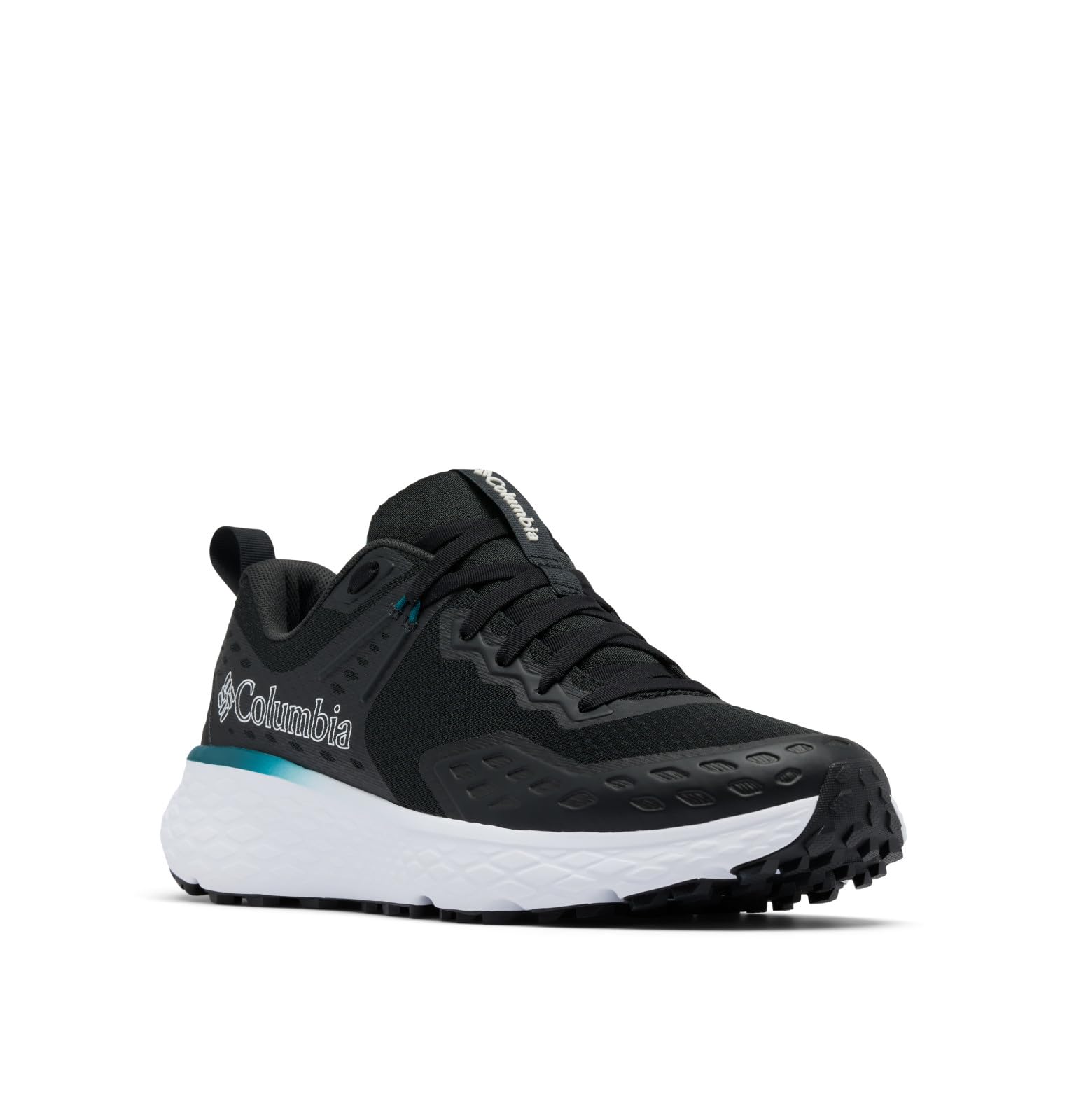
Columbia Konos TRS

Hikers/light runs

Our Score 9.4/10
Check Price

Worth Noting

  • Fit runs narrow; ordering a half size up is recommended for medium to wide feet.
Fit
Runs small for some
Traction
Adequate for trails
Durability
High quality
Waterproof
Good water resistance
Read the full review

The Konos TRS delivers an exceptionally comfortable fit straight out of the box, backed by build quality that stands up to regular mixed use. The materials show no early wear signs, and a light water resistance handles damp grass without soaking through.

This shoe suits hikers who run and runners who walk — it handles dry packed trails and pavement comfortably. Its traction is adequate for those conditions but lacks the aggression needed for muddy or loose technical terrain. The fit runs narrow, so ordering a half size up is wise for medium to wide feet.

Tip: Order a half size up if you have medium-width feet to avoid tightness.

Bottom line: For moderate trails and daily wear, the Konos TRS delivers immediate comfort and durable construction. Size up for a proper fit.

#2

UA Charged Bandit Trail 3

UA Charged Bandit Trail 3

Narrow feet

Our Score 9.2/10
Check Price

Worth Noting

  • Tight toe box may require sizing up for medium-width feet
Fit
Narrow, runs small
Traction
Durability
Mixed early wear
Waterproof
None
Read the full review

Lightweight and stylish with good value for daily wear, but the narrow fit and occasional durability concerns keep it from challenging top-tier trail shoes. Best for narrow-footed runners on a budget who stick to moderate trails.

Bottom line: Best for narrow-footed runners on a tight budget who stick to light trails and prioritize style over long-distance durability.

#3

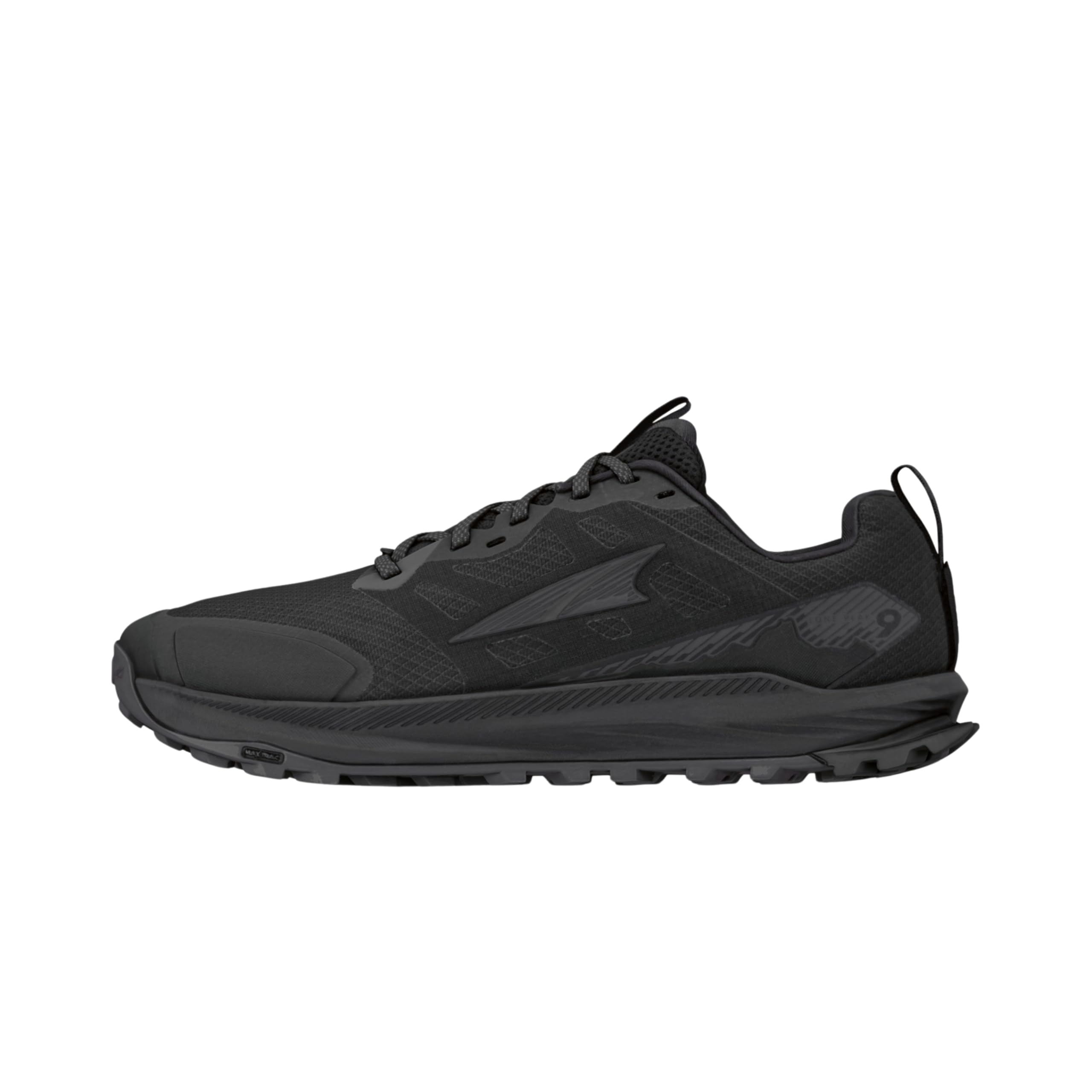
ALTRA Lone Peak 9

ALTRA Lone Peak 9

Altra fans

Our Score 9.2/10
Check Price

Worth Noting

  • Upper and outsole wear can show sooner than with more rugged trail shoes
Fit
Generous toe box, mid-foot tight
Traction
Good on varied terrain
Durability
Inconsistent early wear
Waterproof
None
Read the full review

The Lone Peak 9 keeps the roomy toe box and zero-drop feel that Altra fans appreciate, while adding a refined tread pattern for varied terrain. However, the same durability concerns from earlier versions persist – upper wear can appear faster than with more rugged trail shoes. At a mid-range price higher than the 7 or 8, it's best for runners who value foot shape and replace shoes regularly rather than expecting long-term durability.

Bottom line: A good fit for runners who prioritize Altra's foot shape and plan to replace shoes after a season of heavy use.

#4

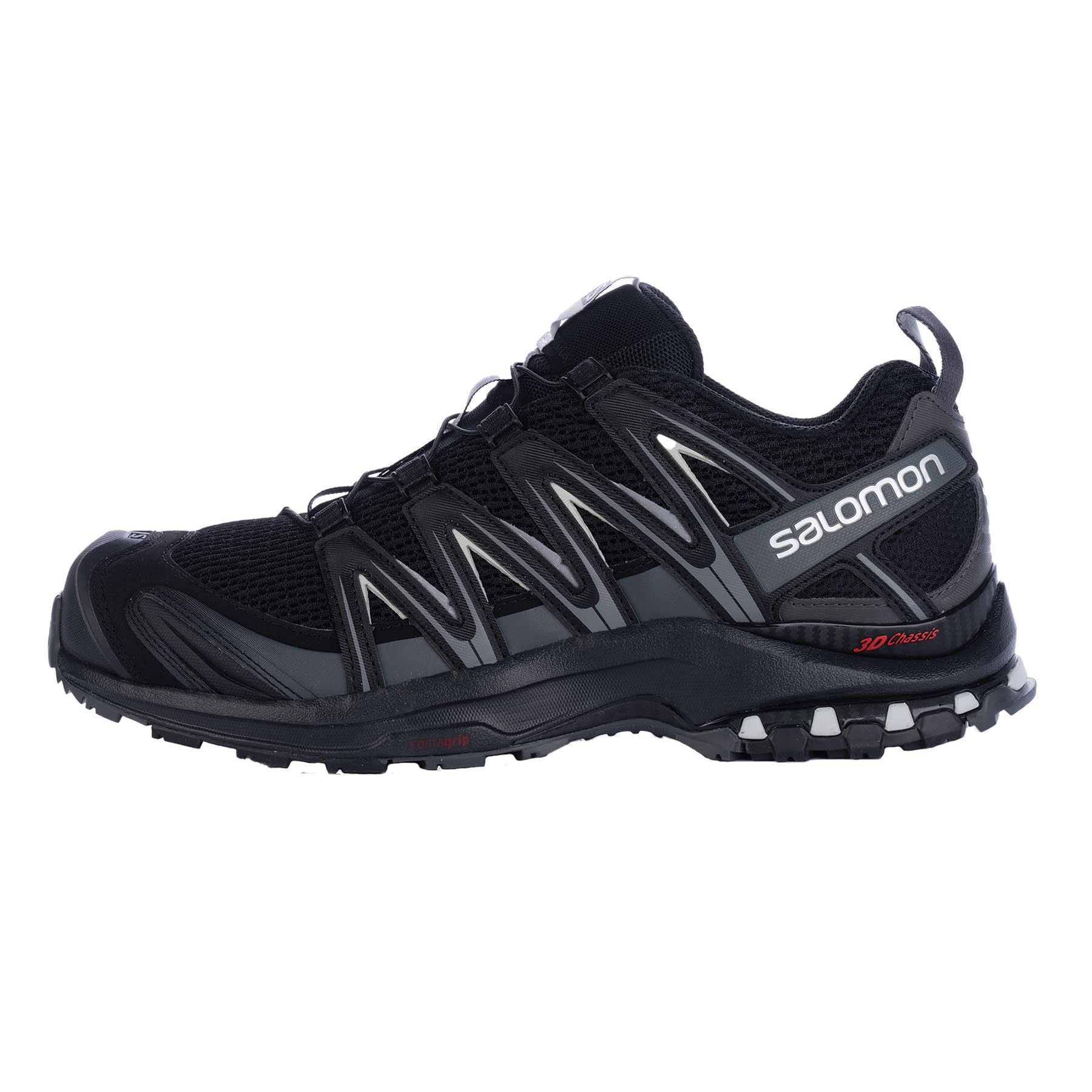
Salomon XA PRO 3D

Salomon XA PRO 3D

All-around trail

Our Score 9.0/10
Check Price

Worth Noting

  • Upper material wear has been noted in some cases over extended use
Fit
Narrow, order half up
Traction
Excellent all-terrain grip
Durability
High build quality
Waterproof
Breathable mesh
Read the full review

The XA PRO 3D's chassis shrugs off rocky terrain and repetitive impacts, while the outsole pattern holds well on loose dirt and wet roots. The quick-lace system allows glove-like fit adjustments mid-run, and the arch support keeps the foot planted over uneven ground.

This shoe suits runners with narrow to medium feet; those with wider feet should order a half size up or consider another option. The upper may show wear with heavy mileage, but the overall construction remains intact for regular trail use and day hikes.

Bottom line: The XA PRO 3D is a straightforward choice for trail runners who value longevity and grip across mixed terrain. It earns its premium price for the right foot shape.

#5

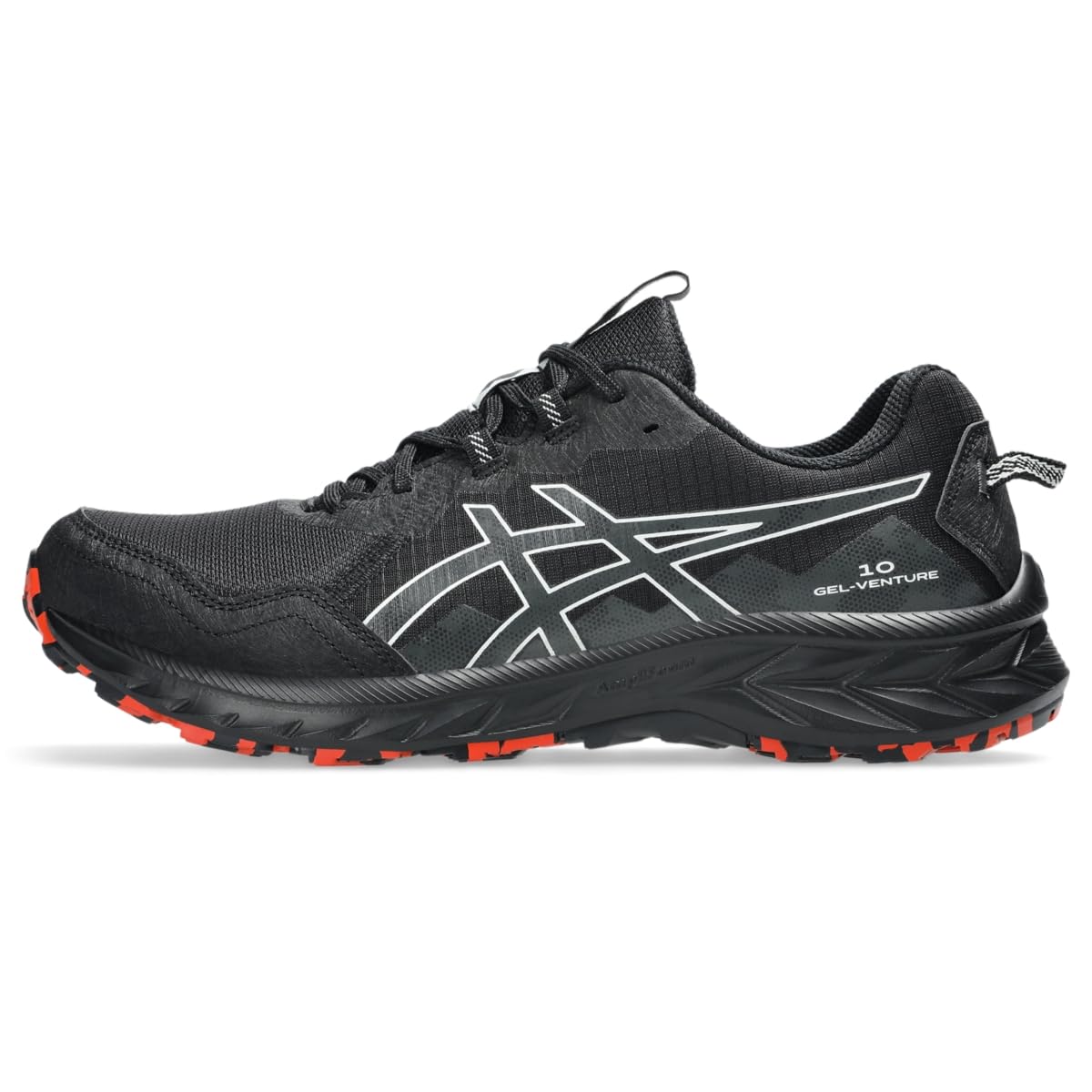
ASICS Gel-Venture 10

ASICS Gel-Venture 10

Budget runners

Our Score 9.0/10
Check Price

Worth Noting

  • Narrow fit
  • Cushioning can feel stiff for some runners
Fit
Narrow toe box
Traction
Moderate grip
Durability
Mixed, sole separation
Waterproof
None
Read the full review

The Gel-Venture 10 delivers consistent comfort and support for casual trail runs and everyday wear, with GEL cushioning that softens impact on moderate terrain. Its narrow fit and firmer cushioning mean it suits feet that don't need extra space or plushness.

Budget runners, those with flat feet, and anyone prioritizing arch support over plush cushioning will find this a cost-effective option. For long-distance or technical trails, the top-pick Salomon XA PRO 3D offers more durability and a more refined fit.

Tip: Consider ordering half a size up if your foot is medium width or you prefer extra toe room.

Bottom line: A solid buy for budget-conscious trail runners who don't need a wide fit or pillowy cushioning – just dependable traction and support.

#6

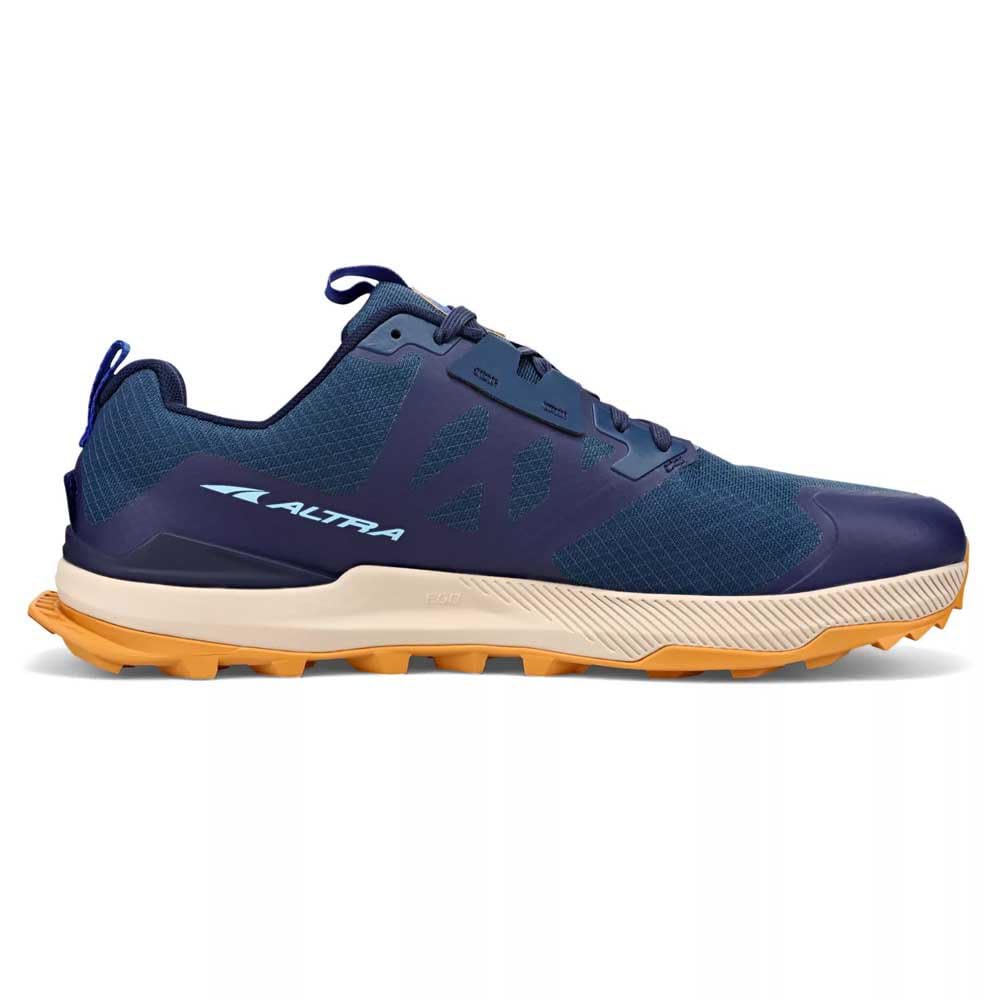
ALTRA Lone Peak 7

ALTRA Lone Peak 7

Wide feet

Our Score 9.0/10
Check Price

Worth Noting

  • Cushioning may feel too soft for stability on uneven ground
  • Upper durability may be insufficient for heavy use
Fit
Wide toe box
Traction
Good on rocks/dirt
Durability
Inconsistent upper tears
Waterproof
None
Read the full review

The Lone Peak 7 delivers a roomy toe box and zero-drop platform that lets toes splay naturally, ideal for runners who prefer a natural foot position. The upper can tear within months under heavy use, and the soft cushioning may feel too yielding on technical terrain. This shoe fits best for runners with wide feet who stick to shorter, less demanding trails and don't need it to last a full season.

Bottom line: Good for natural-footed runners on lighter trails, but not a heavy-use workhorse.

#7

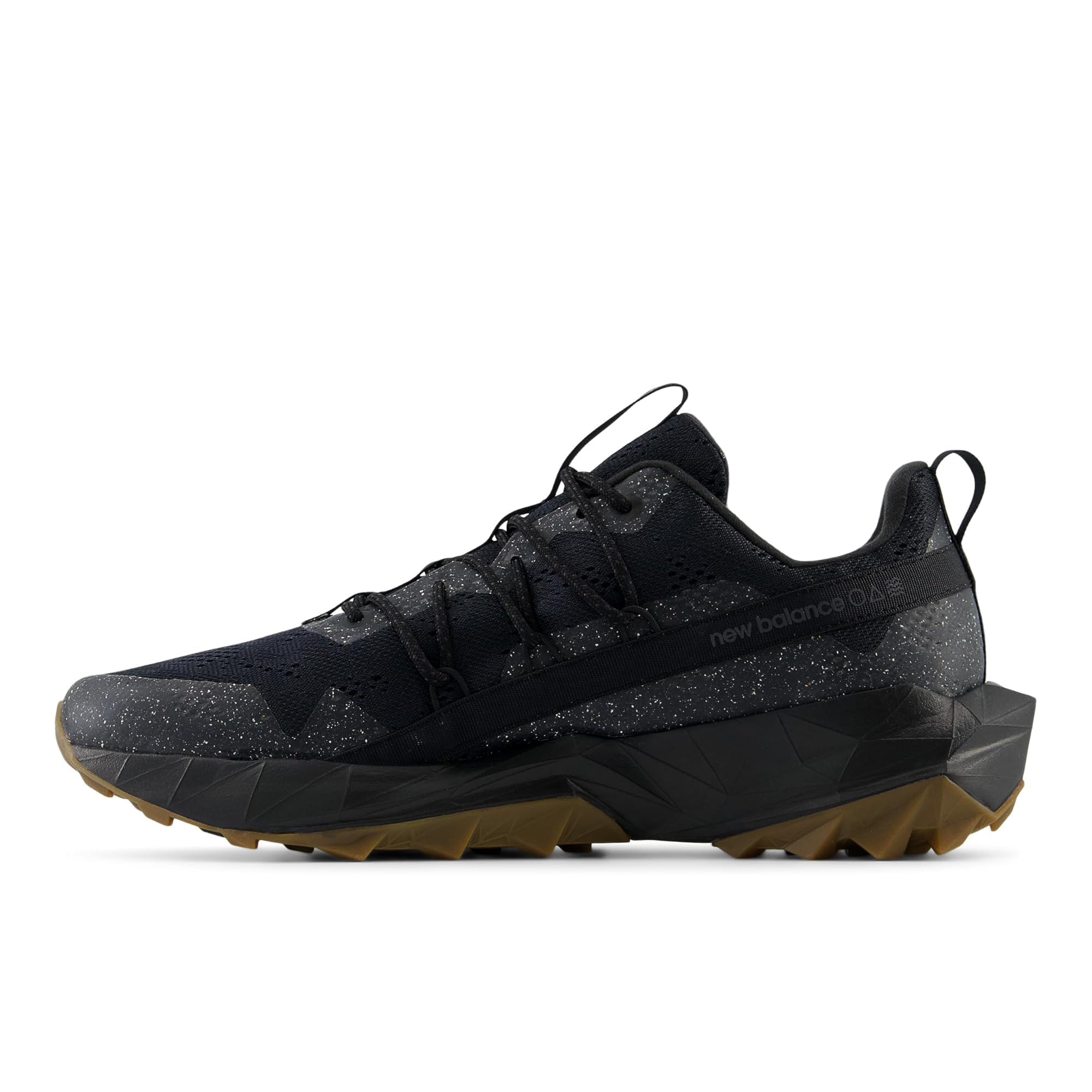
NB Dynasoft Tektrel V1

NB Dynasoft Tektrel V1

Light trail

Our Score 9.0/10
Check Price

Worth Noting

  • Narrow fit may require ordering half a size up, especially in the toe box.
Fit
Narrow, runs small
Traction
Durability
Upper tearing risk
Waterproof
None
Read the full review

This New Balance shoe combines a suede upper with a Dynasoft midsole for a stylish, comfortable ride on maintained paths and casual runs. The design and color options stand out, and the shoe feels light and breathable. However, the narrow fit may require ordering half a size up, and upper durability has been noted to tear under heavy use, limiting its suitability to light terrain rather than rugged off-road trails.

Bottom line: Best for budget-minded runners who prioritize style and comfort on light trails, and who don't push into rough terrain or high mileage.

#8

Saucony Excursion TR15

Saucony Excursion TR15

Occasional use

Our Score 9.0/10
Check Price

Worth Noting

  • Upper tearing may occur under heavy trail use, limiting lifespan for frequent runners
Fit
True to size
Traction
Excellent loose soil
Durability
Upper tearing risk
Waterproof
None
Read the full review

The Saucony Excursion TR15 pairs a light, comfortable ride with solid grip on loose soil and gravel, making it a budget-friendly option for occasional trail runs or mixed-terrain commutes. The upper, however, may show tearing under frequent heavy use, so this shoe suits runners who hit dirt paths a few times a week rather than those logging high mileage.

Bottom line: A smart pick for runners who hit trails a few times a month, but not for those logging 30+ miles weekly.

#9

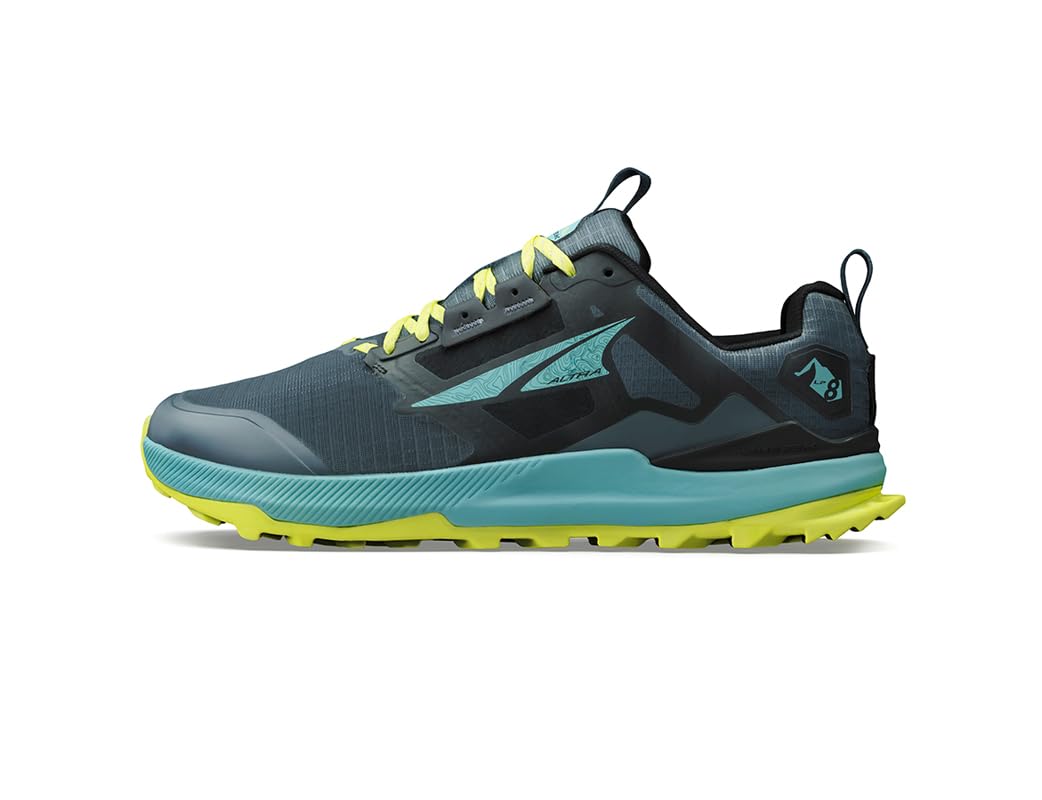
ALTRA Lone Peak 8

ALTRA Lone Peak 8

Discount seeker

Our Score 9.0/10
Check Price

Worth Noting

  • Upper and sole can separate with regular trail use, shortening shoe life.
Fit
Roomy toe box, some narrow
Traction
Excellent on rocks
Durability
Poor, falls apart
Waterproof
None
Read the full review

Often found at a lower price than newer Lone Peak models, the Lone Peak 8 offers the wide toe box and zero-drop platform Altra fans value, plus strong traction on dirt and rock. The tradeoff is durability: upper tearing and sole separation can occur with regular use, making this a shorter-term option for committed trail runners.

Bottom line: Suitable if you value foot-shaped fit and a low price over extended mileage; consider rotating with another pair to manage wear.

#10

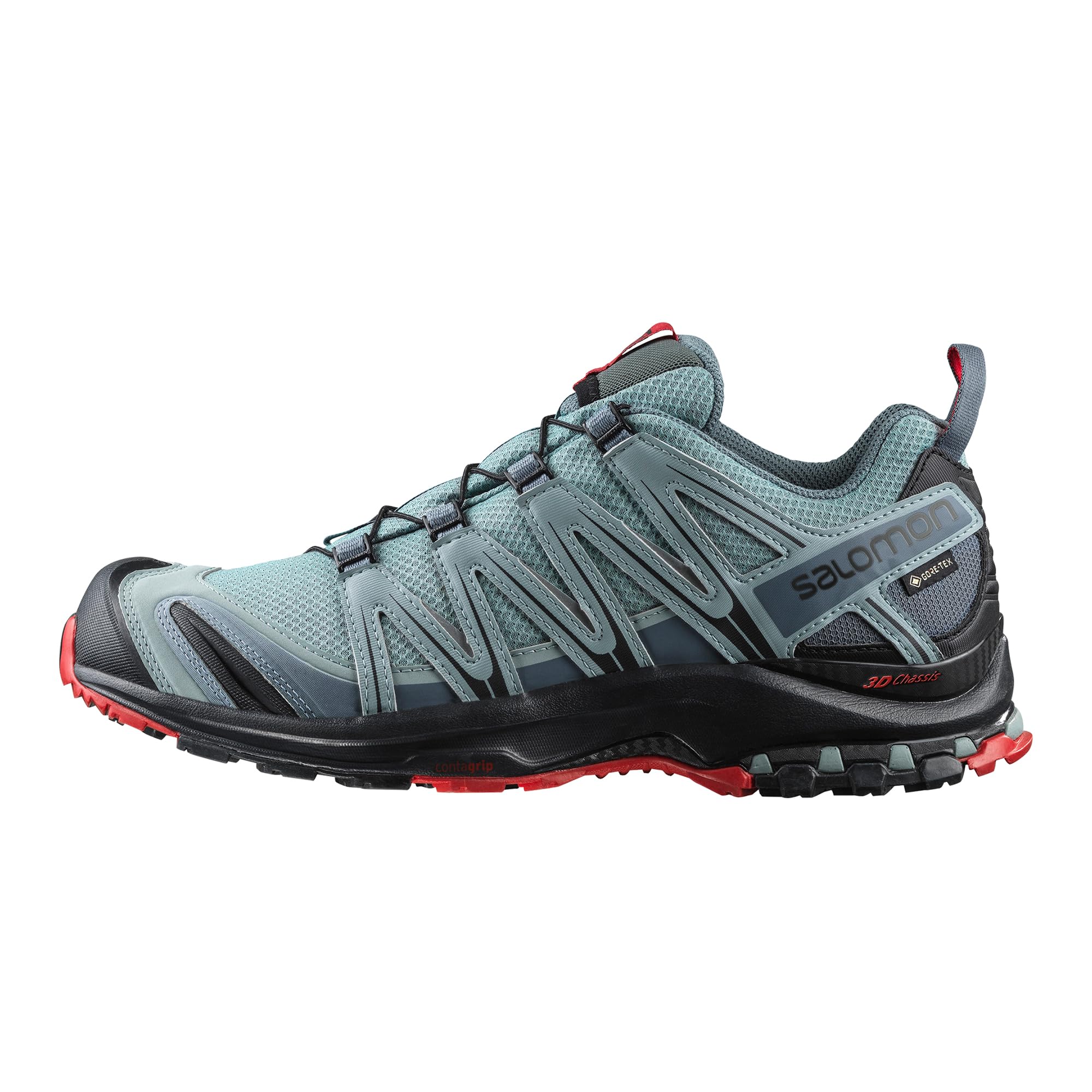
Salomon XA PRO 3D GTX

Salomon XA PRO 3D GTX

Wet conditions

Our Score 8.8/10
Check Price

Worth Noting

  • Under heavy use on rocky terrain, sole separation has been noted in some units.
Fit
Narrow, runs small
Traction
Excellent all-terrain
Durability
High build quality
Waterproof
Gore-Tex waterproof
Read the full review

The Gore-Tex membrane keeps feet dry in rain and puddles while the sturdy build and supportive arch carry over from the standard XA PRO 3D. The tradeoff is less airflow, so this version works best in cool, damp conditions rather than hot weather. It fits narrow feet well and offers easy one-handed adjustment via the quick-lace system.

Tip: The Gore-Tex lining reduces breathability – reserve for cooler conditions or shorter summer runs.

Bottom line: For narrow-footed runners who regularly encounter wet trails, this waterproof XA PRO version adds confident water protection without sacrificing the supportive ride.

#11

adidas Terrex Tracefinder

adidas Terrex Tracefinder

Budget adidas

Our Score 8.8/10
Check Price

Worth Noting

  • In quiet trail environments, the audible squeaking may be distracting
Fit
Narrow, runs small
Traction
Durability
Mixed early wear
Waterproof
None
Read the full review

The adidas Terrex Tracefinder offers a comfortable, well-constructed shoe with the brand's familiar design at a budget price. However, a noticeable squeaking sound during walking or running makes it better suited for noisy environments or music-assisted runs than quiet, focused trail sessions.

Bottom line: Best for budget-conscious runners who don't mind noise or plan to run with headphones; not ideal for quiet, natural-surface trail running.

#12

Merrell Trail Glove 7

Merrell Trail Glove 7

Minimalist

Our Score 8.8/10
Check Price

Worth Noting

  • Narrow toe box can be tight for medium or wide feet
Fit
Narrow toe box
Traction
Good on grass
Durability
Sole wears quickly
Waterproof
None
Read the full review

This zero-drop shoe delivers the barefoot feel and grip on grassy trails that minimalist runners seek, but two compromises limit its reach. The toe box is narrow enough to feel restrictive for anyone beyond a slim foot, and the outsole shows visible wear faster than most trail shoes. That combination makes it a tool for dedicated minimalists on short, non-technical terrain rather than a daily driver for varied off-road running.

Bottom line: For minimalist runners with narrow feet who prioritize ground feel over durability and run short distances on grassy trails, this budget-friendly option fits the niche well.

How to Choose

Traction

Trail running shoes use lugs of varying depth and spacing. Deep, widely spaced lugs (like on the Salomon Speedcross) bite into soft mud and loose gravel but wear quickly on pavement or hard-packed dirt. Shallower, more tightly packed lugs provide stable grip on rocky or rooty trails and last longer on mixed surfaces.

For most runners, a moderate lug depth of 4-5mm handles the widest range of terrain. If you primarily run on wet or muddy trails, prioritize aggressive tread; if you run on dry, technical trails, a chevron pattern with good edge grip matters more.

Durability

Upper durability depends on materials: mesh uppers are lightweight and breathable but prone to tearing, especially near the toe bend. Shoes with reinforced overlays or synthetic suede (like the Salomon XA PRO 3D) resist abrasion better. Outsole rubber hardness also matters – softer compounds give better traction but wear faster, while harder compounds last longer but can feel slippery on wet rock.

A shoe that rates highly for build quality, such as the Columbia Konos TRS or Salomon XA PRO 3D, typically uses denser mesh and thicker rubber. Budget shoes often cut corners here, leading to failures within 200-300 miles.

Fit Consistency

Fit is the most personal spec and the most commonly complained about. Many trail shoes run narrow – Salomon, ASICS Gel-Venture, and New Balance 410 V8 are frequent offenders. Others, like ALTRA Lone Peak, offer a wide toe box for natural splay. Always check whether the shoe runs small, narrow, or true to size; a half-size up often solves toe crowding.

Heel lockdown is equally important. A loose heel causes blisters and instability on descents. Look for models with internal heel counters or padded collars that grip without slipping.

Cushioning and Drop

Drop – the height difference between heel and toe – affects your running form. Zero-drop shoes (like ALTRA or Merrell Trail Glove) encourage a midfoot strike and strengthen calves, but require a transition period. Higher drops (6-12mm) feel more like road shoes and are easier for heel-strikers.

Cushioning ranges from plush (soft, absorbs shock) to firm (ground feel, better feedback). Plush cushioning reduces fatigue on long runs but reduces stability on uneven terrain. Firm cushioning is more responsive but can feel harsh on rocky trails if the stack is low.

Waterproofing

Waterproof membranes like Gore-Tex or Outdry keep feet dry in rain, puddles, and wet grass, but they trap heat and moisture, making the shoe hotter in summer. They also increase cost and weight. For dry climates, a breathable mesh is more comfortable and dries faster if submerged.

If you run in consistently wet conditions, a waterproof shoe is worth the trade-off. For occasional water crossings, consider a non-waterproof shoe that drains quickly. The Salomon XA PRO 3D GTX is a top choice for wet trails, while the non-GTX version suits dry climates.

Frequently Asked Questions