Shoes & Apparel

7 Best Running Shoes for Men 2026: Durable Daily Trainers That Fit Right

Overcome sizing and durability pitfalls with the best running shoes for men. This guide matches your foot shape and running style to the right shoe, from budget daily trainers to premium support.

Finding a running shoe that fits well and holds up for more than a few hundred miles is harder than it should be. Many budget-friendly options score high on comfort, but user reports frequently mention soles peeling off or sizing running small. That 'great deal' can turn into a reorder within months.

Fit issues aren't limited to budget shoes either. Sizing varies significantly between brands - and even between models from the same brand. A shoe that works for a narrow foot may feel cramped for someone with medium width. And cushioning preferences differ: some runners want plush, others need firm responsiveness.

This guide focuses on the trade-offs that matter most for daily training: fit accuracy, cushioning character, and real-world durability. Instead of chasing the lowest price, you'll learn which features to prioritize based on your foot shape and running volume.

#1

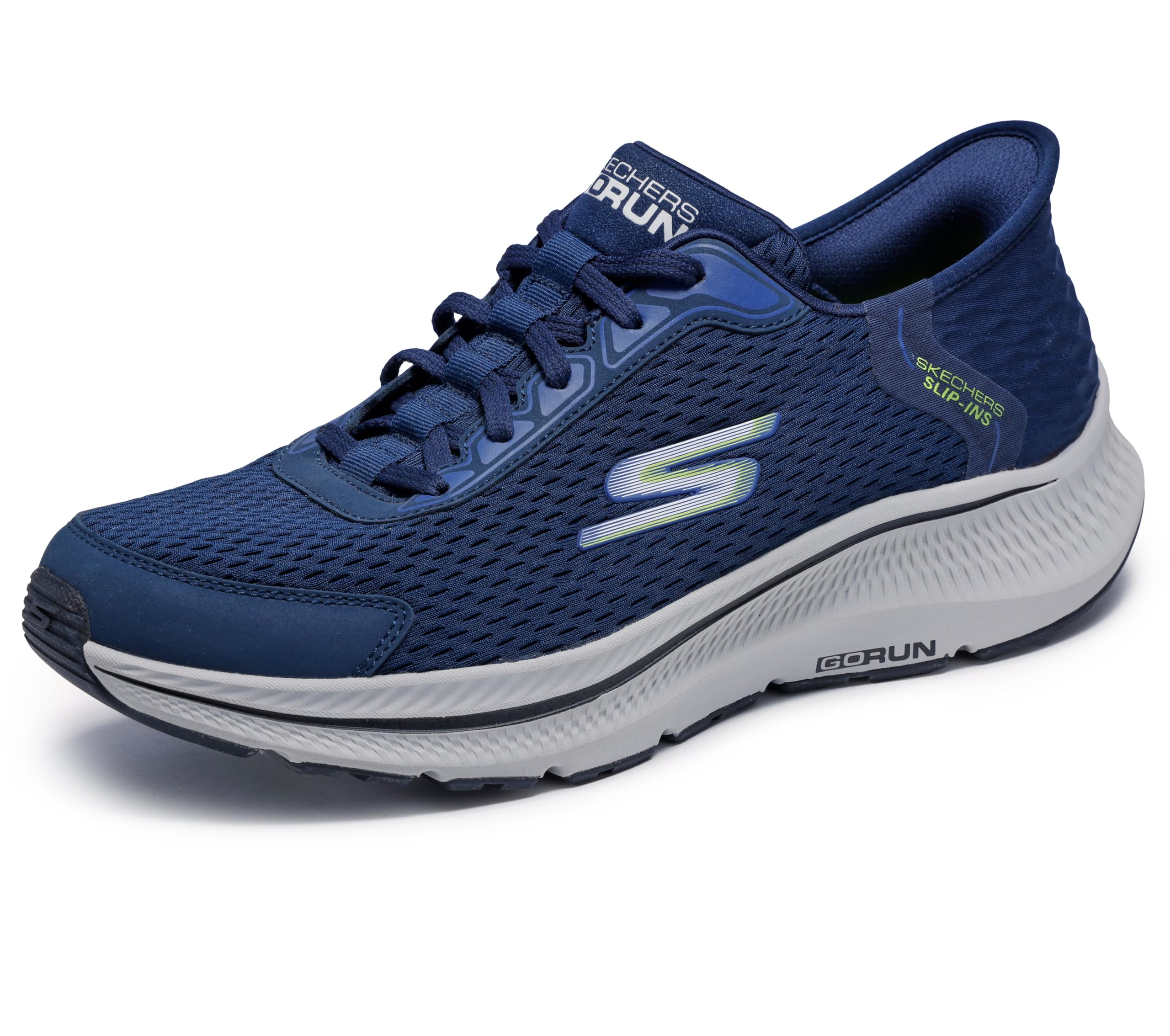
Skechers Go Run Consistent 2.0

Top Pick
Skechers Go Run Consistent 2.0

Daily training & comfort

Our Score 9.2/10
Check Price

Worth Noting

  • Slip-on design may feel less secure during high-intensity runs
  • Not for runners who prefer adjustable lace lockdown
Durability
Fit & Sizing
True to size, slip-on
Cushioning Type
Plush
Read the full review

Plush cushioning and a supportive foam midsole deliver immediate comfort that holds up over long miles. The slip-on design adds everyday convenience, though it cannot match the adjustable tension of laces during quicker runs. Build quality and arch support are consistent, and most runners will find the fit accurate out of the box.

This shoe is built for daily runners with normal to wide feet who value comfort and ease of use. Runners seeking a locked-down feel for high-intensity work or those who prefer traditional laces should look elsewhere — the slip-on tradeoff is real, but for steady-paced training and walking, it is a minor consideration.

Bottom line: For daily runs and long walks, this Skechers model delivers a rare balance of comfort, fit, and value — just keep its limits at speed in mind.
#2

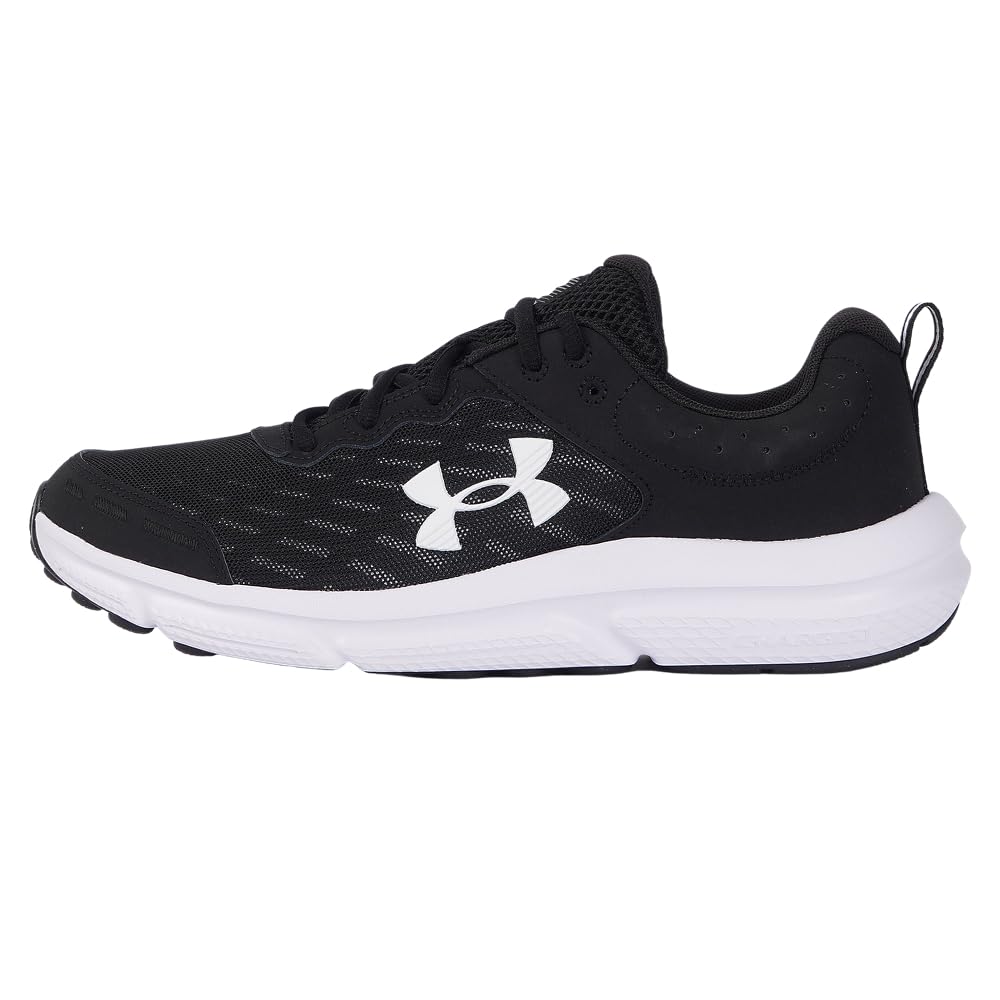
UA Charged Assert 10

UA Charged Assert 10

Budget daily training

Our Score 9.2/10
Check Price

Worth Noting

  • In standard sizing, the shoe may feel snug; ordering a half size up can help.
  • Under heavy mileage, sole separation can occur earlier than ideal.
Durability
Fit & Sizing
Runs small
Cushioning Type
Read the full review

The Charged Assert 10 delivers comfortable arch support at a budget-friendly price, a step up from the previous version in overall value. The cushioning provides good support for daily runs without breaking the bank. Sizing runs small for some, and sole durability can vary. This shoe is best for runners on a tight budget who prioritize comfort and value and can test fit in person — not ideal for high-mileage training or those who need consistent sizing without trying on.

Tip: Order a half size up if you prefer a roomier fit.

Bottom line: If you can confirm the fit and keep mileage moderate, the Charged Assert 10 offers strong comfort per dollar.

#3

Brooks Ghost 16

Brooks Ghost 16

Wide feet & support

Our Score 9.2/10
Check Price

Worth Noting

  • Outsole tread can wear thin within 300-400 miles
Durability
Outsole wear within months
Fit & Sizing
Wide options, true to size
Cushioning Type
Read the full review

The Ghost 16 stands out with plush cushioning and generous width options that comfort wide feet and high arches over long distances. Unlike lighter minimal shoes, it favors support and shock absorption — ideal for daily training but not for speedwork. The tradeoff is outsole life: expect noticeable wear around 300-400 miles, which fits runners who rotate pairs or prioritize comfort over longevity. Upper quality and fit consistency are strengths, making it a consistent choice for runners who value a smooth, stable ride.

Tip: Rotating with a second pair can extend the overall lifespan of each shoe.

Bottom line: A cushioned daily trainer best suited for runners who prioritize comfort and wide fit over maximum sole life.

#4

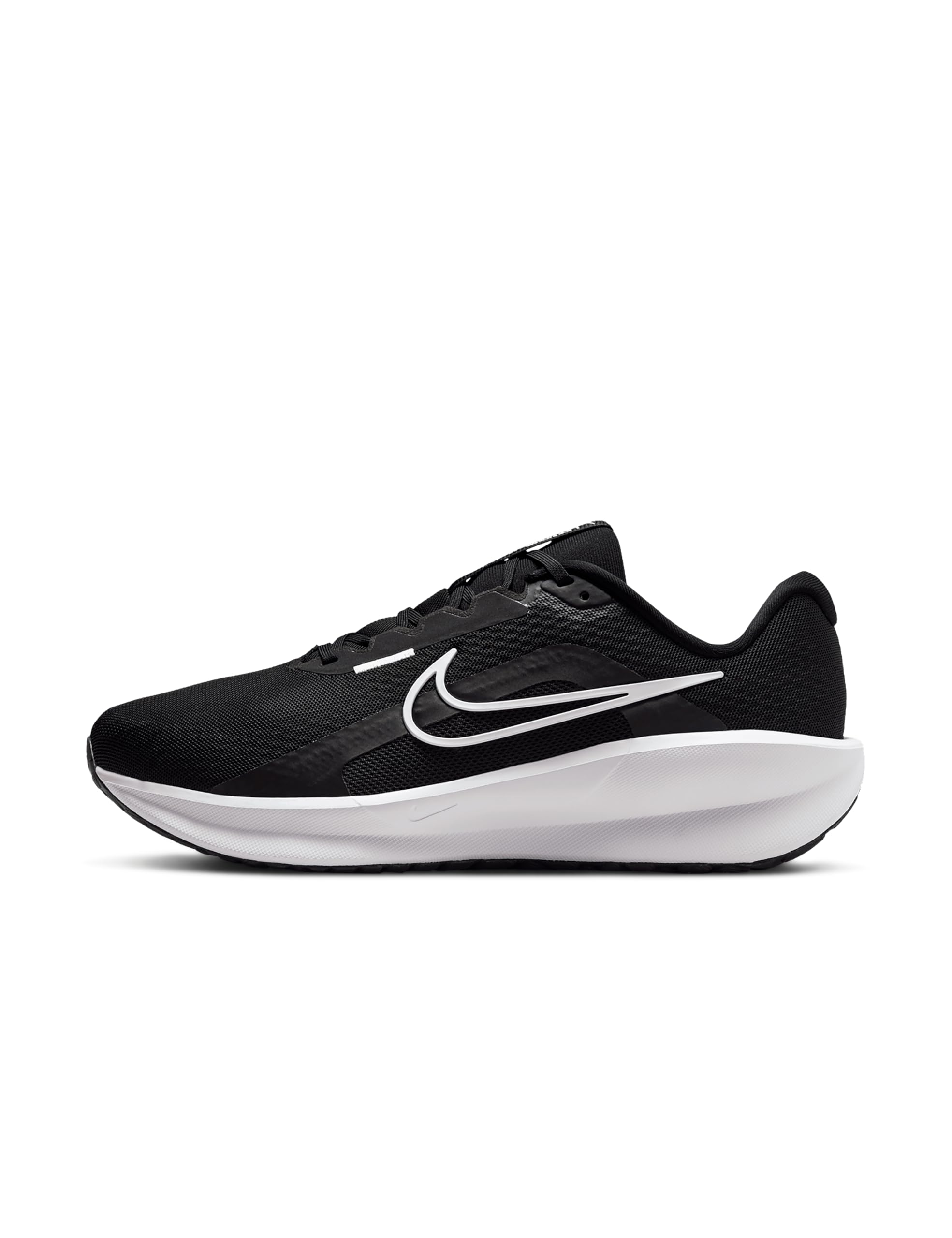
Nike Downshifter 13

Nike Downshifter 13

Lightweight speed work

Our Score 9.2/10
Check Price

Worth Noting

  • Firm foam may feel harsh on extended easy runs
Durability
Fit & Sizing
Wide available, true to size
Cushioning Type
Firm, responsive
Read the full review

The Downshifter 13 is a lightweight, responsive daily trainer that shines during faster-paced runs. Its wide-fit option accommodates broader feet without sacrificing lockdown, and the foam delivers a firm, snappy feel underfoot.

This isn't the shoe for plush, leisurely miles — the cushioning is firm and may feel lacking on longer, slower efforts. Runners who prefer a more responsive ride and need a wide size will find good value here, but heavy runners or those logging high mileage should consider cushier alternatives.

Tip: Swap in a cushioned insole if you plan to use them for longer distances.

Bottom line: A responsive daily trainer suited to fast runs and wider feet — not the top choice for cushioned recovery miles.

#5

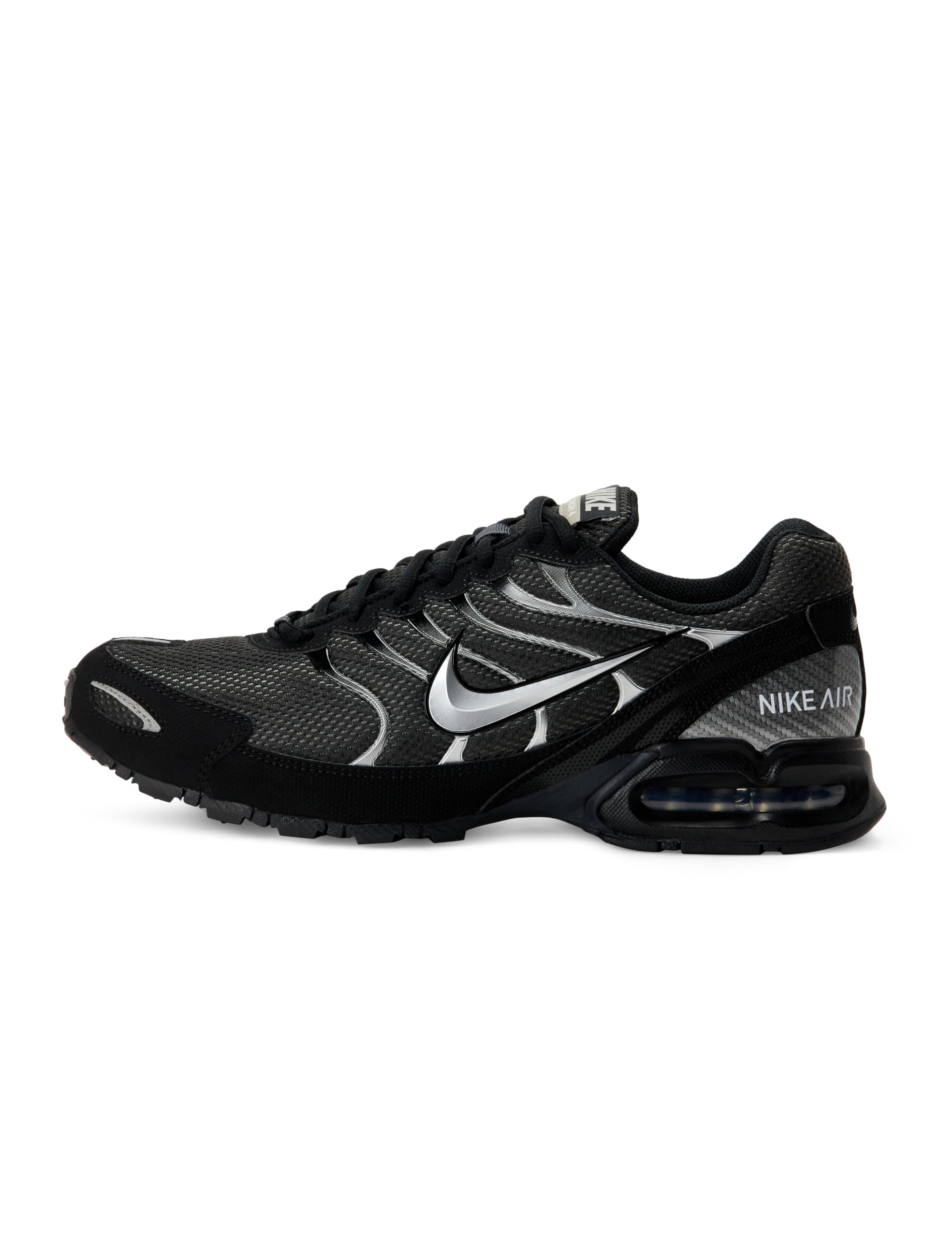
Nike Air Max Torch 4

Nike Air Max Torch 4

Classic everyday run

Our Score 9.2/10
Check Price

Worth Noting

  • Sizing runs small; requires half-size increase for proper fit
  • Outsole may wear quicker than some competing models over time
Durability
Mixed sole wear
Fit & Sizing
Runs small
Cushioning Type
Air cushion, plush
Read the full review

The Air Max Torch 4 delivers the plush air-cushioned ride that Nike is known for, paired with a durable upper that holds up to regular use. This shoe suits runners who prefer a traditional feel over modern lightweights. However, sizing runs small — ordering a half size up is a good safeguard — and the outsole may show wear sooner than some other daily trainers.

Tip: Order half a size up to avoid toe crowding, especially for longer distances.

Bottom line: If you value classic Nike comfort and don't mind a snugger fit that can be resolved with sizing up, the Air Max Torch 4 is a solid daily trainer — just keep an eye on sole wear for mileage tracking.

#6

UA Charged Assert 9

UA Charged Assert 9

Budget gym & run

Our Score 9.2/10
Check Price

Worth Noting

  • Narrow fit requires sizing up, especially for wider feet.
Durability
Sole separation possible
Fit & Sizing
Runs small, narrow
Cushioning Type
Charged cushioning
Read the full review

This Under Armour model provides the plush cushioning and lightweight feel that many runners want for everyday training. The main drawbacks are a narrow fit that may require sizing up and occasional sole separation after extended use. Given that the Assert 10 is available for less, this older version makes sense only for those who specifically prefer its design or have already tested its fit.

Bottom line: Best suited for runners who have previously worn this model and know the fit works for them; otherwise, the Assert 10 is the better budget choice.

#7

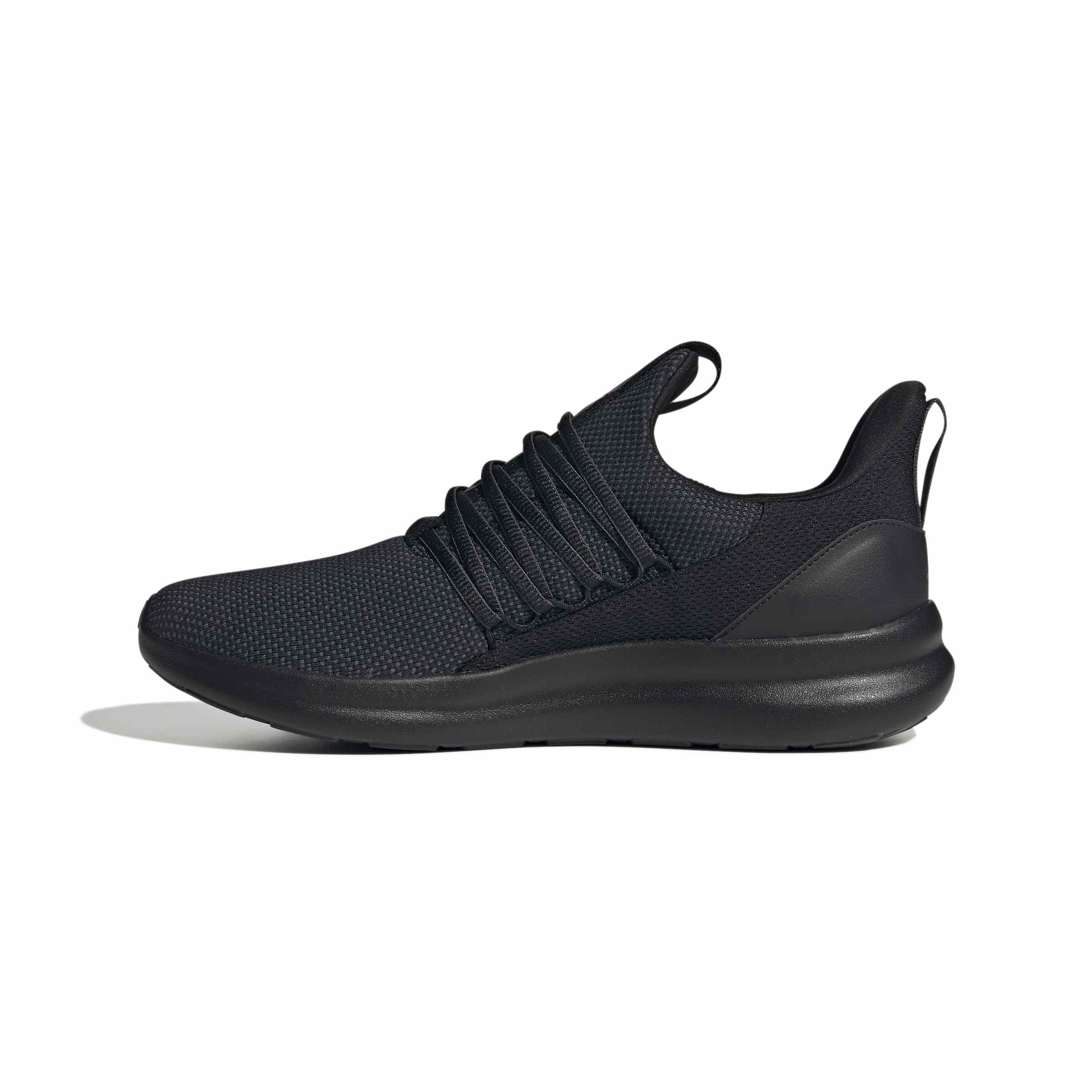
Adidas Lite Racer Adapt 7.0

Adidas Lite Racer Adapt 7.0

Casual occasional run

Our Score 9.0/10
Check Price

Worth Noting

  • Outsole can wear down quickly, reducing traction within months
Durability
Soles wear quickly
Fit & Sizing
Narrow fit
Cushioning Type
Soft
Read the full review

Comfortable slip-on convenience and classic Adidas styling come at a very low price. The outsole can wear down within months, so this shoe is best for occasional use rather than daily running. Narrow fit may be an issue for wider feet.

Bottom line: A good pick for budget-conscious runners who prioritize style and slip-on ease for short, occasional runs.

How to Choose

Fit and Sizing

Running shoe sizing varies significantly between brands and even between models from the same brand. A size 10 in Nike may feel like a 9.5 in Under Armour, and width options are not universal. Ignoring width can lead to blisters, black toenails, or a loose heel that compromises your stride.

Always check recent reviews for fit guidance, especially if you have wide feet. Many budget models run narrow over the midfoot, while premium lines like Brooks offer multiple width options. Ordering half a size up or selecting a wide version can solve most fit complaints.

Cushioning Type and Responsiveness

Cushioning falls on a spectrum from plush (soft, energy-absorbing) to firm (responsive, energy-returning). Plush cushioning feels comfortable on impact but can feel unstable for speed work and may dull ground feel. Firm cushioning offers better feedback and efficiency for tempo runs but can cause discomfort on longer, slower miles.

Your running style and surface determine the right choice. Daily trainers for pavement often benefit from a balanced mid-range cushion, while trail runners need firmer platforms. If you're unsure, a shoe with a neutral cushioning profile - not too plush, not too firm - is the safest starting point.

Durability of the Outsole

Outsole rubber compound and tread depth dictate how many miles a shoe lasts. Softer rubber grips better but wears faster, especially on asphalt. Harder rubber lasts longer but can feel slick on wet surfaces. Most daily trainers in the $50-80 range see outsole wear by 300-400 miles.

Check whether the outsole has a continuous rubber layer or exposed foam. Exposed foam wears much faster and is common in budget shoes. For high-mileage runners, a shoe with a full-length carbon rubber outsole will outlast a blown rubber or foam-only design by hundreds of miles.

Arch Support Level

Arch support is not just about height - it's about the shape and stiffness of the midsole. A medial post or a firmer density under the arch can correct overpronation, but it may feel intrusive for neutral runners. Shoes with removable insoles allow you to swap in custom orthotics if needed.

Low arches need more structured support to prevent the foot from rolling inward. High arches require cushioning to absorb shock, not rigid support. The best way to gauge your arch type is the wet test or a gait analysis at a running store.

Weight and Breathability

A lighter shoe (under 10 oz) reduces fatigue on speed days but often sacrifices cushioning and outsole durability. Heavier trainers (11-13 oz) offer more protection and longevity but can feel clunky for faster paces. Breathability comes from mesh density and ventilation holes - tighter mesh traps heat, open mesh lets debris in.

For warm weather or long runs, prioritize a well-ventilated upper. For winter or wet conditions, a denser mesh or water-resistant coating adds warmth but reduces breathability. The right balance depends on your climate and running calendar.

Frequently Asked Questions