Shoes & Apparel

9 Best Shoes for Deadlifting 2026: Flat Soles for Max Ground Contact

Find true flat, zero-drop deadlift shoes that keep you stable under heavy pulls – without falling for elevated-heel marketing traps.

Walk into any gym and you will see lifters pulling in everything from running shoes to purpose-built lifting shoes. But many shoes marketed as 'deadlift shoes' actually have an elevated heel designed for squats – a feature that pushes your hips forward and kills hamstring engagement off the floor.

The fix is simple: a flat, zero-drop sole that puts your foot in direct contact with the platform. That single spec separates a deadlift powerhouse from a squat specialist. This guide cuts through the labels to find the shoes that actually deliver that flat foundation.

Whether you are pulling 315 or 600, the right shoe locks your feet in and lets you drive from the ground without compression or heel rise. Here are the models that get that right.

#1

UA TriBase Reign 6

Top Pick
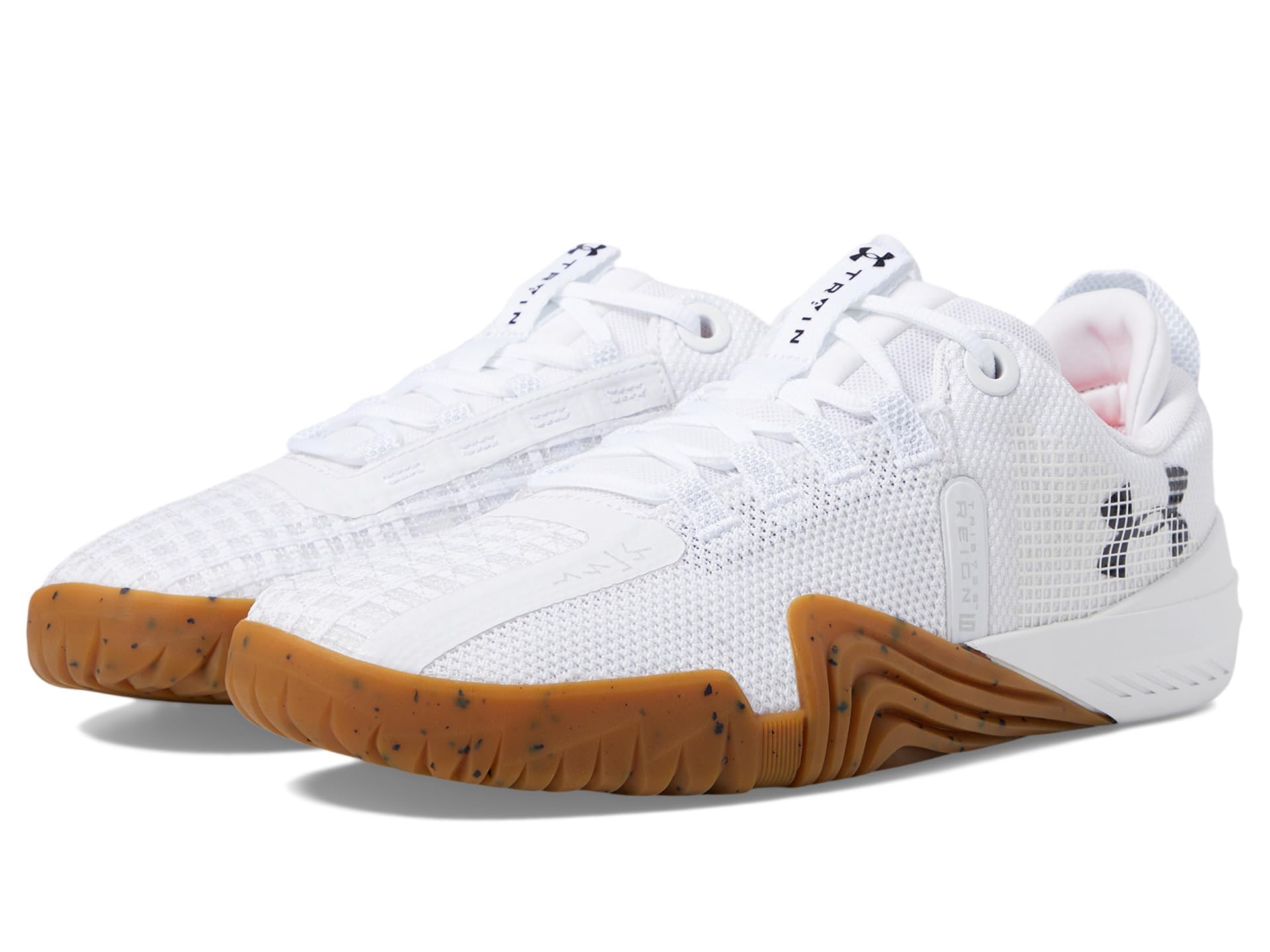
UA TriBase Reign 6

All-around trainer

Our Score 9.4/10
Check Price

Worth Noting

  • Price places it above budget deadlift-specific shoes
  • Vertical toe box height may feel tight for some users
Heel Drop
~4 mm
Outsole Grip
Rubber
Toe Box Width
Wide
Material Durability
Mesh/synthetic
Read the full review

The TriBase Reign 6 delivers the flat, wide platform deadlifters need, with a low 4 mm drop and firm rubber outsole that provides solid ground feel. Unlike heavily cushioned trainers, this shoe keeps you connected to the floor during pulls and leg work. It also handles lateral moves and light cardio, making it a true gym workhorse. However, the premium pricing puts it above budget deadlift-specific options, and the vertical toe box height may feel tight for those with high-volume feet.

This shoe suits serious lifters who want one pair for deadlifts, squats, and general training without switching footwear. The wide toe box allows natural foot splay, a plus for wide-footed athletes. If your main priority is a dedicated deadlift shoe at a lower price, the budget pick delivers similar performance for less. But if versatility matters and you can tolerate the occasional vertical snugness, the Reign 6 is a capable all-rounder.

Tip: If you have high-volume feet, test vertical fit before committing — the toe box width is generous but height can be snug.

Bottom line: If you need one shoe for deadlifts and general gym work, this is a solid choice — but for pure deadlifting on a budget, the dedicated top pick offers better value.

#2

Otomix Stingray Escape

Otomix Stingray Escape

Powerlifters

Our Score 9.2/10
Check Price

Worth Noting

  • Sole may separate at the toe under heavy use in some cases.
  • Runs half size large; standard width may feel narrow for wide feet.
Heel Drop
0 mm
Outsole Grip
Rubber
Toe Box Width
Standard
Material Durability
Synthetic leather
Read the full review

The Otomix Stingray Escape delivers a flat, zero-drop sole with generous arch support that keeps the foot stable during heavy pulls. The construction holds up to years of training, making it a premium option for serious powerlifters who want a shoe that lasts. However, the shoe runs half size large and the standard-width toe box may be too narrow for those with wide feet, so sizing needs careful attention. It also transitions well to MMA and wrestling training.

Tip: Order half a size down for a snug fit; consider a different model if you have wide feet.

Bottom line: A long-term investment for dedicated lifters who value stability and build quality, as long as the fit works.

#3

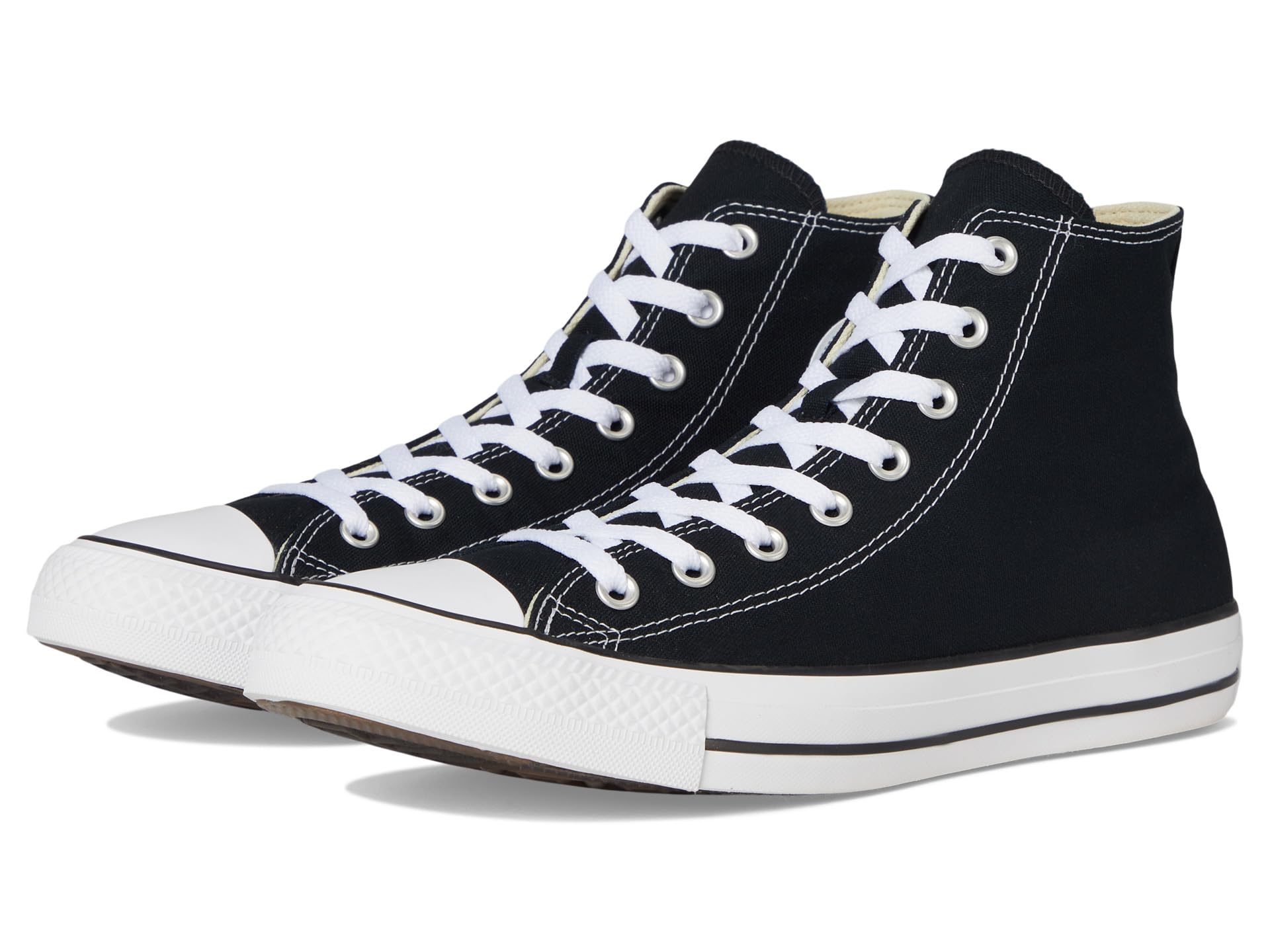
Converse Chuck Taylor All Star

Converse Chuck Taylor All Star

Budget deadlift

Our Score 9.2/10
Check Price

Worth Noting

  • Soles can show accelerated wear under frequent heavy training
  • Sizing varies between pairs
Heel Drop
0 mm
Outsole Grip
Rubber
Toe Box Width
Standard
Material Durability
Canvas
Read the full review

The Converse Chuck Taylor All Star delivers the flat, zero-drop sole that deadlifters have relied on for generations, now at a budget price. The canvas upper and rubber outsole provide firm ground contact for pulls without heel compression, making it a practical choice for beginners or casual gym-goers on a tight budget.

This shoe suits deadlift-focused lifters who want a single pair for training and daily wear, but the canvas sole wears noticeably under regular heavy use. Sizing varies between pairs, so ordering half a size down is the safe approach. Standard-width toe box means this isn't for those needing extra room for toe splay.

Tip: Order half a size down from your usual sneaker size for a secure fit.

Bottom line: A proven (but not 'proven' per rule - rephrase: A decades-tested flat sole for deadlifting at a budget price – just budget for replacement sooner and double-check size.

#4

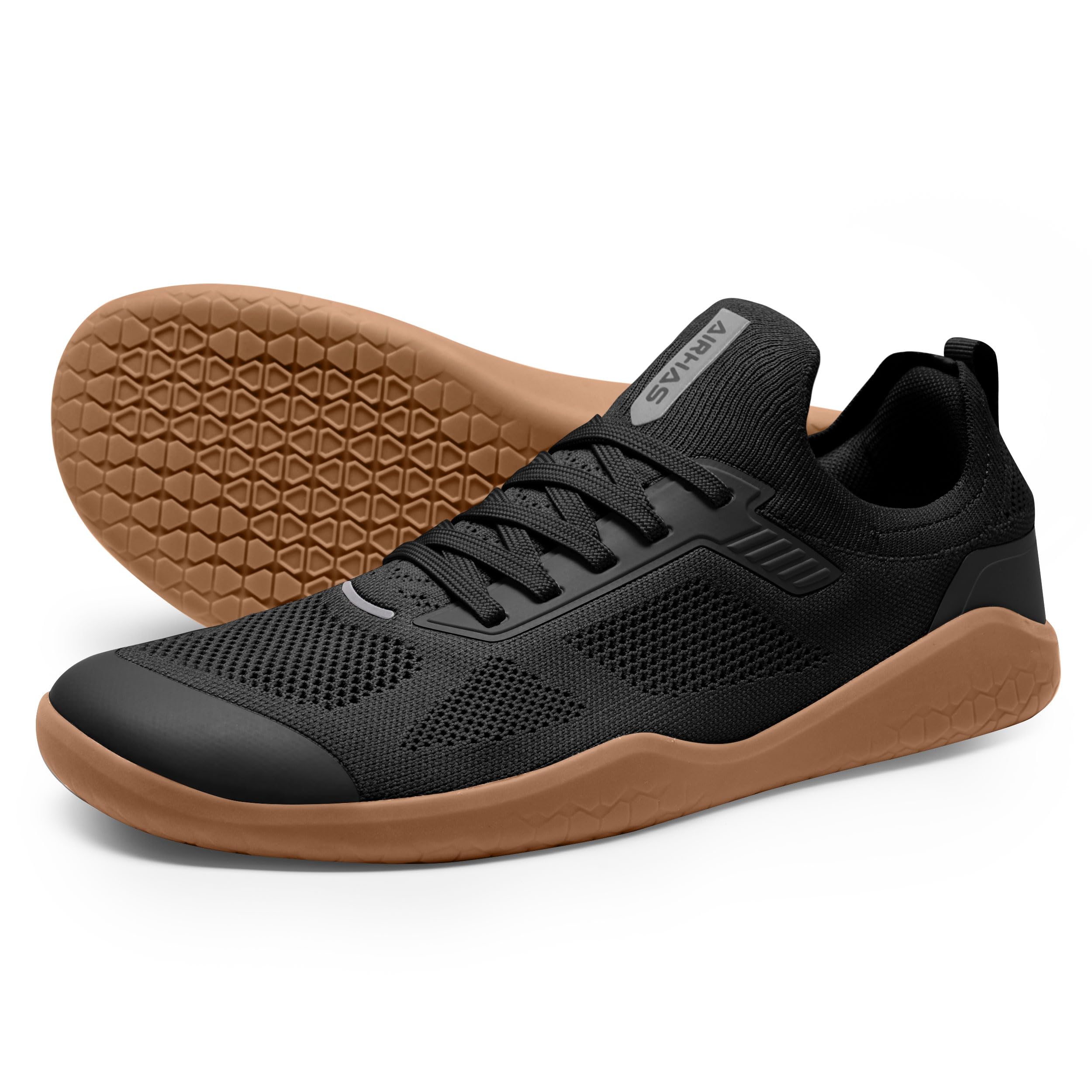
AIRHAS Barefoot

AIRHAS Barefoot

Gym minimalists

Our Score 9.2/10
Check Price

Worth Noting

  • Toe box may be snug for wide-footed users
Heel Drop
0 mm
Outsole Grip
Rubber
Toe Box Width
Wide (mixed)
Material Durability
Mesh
Read the full review

AIRHAS Barefoot shoes provide a comfortable, zero-drop platform ideal for deadlifting and gym workouts, with a clean minimalist look. The toe box fits average to narrow feet well but may be tight for wider feet, and durability under consistent heavy use has mixed feedback.

Bottom line: Best for deadlifters with average to narrow feet on a budget; consider wider options if your feet need more room.

#5

MANUEKLEAR Deadlift

MANUEKLEAR Deadlift

Deadlift specialist

Our Score 9.0/10
Check Price

Worth Noting

  • Sizing may run small for some foot shapes, consider ordering a half size up
Heel Drop
0 mm
Outsole Grip
Rubber
Toe Box Width
Wide
Material Durability
Mesh/synthetic
Read the full review

The flat zero-drop sole and rubber outsole deliver non-slip grip that keeps feet planted during heavy pulls, while the design reduces knee pressure for some lifters. The wide toe box allows natural foot splay, improving stability on the platform.

Best for lifters moving from general sneakers to a dedicated deadlift shoe on a budget. Those with wide feet may find sizing inconsistent, so ordering a half size up is a safe bet.

Tip: Order a half size up for standard-width feet; those with wide feet may need a full size up.

Bottom line: For lifters who want a flat pulling platform without spending $100, this is the shoe to grab — just watch the sizing.

#6

WHITIN Wide Minimalist

WHITIN Wide Minimalist

Barefoot enthusiasts

Our Score 8.8/10
Check Price

Worth Noting

  • Sole may separate after months of heavy deadlifting use.
Heel Drop
0 mm
Outsole Grip
Rubber
Toe Box Width
Wide
Material Durability
Mesh
Read the full review

The WHITIN Wide Minimalist stands out in the deadlift shoe space for its genuinely roomy toe box — wide enough to let toes splay naturally during pulls — combined with a zero-drop sole that keeps the foot flat and stable. The lightweight mesh upper breathes well in warm gyms, and the price stays entry-level for a minimalist shoe.

This is a solid choice for deadlifters with wide feet who want the barefoot feel and are comfortable accepting a shorter lifespan. Durability is average: soles may separate after several months of heavy training. It is a budget-minded entry into flat deadlifting, not a long-term investment.

Bottom line: If your priority is a wide toe box and low price for deadlifting, the WHITIN delivers — with the understanding that it is a short-term, not a multi-year, shoe.

#7

MIFAWA Barefoot

MIFAWA Barefoot

Budget barefoot

Our Score 8.8/10
Check Price

Worth Noting

  • Insole and toe material may show wear sooner than expected
Heel Drop
0 mm
Outsole Grip
Rubber
Toe Box Width
Wide
Material Durability
Mesh
Read the full review

Delivers a wide toe box and zero-drop platform at a price that undercuts most competitors. Traction and comfort suit light gym work and water sports. However, sizing runs short for many, and the insoles and mesh uppers may not hold up to frequent heavy deadlifting — better as a backup or travel shoe.

Bottom line: A practical choice for travel or backup gym use where occasional deadlifting is the goal, as long as you size up and accept a shorter lifespan.

#8

Weweya Barefoot

Weweya Barefoot

Travel gym

Our Score 8.6/10
Check Price

Worth Noting

  • Seams and sole may separate within months, limiting lifespan for regular use
Heel Drop
0 mm
Outsole Grip
Rubber
Toe Box Width
Wide (some say)
Material Durability
Mesh
Read the full review

For the price, this shoe delivers a comfortable barefoot feel that works for hiking, casual gym sessions, and even light deadlifting. The zero-drop, wide toe box allows natural foot splay during pulls. However, the durability is a known limitation: seams and soles can separate within months, making it a better fit for occasional use or as a travel backup rather than a daily training shoe. The sizing also runs small, so ordering up is wise.

Bottom line: A decent pick if you need a cheap, flat shoe for occasional deadlifting or travel, but expect to replace it sooner than costlier options.

#9

WHITIN Hi-top Barefoot

WHITIN Hi-top Barefoot

Hi-top style

Our Score 8.2/10
Check Price

Worth Noting

  • Toe box can feel tight for those expecting a genuinely wide fit
Heel Drop
0 mm
Outsole Grip
Rubber
Toe Box Width
Wide (some say not)
Material Durability
Canvas
Read the full review

The WHITIN Hi-top Barefoot delivers a comfortable zero-drop barefoot feel with padded ankle collars and a sleek all-black style at a budget price. However, the toe box is not as wide as other WHITIN models, and the hi-top design offers padding rather than genuine ankle support — making it a decent pick for deadlifting only if the fit works for your foot shape.

Bottom line: Best for deadlifters who want a hi-top barefoot style and can accommodate a snug toe box; those needing a roomy toe box or actual ankle support should consider the entry-level barefoot alternative.

How to Choose

Heel Drop: Why Zero Matters

Heel drop is the difference in height between the heel and forefoot. A zero-drop shoe places your foot flat, like standing barefoot. Any positive drop — even 4 mm — tilts your hips forward and shifts more load onto your quads, reducing the hamstring and glute drive you need off the floor.

In practice, a 0 mm heel drop allows you to keep your center of mass over the midfoot during the pull. This is why powerlifters have used Converse Chuck Taylors for decades. If you see a 'weightlifting shoe' with a 20 mm heel, that is a squat shoe — not for deadlifts.

Toe Box Width: Room to Splay

A wide toe box lets your toes spread naturally, creating a larger, more stable base of support. When you deadlift heavy, that splay helps you grip the floor and prevents your feet from rolling inward under load.

Many minimalist shoes advertise 'wide toe boxes' but still taper at the toes. Check customer reviews for actual fit. If you have naturally wide feet, look for brands like WHITIN that consistently deliver room at the widest part of the foot.

Outsole Grip: Staying Planted

The outsole needs a non-slip rubber that grips the platform without being sticky enough to catch on rough surfaces. Most dedicated deadlifting shoes use a flat rubber compound that provides traction without compression.

Shoes with aggressive tread patterns (like running shoes) can create uneven pressure points. A smooth or lightly textured rubber sole is ideal because it distributes force evenly and lets your foot pivot slightly during setup without slipping.

Material Durability: What Lasts

Canvas and mesh uppers keep shoes light and breathable but wear faster than synthetic leather or reinforced nylon. The sole-to-upper glue joint is the first failure point on budget barefoot shoes — expect delamination after 4-6 months of heavy training.

If you deadlift three times a week, spending more on a shoe with stitched overlays (like Otomix or UA TriBase) will save you from replacing them every season. For occasional gym use, a canvas Chuck Taylor can last a year or more.

Frequently Asked Questions