Shoes & Apparel

11 Best Cross Training Shoes for Flat Feet 2026: Arch Support That Lasts

Flat feet need real arch support and a stable base. Find cross trainers that deliver both without the sole separation.

Cross-training shoes for flat feet often promise support, but the reality is that many use a generic insole that fails to control overpronation. Without proper structure, every squat and lateral move can aggravate arch strain. The real need is a shoe that combines medial arch support with a wide, stable base.

This guide focuses on models that deliver that structure in the gym – for lifting, HIIT, and light cardio. They also respect the wider foot shapes that frequently accompany flat arches, with options ranging from standard to extra-wide. The result is a shoe that stays planted during heavy lifts and comfortable for warm-up jogs.

Durability is a frequent frustration, especially in budget-friendly options. The picks here balance comfort and lifespan, so you're not replacing shoes every three months. And because no shoe is perfect for everyone, each pick includes honest notes on sizing quirks and sole stiffness.

#1

UA Project Rock 5

Top Pick
UA Project Rock 5

Gym, neutral arches

Our Score 9.4/10
Check Price

Worth Noting

  • Lacks built-in arch support
Heel Drop
4mm
Read the full review

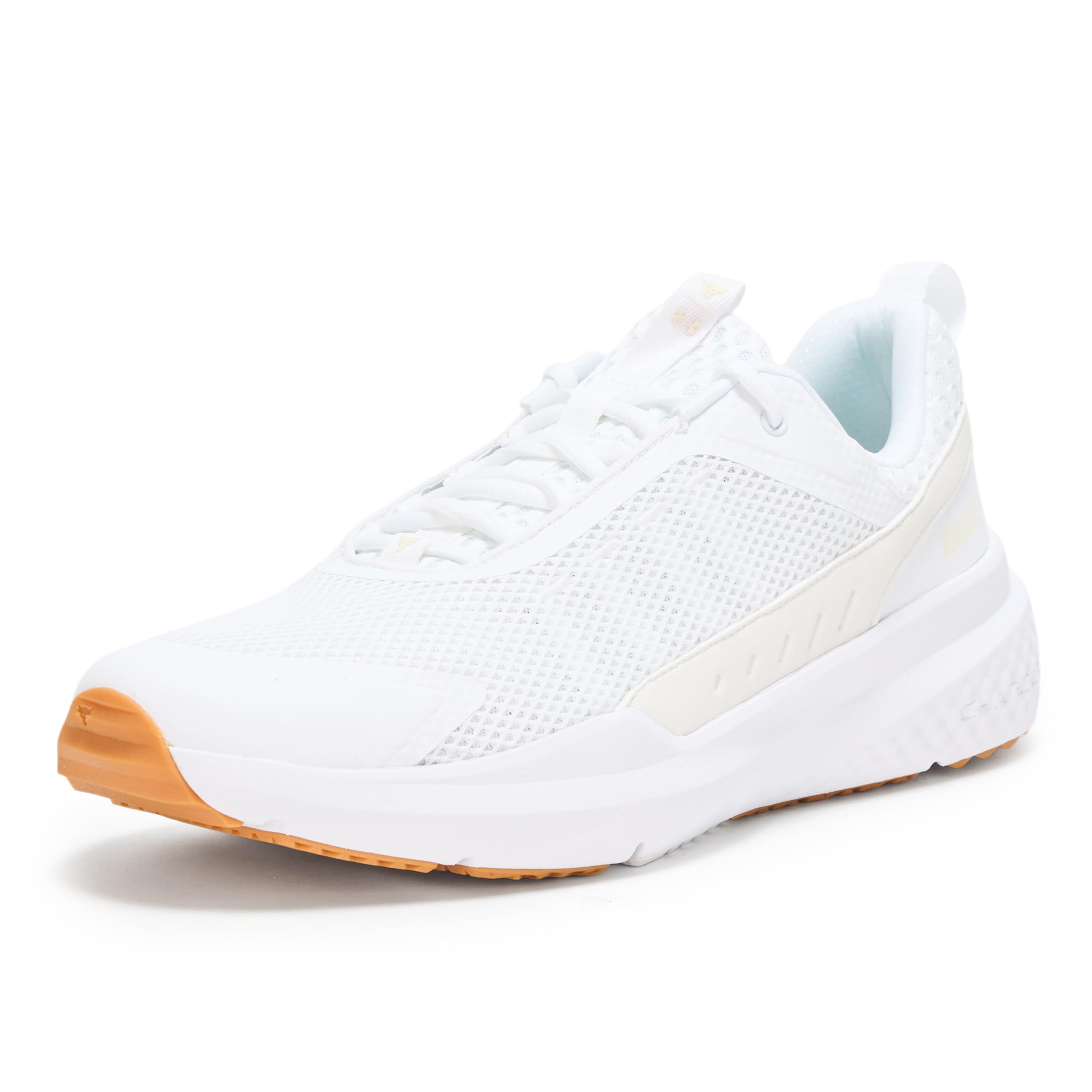
This lightweight trainer delivers solid comfort for gym sessions, from HIIT to weightlifting, and fits true to size with a stable base. It lacks built-in arch support, so anyone with flat feet will need to add aftermarket insoles. Outsole durability has been inconsistent, making it a better fit for those who prioritize weight and feel over long-term ruggedness.

Bottom line: Best for neutral-arched gym-goers or those willing to add orthotics for flat-foot support.
#2

New Balance 608 V5

New Balance 608 V5

Flat feet, wide

Our Score 9.2/10
Check Price

Worth Noting

  • Sizing can be inconsistent
  • Sole separation and outsole wear can occur after months of heavy use.
Heel Drop
12mm
Read the full review

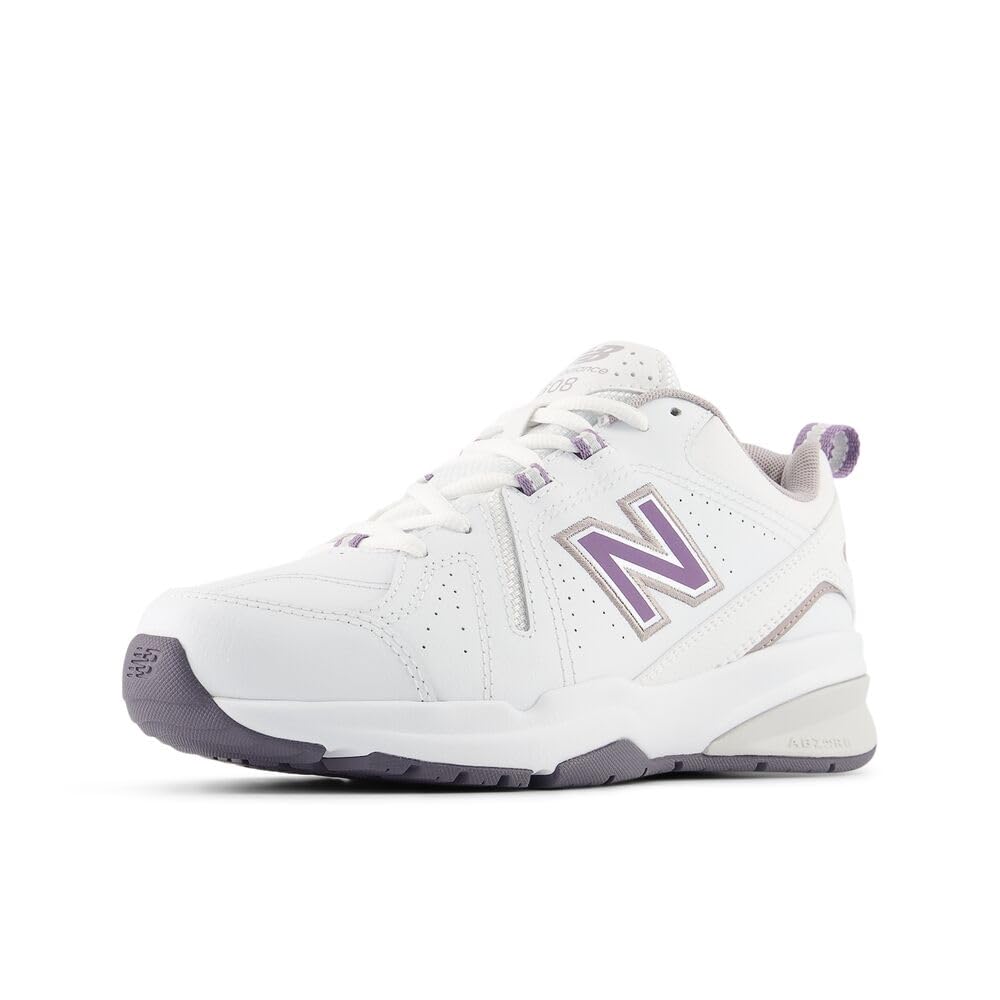
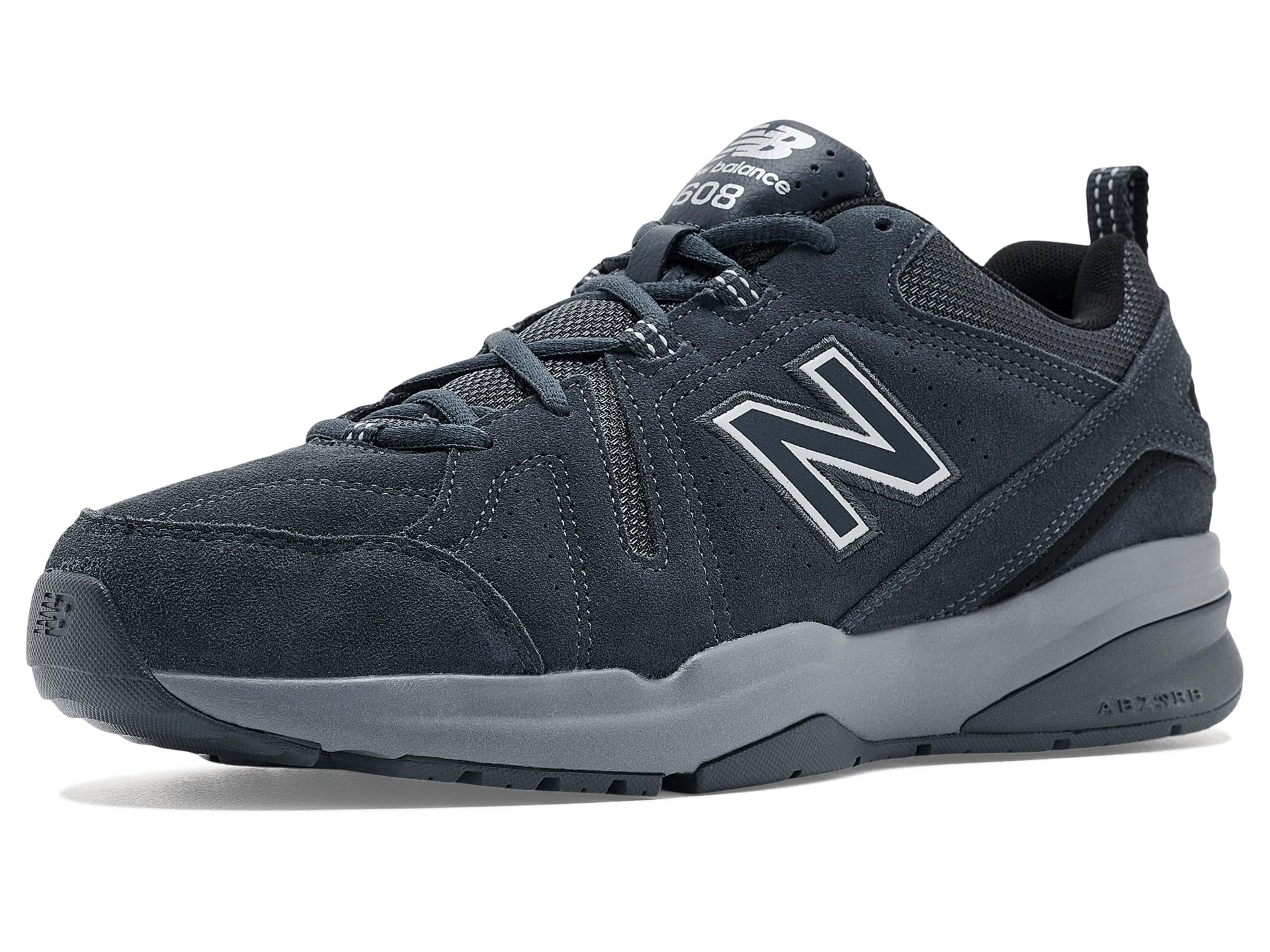
The New Balance 608 V5 provides arch support that relieves pressure under flat arches. Its wide toe box and 4E width options accommodate wide, flat feet without pinching. The 12mm heel drop offers a comfortable stride for walking and light gym work, and the mid-range price makes this level of support accessible.

Under moderate use, the cushioning holds up well for cardio and light resistance training. The mesh upper breathes adequately, though synthetic overlays may feel stiff initially. Over several months, the EVA midsole maintains its shape, but the outsole can show wear on rough surfaces and sole separation has been noted in some cases.

This cross-trainer suits flat-footed gym-goers who want immediate arch support without spending over $100. It works best for casual to moderate gym routines and daily walking. For those who need a shoe for heavy lifting or daily training beyond six months, the durability trade-off is worth considering — but for its price, the support-to-cost ratio is hard to beat.

Tip: To maximize sole life, rotate with another pair and avoid rough outdoor surfaces.

Bottom line: For flat-footed gym-goers on a budget who value arch support and wide fit, the 608 V5 is the clear choice — just keep an eye on sole wear if you train daily.

#3

Nike Metcon 8

Nike Metcon 8

Weightlifting, wide

Our Score 9.2/10
Check Price

Worth Noting

  • Minimal arch support
  • Firm sole makes walking or all-day wear uncomfortable
Heel Drop
4mm
Read the full review

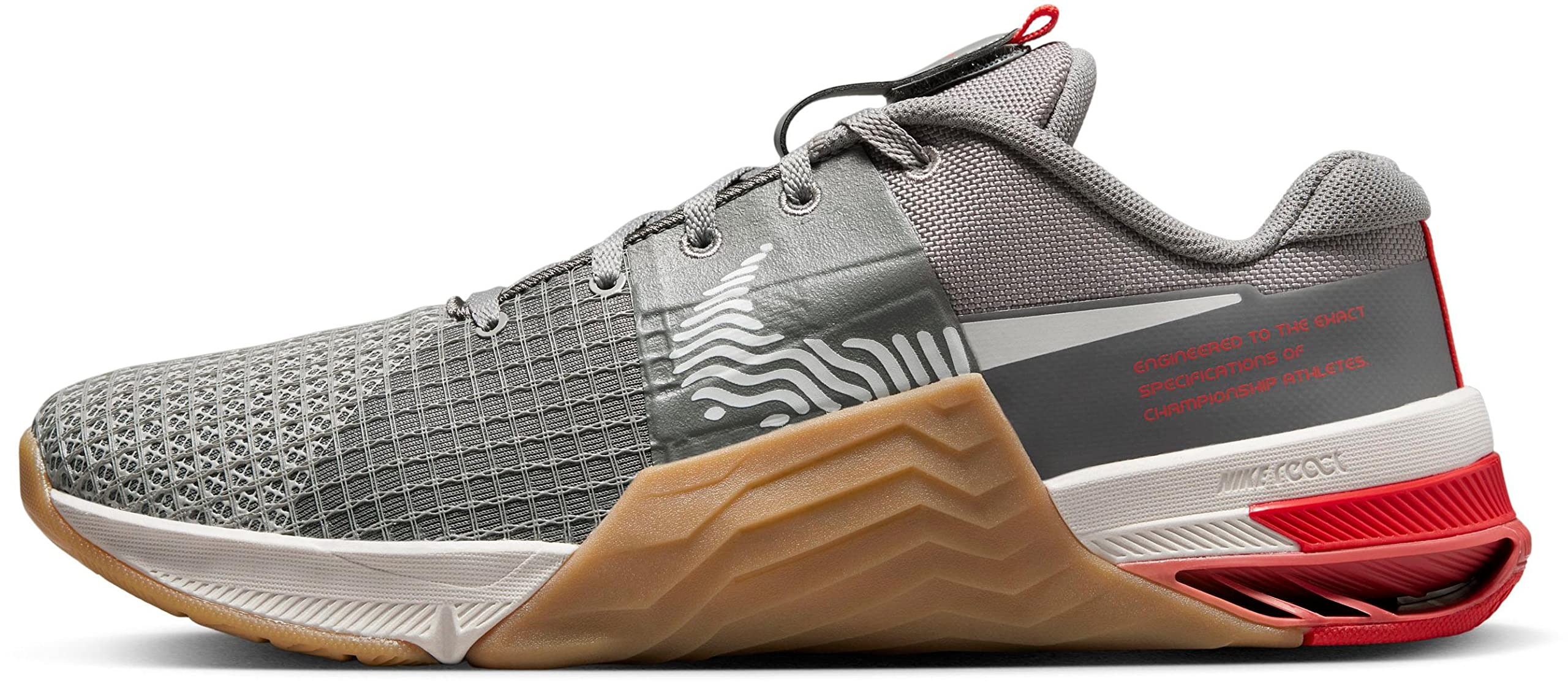
The Metcon 8 delivers a firm, flat sole that locks your feet in place under a barbell — more stable than cushioned alternatives like the Alpha Trainer 6. The wide base supports lateral moves in CrossFit without wobble.

This is a shoe for weightlifting and gym sessions where stability matters more than walking comfort. Flat-footed buyers should plan to add orthotics because the insole offers minimal built-in arch support — a trade-off that doesn’t bother lifters who prioritize a planted feel.

Tip: Swap the stock insole for a high-arch orthotic — the shoe’s removable liner makes this easy.

Bottom line: The Nike Metcon 8 is for lifters who value a rigid platform and don’t mind swapping insoles for arch support. Not a walk-around shoe.

#4

Nike MC Trainer 3

Nike MC Trainer 3

Flat feet, budget

Our Score 9.2/10
Check Price

Worth Noting

  • Firm sole can feel tiring during long periods on feet
Heel Drop
8mm
Read the full review

The Nike MC Trainer 3 delivers a stable platform for lifting and light cardio, with a roomy fit that accommodates wider feet and flat arches. The sole is firm rather than cushioned, which provides good ground feel under the barbell but can feel stiff during extended standing or walking. This is a budget-conscious choice for gym-goers who want a solid, no-fuss trainer without the premium price of dedicated lifting shoes.

Tip: The stiff sole feels fine on gym floors; swap to cushioned insoles if you plan to stand or walk for extended periods.

Bottom line: A smart buy for lifters with flat feet who want stability without spending more, as long as you don't need to log miles in them.

#5

Nike Alpha Trainer 6

Nike Alpha Trainer 6

Flat feet, wide

Our Score 9.2/10
Check Price

Worth Noting

  • Squeaking may develop in some units, noticeable in quiet gym environments.
Heel Drop
Read the full review

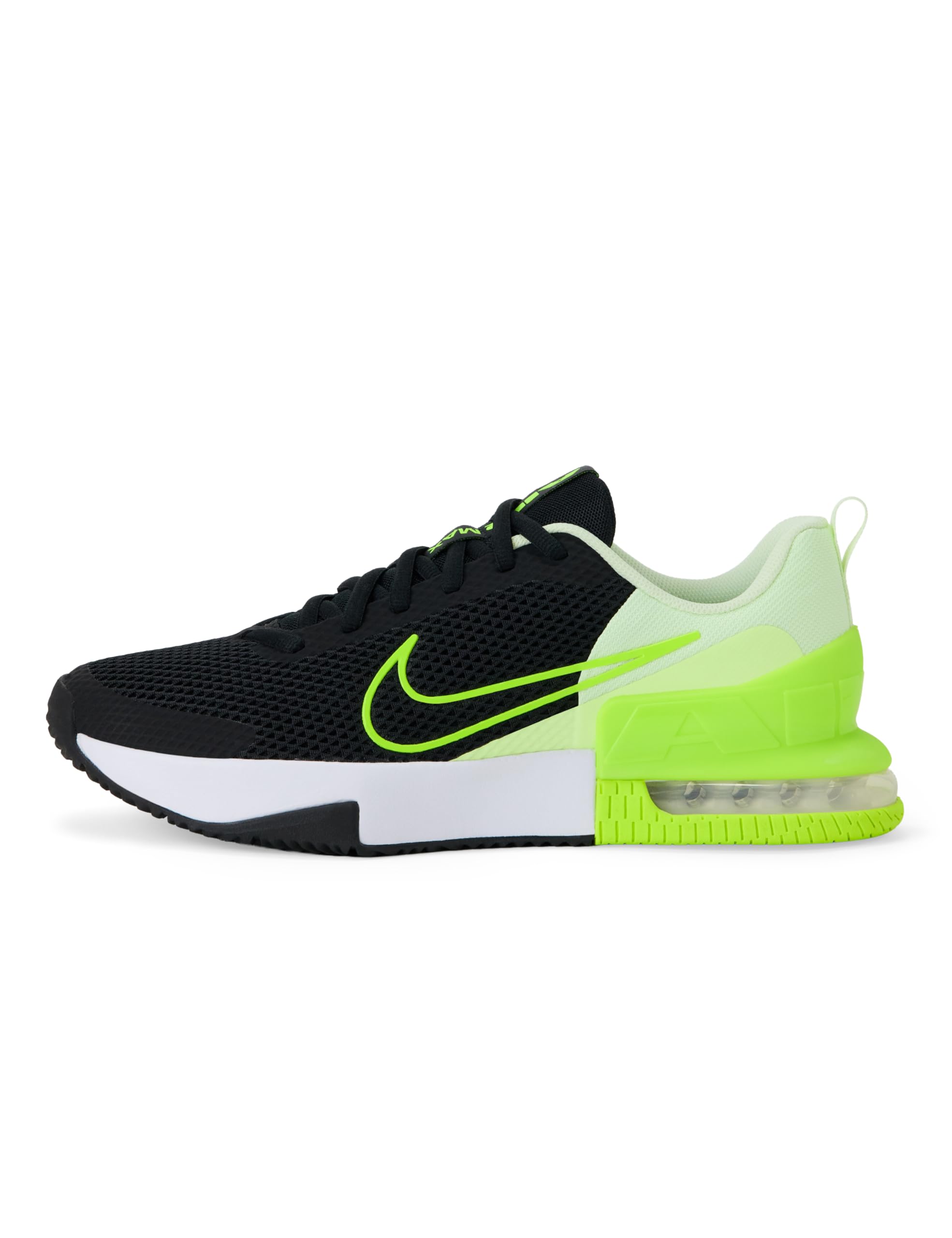
Arch support meets Max Air cushioning in a stable gym platform. This shoe pairs a wide base with a contoured arch that keeps flat feet planted during lifts, while the heel Air unit softens landings and cardio moves. It suits gym-goers who found the Metcon 8 too stiff underfoot and want a more forgiving ride. The tradeoff: some units develop a squeaking or popping sound over time, and the fit runs snug — going half a size up is recommended from the start.

Tip: Order half a size up to accommodate the snug fit and avoid toe crowding.

Bottom line: A cushioned gym shoe with genuine arch support for flat feet — order half size up and expect possible squeaking as a tradeoff for the Air Max comfort.

#6

Nike Free Metcon 5

Nike Free Metcon 5

CrossFit, HIIT

Our Score 9.2/10
Check Price

Worth Noting

  • Outsole may separate after several months of frequent training.
Heel Drop
4mm
Read the full review

The Free Metcon 5 balances lifting and running in a lightweight package. Its narrower toe box limits comfort for flat-footed users and those with wide feet. It lacks the stability for heavy overhead lifts, suiting mixed routines better.

Bottom line: For gym-goers with neutral to narrow feet who want a single shoe for dynamic workouts and short runs, this is a capable hybrid. Skip it if you need a wide toe box or dedicated arch support.

#7

K-Swiss Tubes 200

K-Swiss Tubes 200

Women flat, narrow

Our Score 9.0/10
Check Price

Worth Noting

  • Tube sole may break after a few months of use, reducing stability.
Heel Drop
Read the full review

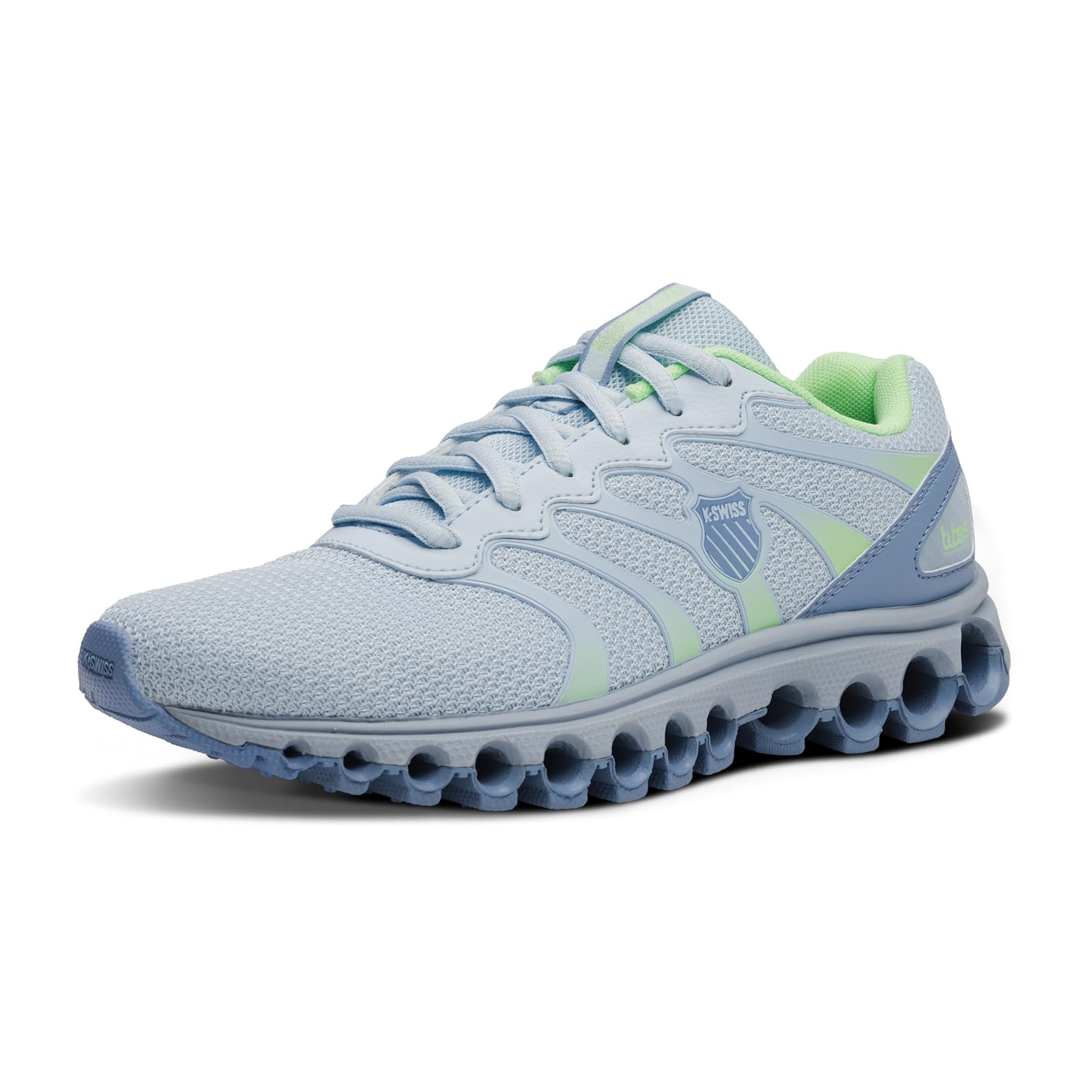
This trainer delivers good arch support and lightweight comfort for narrow flat feet. However, the tube sole can break with heavy use, so it is best for light walking and casual gym work rather than intense cross-training or lifting.

Bottom line: Best suited for women with narrow flat feet who need arch support for light gym sessions and walking, not for heavy training.

#8

NB Women's 608 V5

NB Women's 608 V5

Flat feet, wide

Our Score 8.8/10
Check Price

Worth Noting

  • Durability can vary
  • Sizing runs small; ordering half a size up is advisable for a comfortable fit.
Heel Drop
12mm
Read the full review

The women's 608 V5 delivers the same arch support and wide fit as the standard model, but at a lower price. The cushion and arch support provide immediate comfort for flat feet. However, the build is less durable – sole separation can occur sooner than on the men's version. This is best for women on a budget who prioritize comfort and fit over long-term wear, and who don't plan to use the shoes for heavy daily training.

Tip: Order half a size up for a proper fit, especially if you have wide feet.

Bottom line: A cost-effective option for women with flat feet who need quick comfort and wide sizing, as long as you are okay with replacing them sooner than higher-priced trainers.

#9

ALTRA Solstice XT 3

ALTRA Solstice XT 3

Wide toe, minimalist

Our Score 8.8/10
Check Price

Worth Noting

  • Minimal arch support requires orthotics
Heel Drop
0mm
Read the full review

The ALTRA Solstice XT 3 offers a generous wide toe box and zero-drop platform that allows natural toe splay during gym movements. However, it lacks built-in arch support, so those with flat feet need custom orthotics, and the outsole can show peeling under frequent use.

Bottom line: Best for minimalist lifters who use custom orthotics and want a wide toe box.

#10

Flux Adapt Graphene XT

Flux Adapt Graphene XT

Barefoot, wide

Our Score 8.8/10
Check Price

Worth Noting

  • No arch support
Heel Drop
0mm
Read the full review

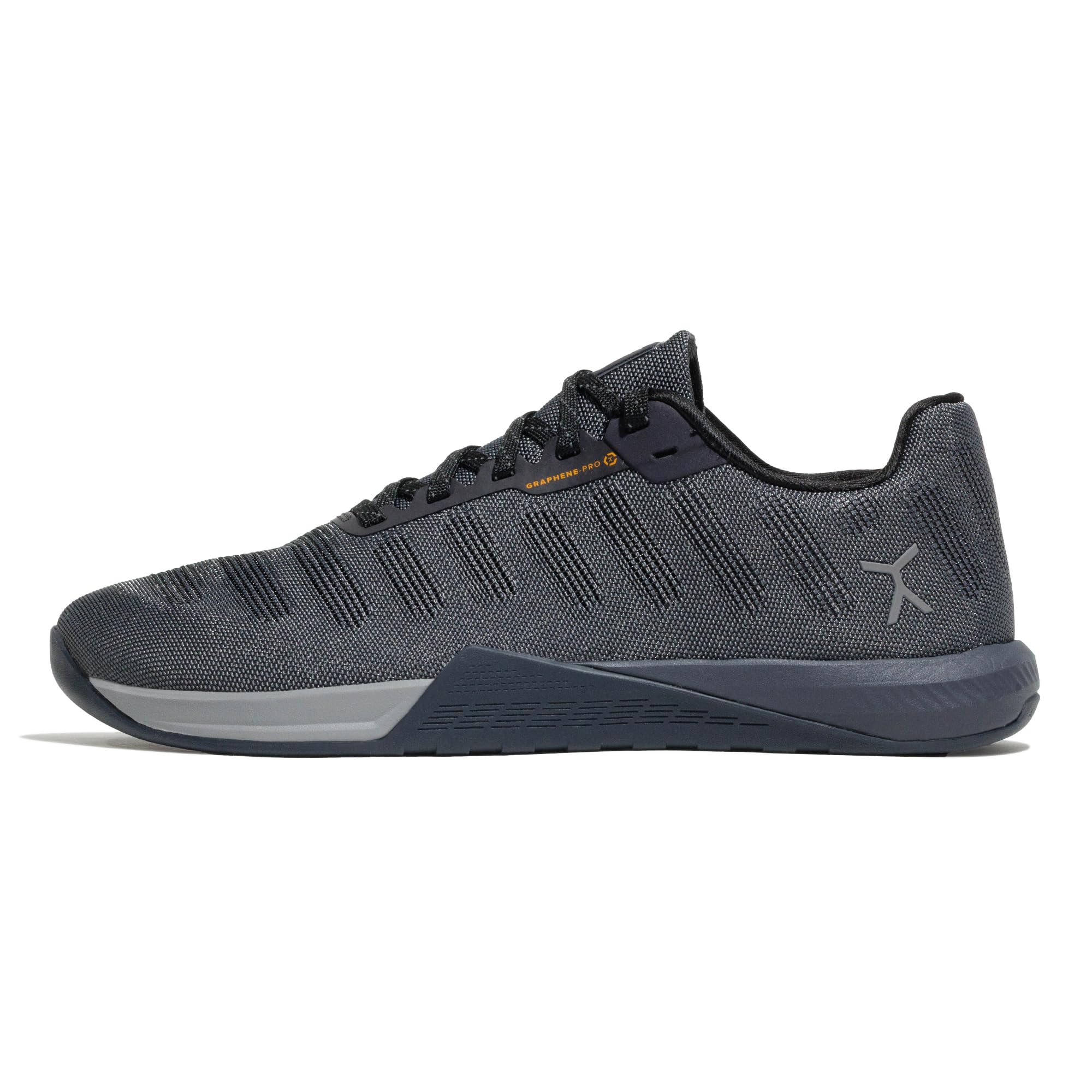
The Flux Adapt Graphene XT delivers a roomy toe box and grippy, lightweight build for gym and daily wear. Its zero-drop, flat platform suits barefoot fans but offers no arch support, so flat-footed users without orthotics may experience discomfort. Premium pricing and sizing that can be inconsistent further narrow its appeal. This shoe fits experienced minimalist athletes who already supplement with orthotics.

Bottom line: Best for barefoot enthusiasts with wide feet who already use orthotics and want a durable gym shoe with natural foot movement.

#11

Ryka Devotion Plus 3

Ryka Devotion Plus 3

Women flat, budget

Our Score 8.4/10
Check Price

Worth Noting

  • Soles may separate after a few months of use
Heel Drop
Read the full review

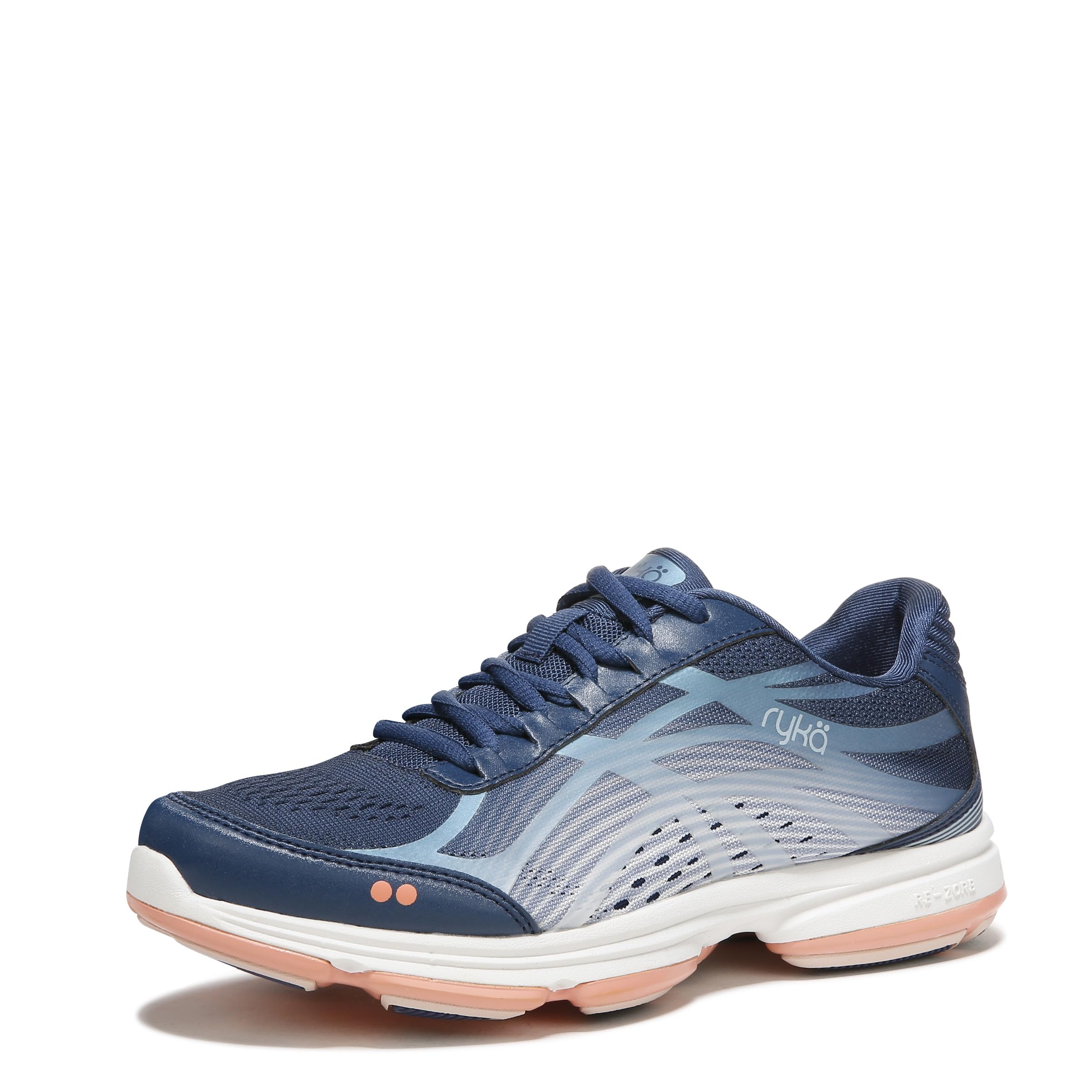
Offers supportive cushioning and a wide fit that suits flat feet at a budget price. The outsole materials may separate with regular gym use, making this a short-term option for walking and light activities.

Bottom line: Best for casual walkers on a tight budget who prioritize comfort over longevity.

How to Choose

Arch Support Type

Flat feet need more than a cushioned insole. Look for a medial post – a firmer density of foam or plastic built into the midsole along the arch – which resists the inward rolling of overpronation. Shoes with only a removable insole lose support once the insole compresses or is swapped out.

The trade-off: medial posts add firmness. Some shoes use a mild post that still feels comfortable for walking, while aggressive posts are best for heavy lifting and shorter gym sessions.

Heel-to-Toe Drop

Drop is the height difference between heel and forefoot. A lower drop (4mm or less) positions your foot closer to the ground, improving stability for squats and deadlifts. Higher drops (8-12mm) shift weight forward, which can aggravate flat arches by encouraging pronation.

For most flat-footed lifters, a drop between 0mm and 8mm is ideal. Zero-drop shoes like the ALTRA Solstice XT require strong calves and Achilles flexibility – they're not a shortcut to stability.

Toe Box Width

Flat feet often spread wider when bearing weight. A narrow toe box pinches the metatarsals and can cause arch cramping. Look for brands that offer wide sizes (2E, 4E) or naturally roomy toe boxes like ALTRA's FootShape or Flux's wide silhouette.

The catch: a wider toe box can make lateral movements feel less locked-in. Shoe brands compensate with higher sidewalls or external heel counters to maintain stability during cuts.

Outsole Stiffness

A stiff outsole prevents the shoe from bending under heavy load, which keeps the foot stable during presses and squats. It also reduces energy loss. Flexible outsoles feel more comfortable for walking but can cause the foot to roll inward.

The challenge: a stiff sole can be uncomfortable for walking around the gym between sets. Some models use a split outsole or flex grooves at the forefoot to balance rigidity with casual wear.

Cushioning Density

Plush cushioning (like Nike Air Max or NB Fresh Foam) feels great during warm-ups and light cardio, but it can compress unevenly under a flat foot, reducing stability for lifts. Firmer cushioning (EVA or TPU-based) provides a more predictable platform.

The solution: look for shoes with dense, low-compression foam under the heel and arch. Cushioning that is too soft can delay force transfer and aggravate arch strain over a session.

Frequently Asked Questions