Accessories

12 Best Balance Pad of 2026: Clinic-Level Quality at Home Prices

Which balance pad matches your PT goals, foot size, and budget without sacrificing durability.

Balance pads seem simple: a block of foam that makes standing less stable. But the difference between a pad that actually improves your ankle strength and one that flattens in two months comes down to material density and surface area. Many people grab the cheapest option only to find it either too firm to challenge balance or so soft it bottoms out.

The real choice is about matching the pad to how you plan to use it. Physical therapy recovery requires a specific stability level that differs from general fitness or standing desk work. The best picks in this guide balance durability, firmness, and size so you don't waste money on a pad that misses your needs.

From budget-friendly options that perform like clinical gear to professional-grade foam trusted by therapists, we've cut through the marketing to show what actually works for each scenario.

#1

ProsourceFit Balance Pad

Top Pick
ProsourceFit Balance Pad

PT, beginners, budget

Our Score 9.6/10
Check Price

Worth Noting

  • Firm surface can feel too hard for those wanting a squishy, unstable pad
  • High stability may not push advanced athletes enough
Material
TPE
Non-Slip Base
Textured bottom
Weight Capacity
750 lbs
Surface Area & Thickness
15.5x12.75x2.25 in
Read the full review

The ProsourceFit Balance Pad uses TPE foam that retains its shape and shows minimal wear even after extended use. Users consistently report gains in ankle stability and faster recovery during physical therapy, making it a workhorse for balance exercises. At a budget-friendly price, it undercuts clinical-grade pads without sacrificing durability.

This pad suits beginners, seniors, and home gym users on a budget. The firm surface provides a moderate balance challenge — those wanting a softer, more unstable pad may find it too hard, and experienced athletes may outgrow its stability level. It performs best as a starting point or for steady rehabilitation work.

Tip: Using the pad on carpet adds slight give for a more forgiving feel.

Bottom line: For injury recovery, beginner balance work, or a durable pad without the clinic markup, this is the no-fuss pick.

#2

Airex Balance Pad

Airex Balance Pad

Clinical, long-term

Our Score 9.6/10
Check Price

Worth Noting

  • May feel slightly softer than some clinic pads, which can matter for users expecting a specific firmness.
  • Premium pricing compared to generic alternatives
Material
Closed-cell foam
Non-Slip Base
Textured
Weight Capacity
600 lbs
Surface Area & Thickness
19.7x16.1x2.4 in
Read the full review

The Airex Balance Pad is the option that clinics have relied on for years, with a closed-cell foam design that resists flattening and maintains its shape over time.

This pad suits those continuing PT at home who want an identical feel to clinic equipment, though it carries a premium price and may feel slightly softer than some clinic units.

Tip: If you are working with a specific clinic pad for reference, check the current batch's firmness – slight variations exist.

Bottom line: For buyers who want the exact pad used in their PT clinic and are comfortable with a higher price, the Airex is the logical choice.

#3

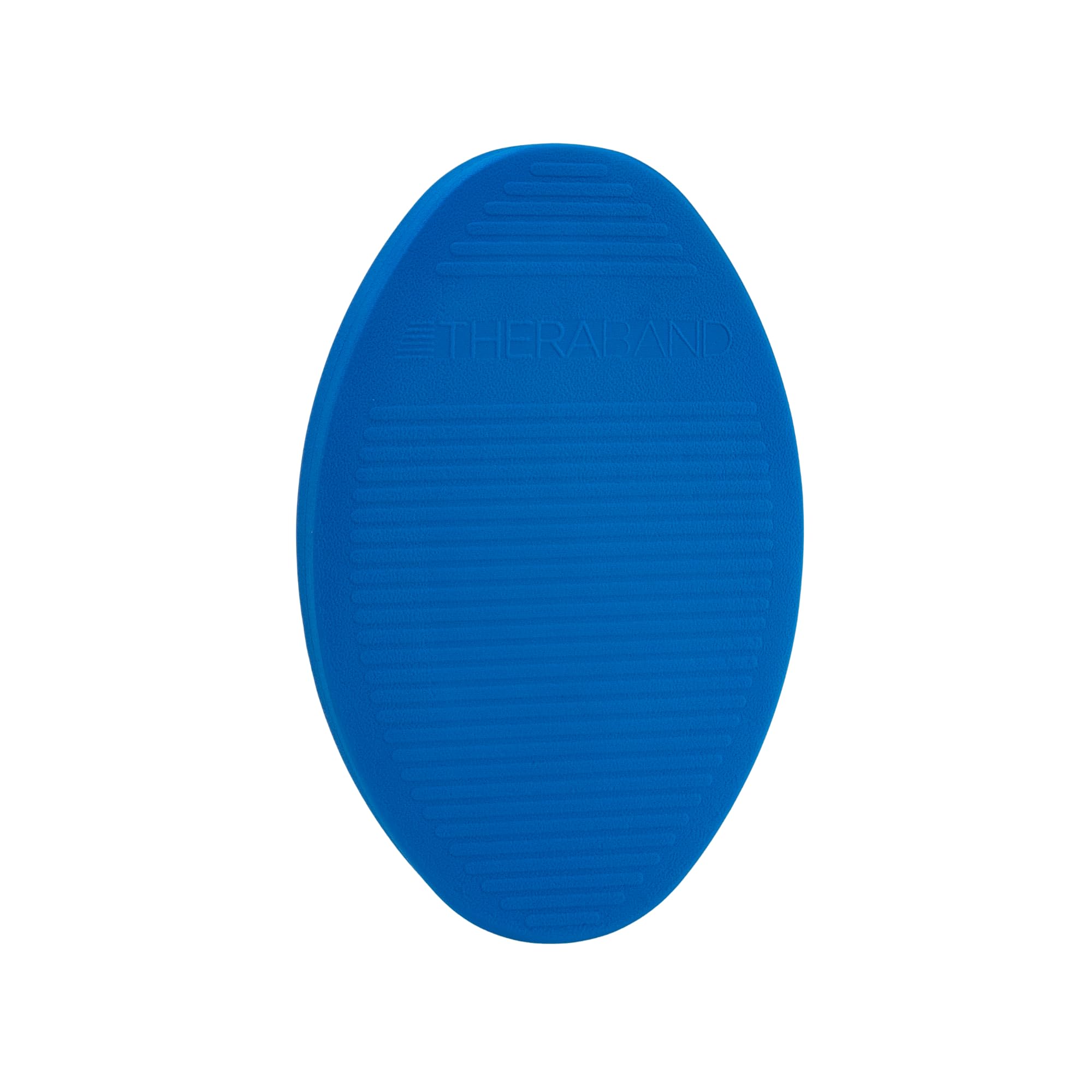
THERABAND Stability Trainer

THERABAND Stability Trainer

Single-leg, travel

Our Score 9.6/10
Check Price

Worth Noting

  • Narrow width (10.25 inches) can't fit both feet side by side, limiting stance variety
Material
Foam
Non-Slip Base
Textured
Weight Capacity
300 lbs
Surface Area & Thickness
16.4x10.3x2.3 in
Read the full review

The THERABAND Stability Trainer uses a noticeably softer foam than the firmer ProsourceFit top pick, creating a deeper instability that intermediate users will feel immediately during single-leg work. The 10.25-inch width means both feet cannot fit side by side, so tandem stances or wide-based exercises are off the table. This tradeoff makes the pad best suited for travelers who prioritize portability and those focused specifically on ankle and single-leg balance training, where the extra wobble accelerates progress.

Tip: Use only one foot at a time; the pad works best for single-leg balance drills and instability push-ups.

Bottom line: If your training revolves around single-leg work, ankle rehab, or travel-friendly gear, this softer pad delivers a tougher challenge than most – just accept the narrow footprint.

#4

pete's choice Balance Pad

pete's choice Balance Pad

Starter kit, rehab

Our Score 9.4/10
Check Price

Worth Noting

  • Pad size may be smaller than some users expect, limiting tandem stance options.
Material
Foam
Non-Slip Base
Textured
Weight Capacity
Surface Area & Thickness
Large (approx.)
Read the full review

The bundled stretching strap and exercise booklet make this a good entry point for those new to balance training — you get guidance without needing a separate purchase. The foam itself has a sturdy, supportive feel that works well for rehabilitation exercises after injury or for general stability work.

Where this pad falls short is size: marketed as XL or L, but several users found it smaller than expected, especially for exercises that require both feet side by side. If you need a larger surface for tandem stances, the budget pad from Yes4All offers more room.

Tip: If you plan to stand with both feet side by side, measure your space — the pad may not accommodate wide stances.

Bottom line: Best for someone who wants an all-in-one starter kit with guidance — just check the dimensions if you need a wider surface for standing exercises.

#5

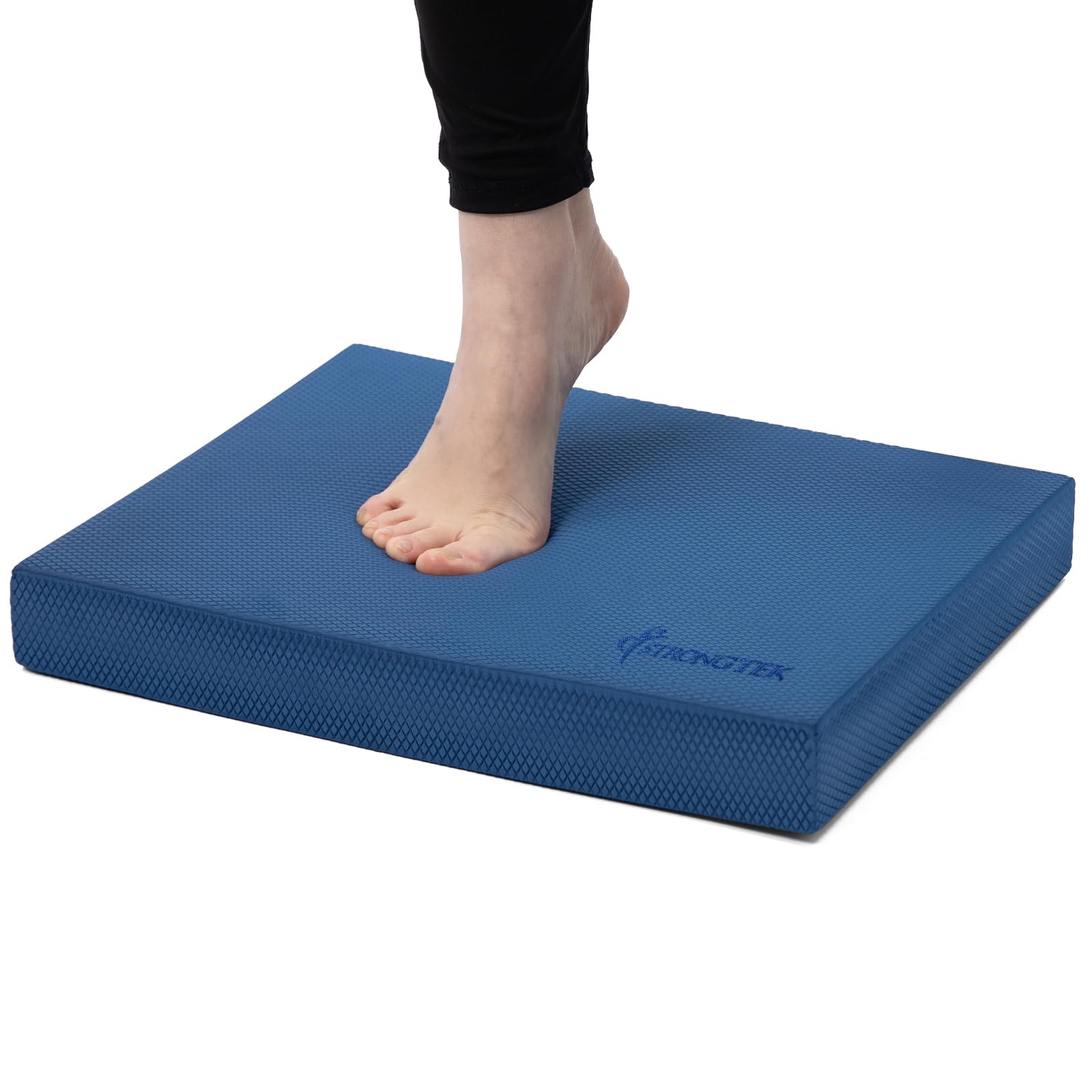
StrongTek Professional Pad

StrongTek Professional Pad

Light use, yoga

Our Score 9.4/10
Check Price

Worth Noting

  • Durability can be inconsistent with some units cracking or tearing
Material
TPE
Non-Slip Base
Textured
Weight Capacity
Surface Area & Thickness
15.8x13x2 in
Read the full review

StrongTek Professional Pad offers good support for floor exercises and knee protection at a low price. Its compact 15.8x13 inch surface may feel small for some, and occasional cracking reports suggest it suits light, occasional use rather than daily therapy.

Bottom line: A decent choice for casual yoga or light balance practice where budget is the priority, but not for frequent rehab use.

#6

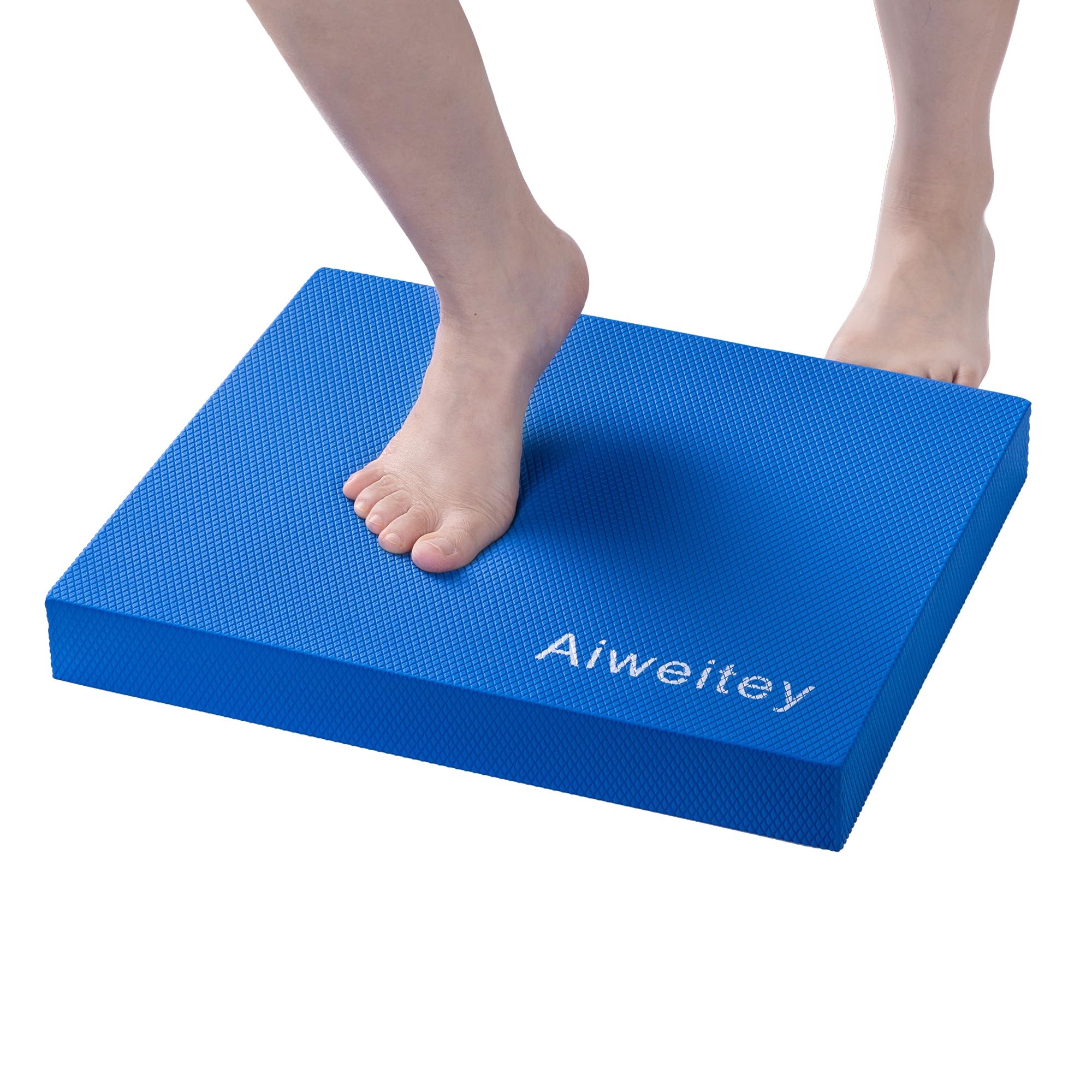
Aiweitey Stability Pad

Aiweitey Stability Pad

Budget, light PT

Our Score 9.4/10
Check Price

Worth Noting

  • Long-term durability may be a concern for those using it daily or for intense rehab.
Material
TPE
Non-Slip Base
Textured
Weight Capacity
300 lbs
Surface Area & Thickness
15.9x13x2 in
Read the full review

The Aiweitey pad delivers a firm but comfortable surface that supports balance training, PT moves, and yoga at a budget-friendly price. Long-term durability under heavy daily use hasn’t yet been established, but for lighter home routines it performs well above its cost.

Bottom line: A solid pick if your routine is light to moderate and you want to save money – just don’t expect it to endure years of heavy clinic-level use.

#7

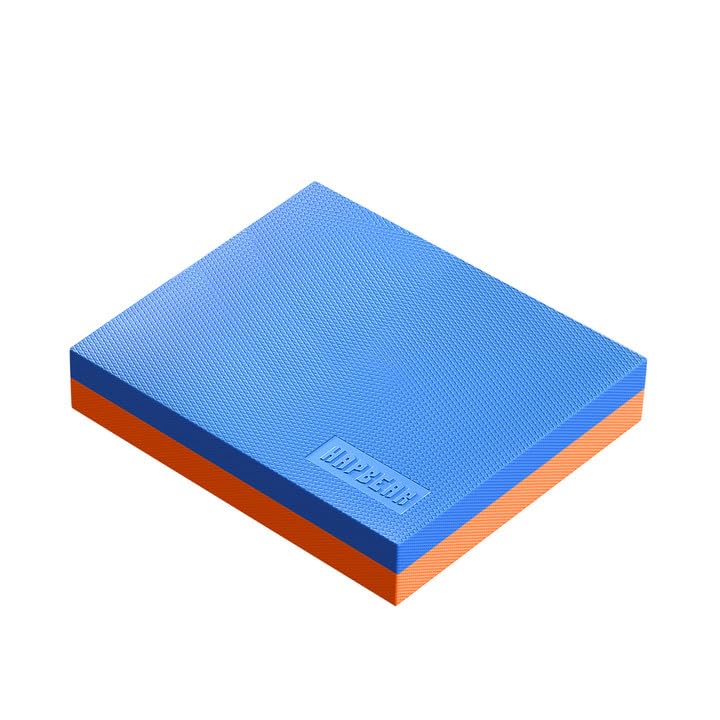
HAPBEAR Balance Pad

HAPBEAR Balance Pad

New brand, home

Our Score 9.4/10
Check Price

Worth Noting

  • May feel too thick or stiff for users seeking a softer, more unstable surface
Material
TPE
Non-Slip Base
Textured
Weight Capacity
Surface Area & Thickness
15.8x13x2.4 in
Read the full review

The HAPBEAR Balance Pad offers good firmness and construction for the price, making it effective for balance exercises and light home use. However, it may feel too thick or stiff for some, and its long-term durability has not yet been established - best suited as a budget option for those testing balance training.

Bottom line: A cost-effective entry point for those curious about balance training or needing a pad for occasional light use.

#8

ANVICTOX Balance Pad

ANVICTOX Balance Pad

Home PT

Our Score 9.4/10
Check Price

Worth Noting

  • Fragility can occur in some units over time
Material
TPE
Non-Slip Base
Textured
Weight Capacity
350 lbs
Surface Area & Thickness
15.8x13.2x2 in
Read the full review

The ANVICTOX Balance Pad delivers effective support for rehabilitation exercises like ankle and knee strength training, and its price aligns well with the value it offers. However, fragility has been noted in some cases, making it a safer bet for lighter use rather than daily heavy training, especially given the limited long-term data available.

Bottom line: Consider this pad if you need a cost-effective option for occasional home rehab and are okay with some uncertainty around long-term durability.

#9

Therapist's Choice Pad

Therapist's Choice Pad

Clinics, large users

Our Score 9.4/10
Check Price

Worth Noting

  • Foam firmness splits opinion
Material
Closed-cell foam
Non-Slip Base
Textured
Weight Capacity
Surface Area & Thickness
19x15x2.3 in
Read the full review

The large 19x15 inch surface accommodates tandem stances and wide foot placements comfortably. The closed-cell foam feels sturdy and holds its shape, but the firmness splits opinion — some find it too stiff, others too soft. The premium price doesn't clearly outperform cheaper large pads, making this a niche option for those who need the size and can tolerate the firmness variance.

Bottom line: Best suited for users who need the extra surface area and are willing to accept a firmness tradeoff, but most will get better value from a more consistent pad.

#10

Yes4All Balance Pad

Yes4All Balance Pad

Large feet, wide stances

Our Score 9.2/10
Check Price

Worth Noting

  • Firmness is quite hard for those wanting soft cushioning
  • Durability concerns
Material
TPE Foam
Non-Slip Base
Textured
Weight Capacity
500 lbs
Surface Area & Thickness
19x15x2.25 in
Read the full review

The Yes4All Balance Pad's 19x15 inch footprint is unmatched among budget options, providing generous room for wider stances and bigger feet during balance training. That space comes with a firm foam that supports stability exercises effectively. However, the foam may tear or lose shape within months, making this pad more suited for occasional home use rather than daily physical therapy or heavy routine.

Tip: Limit use to a few times per week to extend the pad's lifespan.

Bottom line: Best for budget-conscious shoppers who prioritize size and occasional balance training over long-term durability.

#11

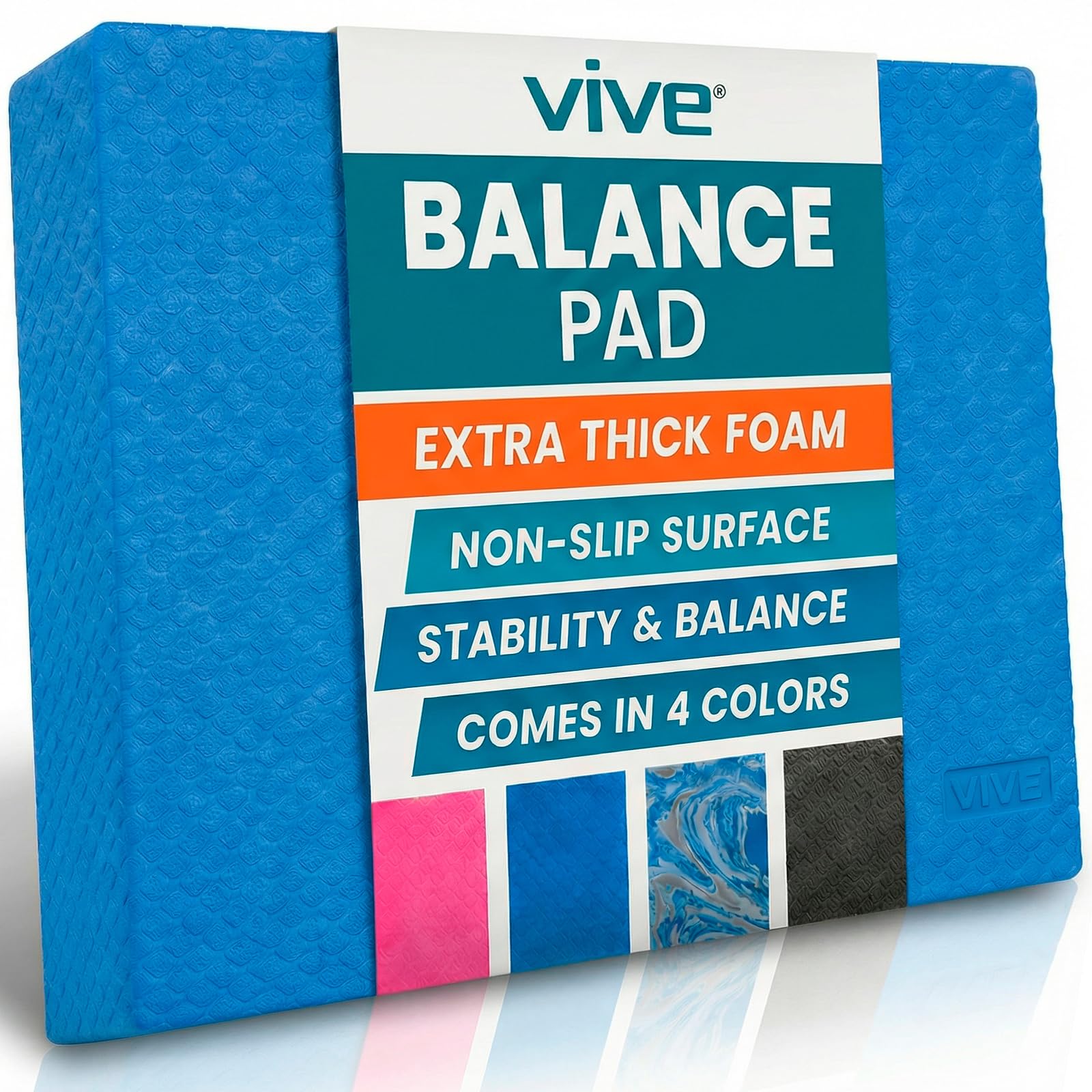
Vive Balance Pad

Vive Balance Pad

PT, seniors

Our Score 9.2/10
Check Price

Worth Noting

  • Size limits tandem stance exercises and may be cramped for those with larger feet.
Material
High-density foam
Non-Slip Base
Textured
Weight Capacity
300 lbs
Surface Area & Thickness
15.8x13.4x2.4 in
Read the full review

This pad delivers a consistent surface for balance training and physical therapy, suited for users with average to small feet. The 15.8x13.4 inch footprint limits tandem stance exercises and may feel cramped for taller users, with some reports of foam wear over extended use. It performs well for single-foot balance work at a mid-range price.

Bottom line: A functional option for PT patients with average foot size who do not need a wide stance area.

#12

5BILLION Balance Pad

5BILLION Balance Pad

Light, occasional use

Our Score 9.2/10
Check Price

Worth Noting

  • Foam may tear or lose shape within a few months, limiting long-term value.
Material
TPE
Non-Slip Base
Textured
Weight Capacity
300 lbs
Surface Area & Thickness
15.4x12.6x2 in
Read the full review

The 5BILLION pad is cheap and handles basic one-foot balancing for occasional use. However, the foam may tear or compress within a few months, and firmness varies – some find it too hard. It’s a low-risk trial pad, but those needing consistent performance for rehab should look at the ProsourceFit alternative.

Bottom line: Only worth buying if you’re unsure about balance training and want a low-cost trial – plan to upgrade.

How to Choose

Surface Area and Thickness

Larger pads (19x15 inches) allow tandem stances and wider feet to stay on the pad, which is critical for rehab exercises like heel-to-toe walking. Thinner pads (2 inches) offer less cushioning and more instability, while thicker pads (2.5 inches) provide a deeper challenge but may feel too wobbly for beginners. Choose a pad that gives you at least a few inches of clearance around your foot size.

Material: TPE vs. Closed-Cell Foam

TPE (thermoplastic elastomer) is lightweight and grippy but can degrade faster if exposed to direct sunlight or heavy daily use. Closed-cell foam, used by Airex, resists compression and maintains its shape for years under clinical conditions. The trade-off: closed-cell foam costs more and often feels firmer. If you plan to use the pad daily for PT, invest in closed-cell foam. For occasional home workouts, TPE is sufficient.

Weight Capacity

Most pads claim a capacity of 300-350 lbs, but the real limit is foam compression. A high weight capacity (600+ lbs) indicates denser foam that will not bottom out even under prolonged standing. For heavy users or those doing single-leg exercises, a pad rated over 400 lbs provides a more consistent balance challenge without the foam permanently flattening.

Non-Slip Base and Texture

A textured bottom keeps the pad from sliding on hard floors during dynamic moves. Some pads use a ribbed pattern, others a grid, but the key is that the base stays put even when you shift weight rapidly. Smooth-bottom pads are fine on carpet but can slip on tile. Look for a pad with a dedicated non-slip layer, not just printed texture.

Frequently Asked Questions