Accessories

14 Best Balance Boards of 2026: Which Actually Stay Put and Last

Which balance boards keep their grip on hardwood floors and hold up over months of use.

You have likely seen balance boards that look solid online but slide across hardwood or develop splinters within weeks. The real challenge isn't just finding a board that trains your core — it is finding one that stays put and lasts through daily use.

The market is filled with boards that overpromise on grip and durability. Between peeling rubber bumpers, chipping wood, and rollers that slip unexpectedly, many buyers end up disappointed.

This guide focuses on boards that solve these common pitfalls, using quality materials and smart design. The result is a shortlist you can trust for consistent balance training, whether at a standing desk, in rehab, or for sports conditioning.

#1

Indo Board Original

Top Pick
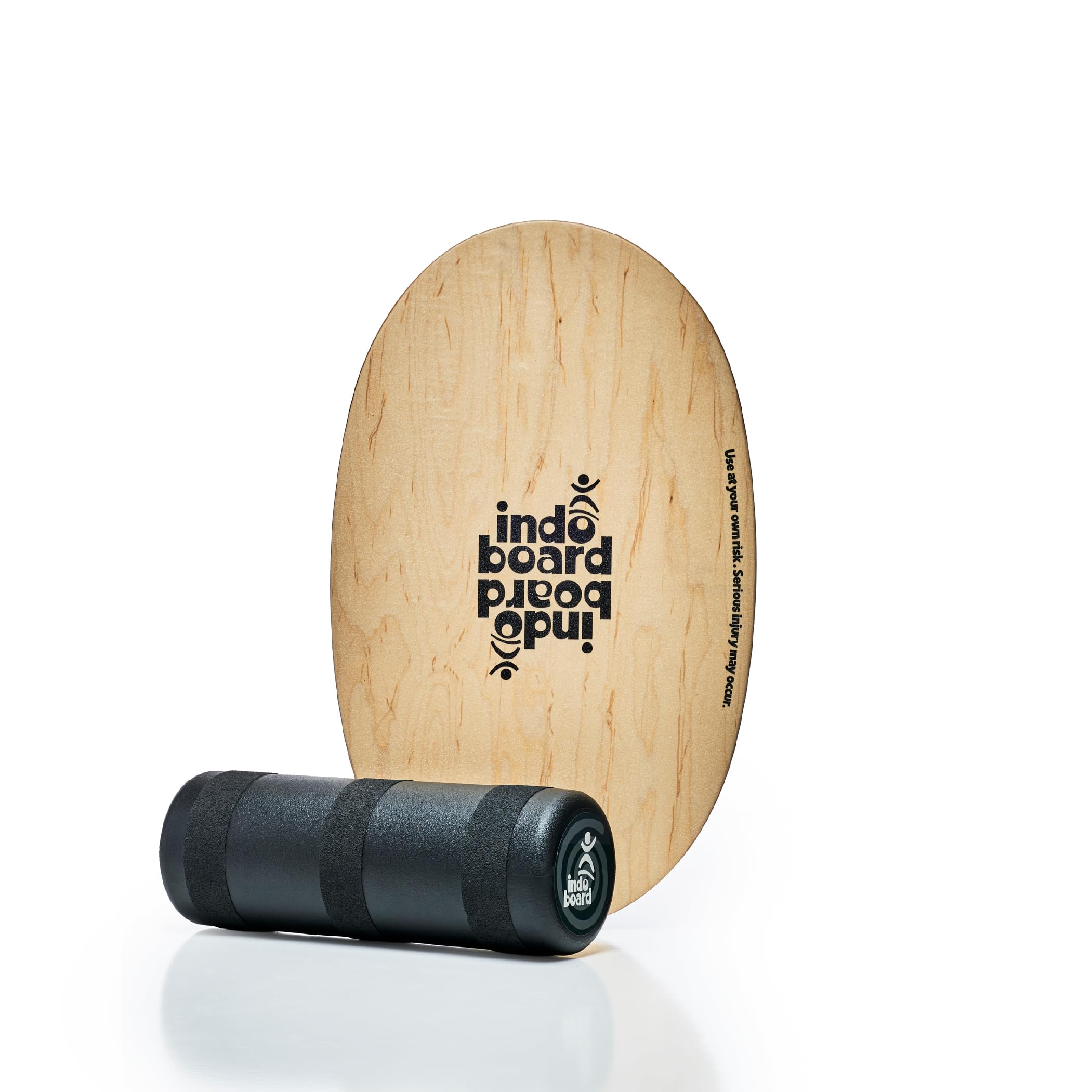
Indo Board Original

Surf training

Our Score 9.8/10
Check Price

Worth Noting

  • Premium pricing for what is essentially a maple board and a roller.
Material
Maple wood
Board Type
Roller-based board
Weight Capacity
350 lbs
Read the full review

Indo Board is a premium-priced maple board and roller that delivers authentic surf-style training used by pros. However, the cost reflects brand heritage rather than materials, making it a tough sell for casual fitness users or those on a budget.

Bottom line: For serious athletes committed to surf, skate, or snowboard training who value the original design, the Indo Board delivers authentic results — but it's overpriced for casual use.

#2

Sportneer 7-Mode Balance Board

Sportneer 7-Mode Balance Board

Surf training

Our Score 9.6/10
Check Price

Worth Noting

  • Roller lacks grip and can slide unexpectedly during use
  • Magnetic bumpers may catch on tile floors, causing a trip hazard
Material
Birch wood
Board Type
Roller-based board
Weight Capacity
450 lbs
Read the full review

The Sportneer Balance Board delivers seven distinct difficulty modes via adjustable magnetic stoppers, letting you incrementally increase challenge as your balance improves. This suits intermediate to advanced athletes training for surfing, snowboarding, or skating who need controlled progression. The roller can be slippery on certain surfaces, and the magnetic bumpers may snag on tile floors, so it’s best used on a mat or carpet. Birch wood construction supports up to 450 lbs.

Tip: Place on a non-slip mat if using on tile floors to prevent magnetic bumpers from snagging.

Bottom line: Best for sport-focused athletes who want adjustable difficulty and don’t mind a bit of surface sensitivity with the roller and bumpers.

#3

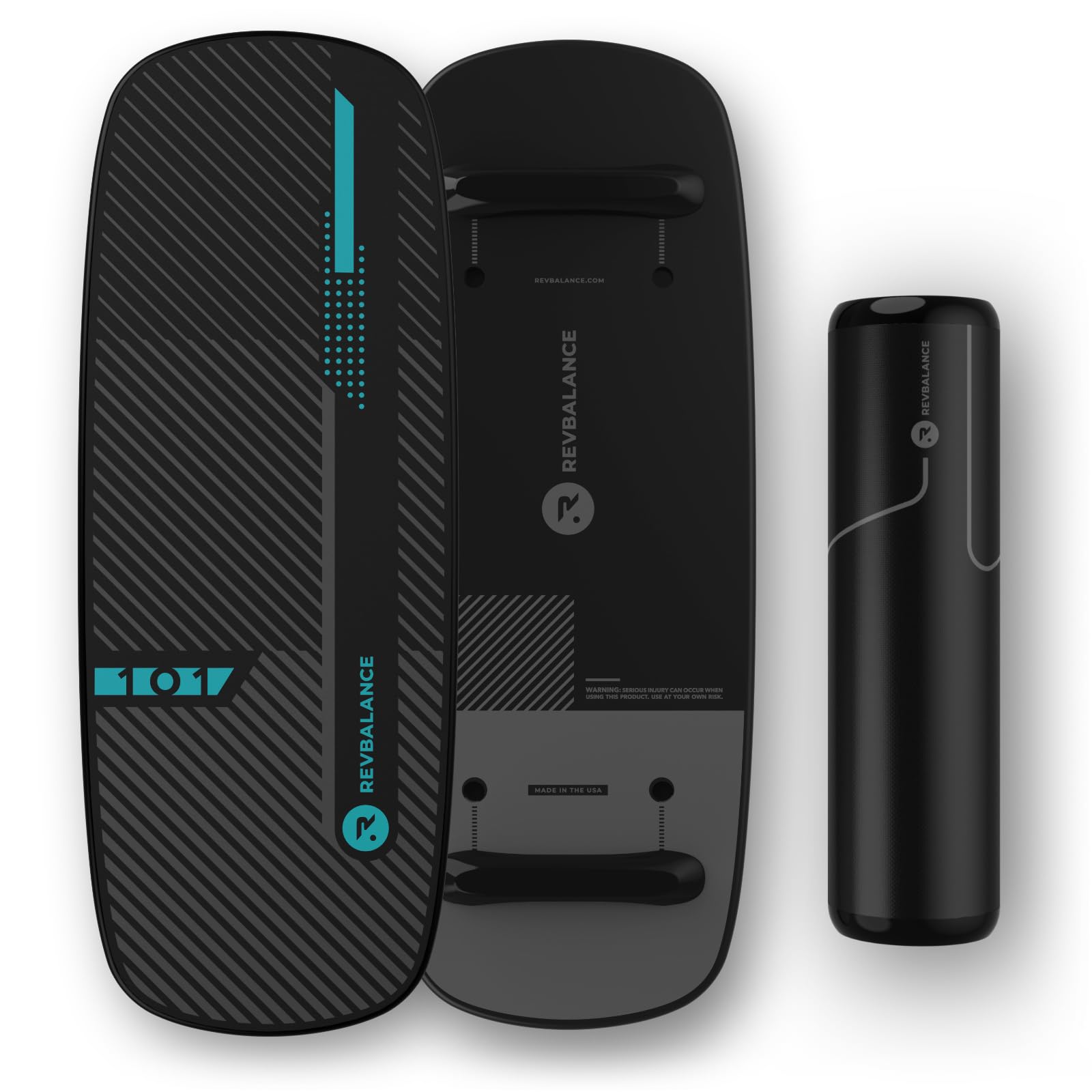
Revbalance 101 v2

Revbalance 101 v2

Family fitness

Our Score 9.6/10
Check Price

Worth Noting

  • Roller may crack or develop plastic-end breakage after limited use
  • Experienced riders may outgrow the challenge level
Material
HDPE with DuraSoft
Board Type
Roller-based board
Weight Capacity
400 lbs
Read the full review

The Revbalance 101 v2 uses an HDPE base with a DuraSoft traction surface that provides a stable, comfortable grip for barefoot or shoe use. Its magnetic adjustable stops allow three levels of tilt resistance. Some units have shown roller cracking after moderate use, so buyers should inspect the roller and avoid hard impacts; this tradeoff is offset by the board's 400-lb capacity and satisfying feel.

This board suits families looking for a durable activity that kids and adults enjoy together, as well as intermediate users focused on rehab or general fitness. Advanced athletes seeking maximum instability may find the challenge insufficient; the top pick offers a more budget-friendly option for those who don't need the premium surface.

Tip: Place the board on a soft surface like a yoga mat to reduce stress on the roller and minimize wear.

Bottom line: A premium-priced board that prioritizes comfort and traction; ideal for families and intermediate users who value feel over maximum difficulty.

#4

Fitterfirst Pro Rocker 20"

Fitterfirst Pro Rocker 20"

Physical therapy

Our Score 9.6/10
Check Price

Worth Noting

  • Higher price than entry-level alternatives, with motion limited to a single plane
Material
Baltic birch plywood
Board Type
Single-plane rocker
Weight Capacity
350 lbs
Read the full review

Purpose-built for physical therapy and senior balance improvement, the Fitterfirst Professional Rocker Board offers three tilt angles (10°, 12°, 15°) for gradual progression. The Baltic birch plywood base supports up to 350 lbs and holds up in high-use settings. Unlike entry-level wobble boards, this board restricts motion to a forward-backward plane – a deliberate design for targeted ankle and knee rehab. Its premium price and limited motion make it less suitable for general fitness enthusiasts seeking variety or multi-directional training.

Tip: Start with the 10° tilt to build confidence before increasing difficulty.

Bottom line: Best for clinical rehab or senior balance programs where controlled forward-backward movement is the goal – not a fit for general fitness or surf training.

#5

Revbalance Swell 2.0

Revbalance Swell 2.0

Surf training

Our Score 9.6/10
Check Price

Worth Noting

  • The high price suits surf-specific training but feels excessive for general balance work.
Material
HDPE DuraSoft
Board Type
Long roller board
Weight Capacity
450 lbs
Read the full review

This board pairs a long roller with magnetic adjustable stoppers, giving surfers and paddleboarders a realistic feel for heel-to-toe and side-to-side motion. The HDPE deck and DuraSoft traction hold up under heavy use. For anyone outside water sports, the premium price works against it — the same cost buys a more flexible general-purpose board. The extended roller limits floor-friendly maneuvers and increases the learning curve for casual fitness.

Bottom line: Look here only if you train for surfing, paddleboarding, or wakesurfing and want roller-based simulation. For general fitness or rehab, a cheaper rocker or wobble board makes more sense.

#6

MOBO Balance Board

MOBO Balance Board

Foot strength

Our Score 9.6/10
Check Price

Worth Noting

  • Rocker pieces may slip on smooth floors without a mat.
Material
Bamboo
Board Type
Foot rocker board
Weight Capacity
300 lbs
Read the full review

The MOBO Board’s compact bamboo design targets foot and ankle strength for runners and rehab. Its anatomical rocker is too specialized for general balance, and pieces may slip on smooth floors. Suited for foot-specific training, not core balance.

Bottom line: Buy this only if your goal is foot or ankle rehab — not for general balance training.

#7

Gentle Monster Wooden Rocker

Gentle Monster Wooden Rocker

Family play

Our Score 9.4/10
Check Price

Worth Noting

  • Wood edges may chip on hard floors in some units.
Material
Natural wood lacquer
Board Type
Curved rocker board
Weight Capacity
480 lbs
Read the full review

This rocker board stands out for its smooth natural wood and open-ended design — kids use it as a bridge, slide, or tiny lounge chair. It handles light yoga and stretching for adults too. However, the edge finish can chip on hard floors, and its rocker motion limits intensity for balance training. Best suited for families who want a versatile play piece rather than a fitness wobble board.

Bottom line: A solid family play board if you value craftsmanship and open-ended use, just inspect the edges upon arrival.

#8

WOOD CITY Wooden Rocker

WOOD CITY Wooden Rocker

Kids play

Our Score 9.4/10
Check Price

Worth Noting

  • Rough edges may require sanding before safe use with children
Material
Natural wood lacquer
Board Type
Curved rocker board
Weight Capacity
480 lbs
Read the full review

The WOOD CITY rocker board is a budget-friendly way to introduce toddlers to balance play and open-ended creativity. It supports up to 480 lbs for light adult use. Some units have rough edges — inspect before giving to children. The finish is less refined than premium alternatives, making this best for families on a budget who value versatility over polish.

Bottom line: Best for families seeking an affordable, multi-use rocker board for imaginative play who are willing to inspect and smooth the wood before handing it to kids.

#9

Amazon Basics Wood Wobble Board

Amazon Basics Wood Wobble Board

Budget beginners

Our Score 9.2/10
Check Price

Worth Noting

  • Moderate tilt may feel too easy for those with existing balance training experience
  • Bottom can slip on tile or hardwood without a mat underneath
Material
Birch plywood
Board Type
Round wobble board
Weight Capacity
265 lbs
Read the full review

The birch plywood board feels sturdy and the non-slip top provides good grip for barefoot or shoe use. It supports up to 265 lbs and handles regular standing desk movement or light rehabilitation sessions without any creaking or flex.

The wobble is moderate — enough to engage core and leg muscles for a beginner, but not challenging for anyone accustomed to instability training. On smooth floors, the bottom can slide if you shift weight suddenly, which means a non-slip mat is worth adding for tile or hardwood.

This board suits budget-conscious beginners, physical therapy patients, and anyone wanting subtle movement at a standing desk. It does not offer the high tilt or multi-directional challenge that advanced athletes look for, and the limited wobble range means it won’t push experienced trainers past a warm-up level.

Tip: Place a non-slip mat under the board on tile or hardwood to prevent sliding.

Bottom line: Best value for entry-level wobble board needs — beginners, rehab, and desk fidgeters get exactly what they pay for. Add a mat if your floor is smooth.

#10

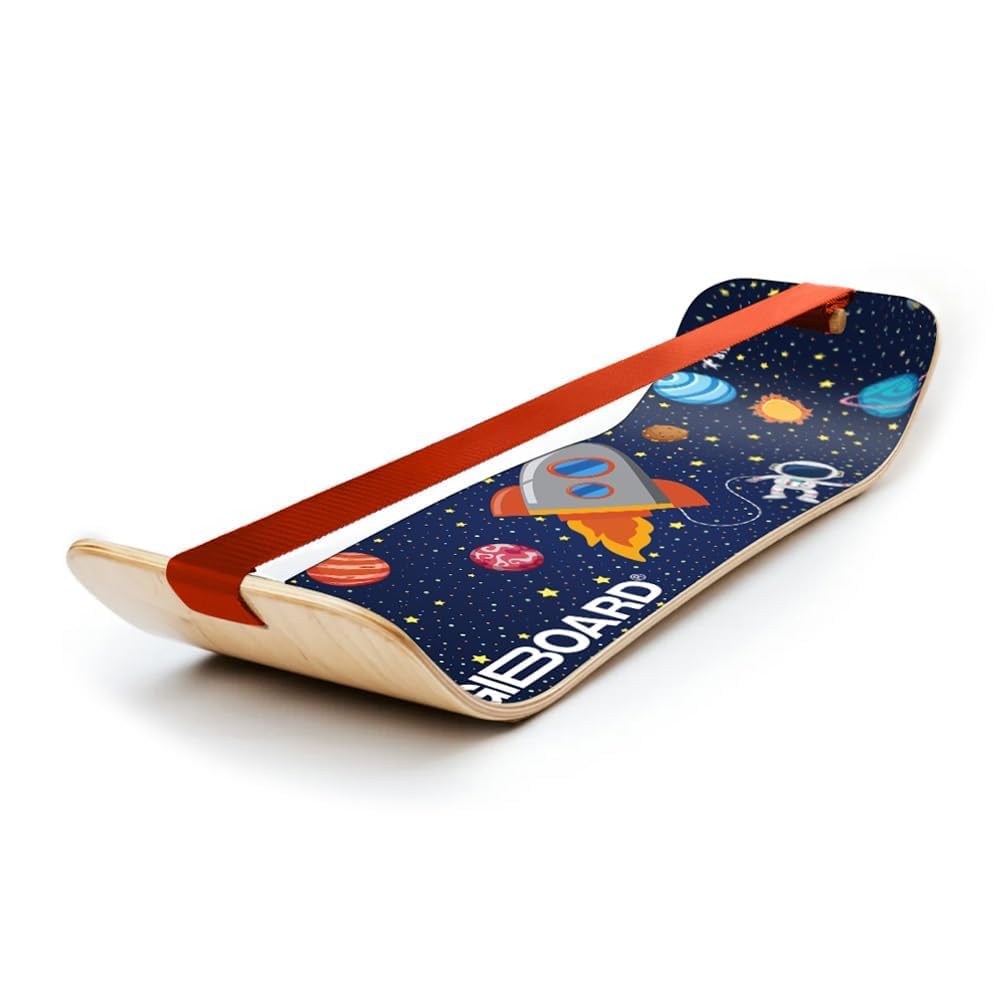
GIBBON SlackBoard

GIBBON SlackBoard

Slackline fun

Our Score 9.2/10
Check Price

Worth Noting

  • Board can warp over time, potentially affecting balance feel.
  • Premium-priced compared to simpler balance boards with broader appeal.
Material
American maple
Board Type
Slackline board
Weight Capacity
400 lbs
Read the full review

GIBBON's SlackBoard brings the instability of a slackline into a compact, low-profile board, making it a safer way to practice the real thing indoors. Unlike conventional wobble or rocker boards, the strap-mounted design forces side-to-side and forward-back adjustments that mimic actual slacklining. This suits slackline enthusiasts who want off-line practice, families looking for a novel active toy, or anyone who fidgets at a standing desk. But the premium price is steep for a non-traditional design, and some units have shown board warping after several months of use -- worth checking before committing.

Tip: Store the board flat in a dry room to minimize the chance of warping.

Bottom line: Best for dedicated slackliners or families wanting a playful core workout tool -- traditional balance board buyers should look at the Indoba top pick instead.

#11

HAPOO Wooden Wobble Board

HAPOO Wooden Wobble Board

Budget desk

Our Score 9.2/10
Check Price

Worth Noting

  • Limited wobble range can be too easy for anyone beyond a beginner
Material
Wood with pads
Board Type
Round wobble board
Weight Capacity
350 lbs
Read the full review

At under $25, the HAPOO Wooden Wobble Board delivers a functional anti-slip surface and sturdy build for basic balance work or standing desk movement. However, the limited wobble range means it offers little challenge beyond beginner rehab or casual use - those needing progressive difficulty should look elsewhere.

Bottom line: Best for budget buyers who need a simple wobble board for standing desk movement or beginner rehab - not for those seeking a progressive challenge.

#12

StrongTek 2-in-1 Wobble Board

StrongTek 2-in-1 Wobble Board

360 wobble

Our Score 9.2/10
Check Price

Worth Noting

  • Rubber bumpers on the base can detach and leave wood exposed, which may scratch floors.
Material
Lauan hardwood
Board Type
Cross-base hybrid
Weight Capacity
350 lbs
Read the full review

The StrongTek’s cross-base allows multi-directional movement with more control than basic wobble boards, and the two tilt settings suit both beginners and intermediate users. However, the rubber bumpers underneath can peel off over time, exposing wood and risking scratches on bare floors. This board works best for those using it on carpet or a protective mat, or who are comfortable with that maintenance tradeoff.

Bottom line: A smart choice if you want affordable 360-degree training and plan to place a mat underneath, or don’t mind the bumper issue on carpet.

#13

NALANDA Wobble Board

NALANDA Wobble Board

Standing desk

Our Score 9.2/10
Check Price

Worth Noting

  • TPE bumps can be painful on bare feet, limiting barefoot use.
Material
PP base TPE bumps
Board Type
Round wobble board
Weight Capacity
660 lbs
Read the full review

The NALANDA Wobble Board supports up to 660 lbs and its TPE bump surface resists dirt, making it a practical option for standing desk sessions with shoes or socks. The bumps that aid grip become uncomfortable on bare feet, and the board lacks any tilt adjustability, so it suits users who prioritize durability and easy care over texture comfort.

Bottom line: Best for heavy individuals or anyone using a wobble board with shoes or socks at a standing desk, provided you don’t need barefoot comfort or adjustability.

#14

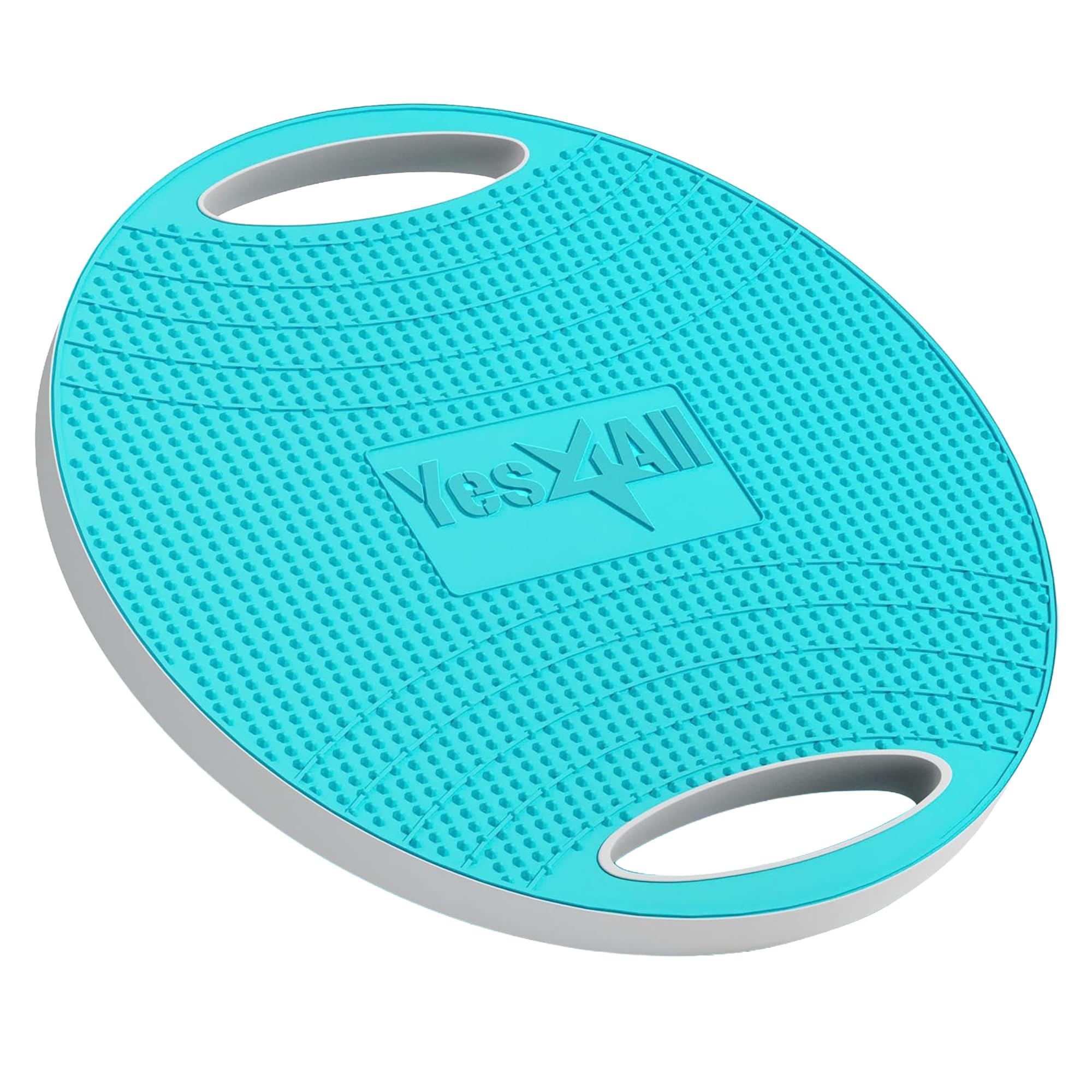
Yes4All Plastic Wobble Board

Yes4All Plastic Wobble Board

Standing desk

Our Score 9.0/10
Check Price

Worth Noting

  • The 16-inch diameter may feel cramped for users with larger feet (size 12+).
  • When used barefoot, the textured top provides limited grip and the massage bumps can be uncomfortable.
Material
TPE plastic
Board Type
Round wobble board
Weight Capacity
300 lbs
Read the full review

The Yes4All Wobble Board is a lightweight 16-inch platform with carrying handles, making it easy to move between desk and storage. Its 360-degree tilt offers gentle movement for standing desk users and those in ankle rehab, provided shoes are worn. The massage spikes on the plastic top can be uncomfortable without footwear, and the diameter may feel small for feet over size 12. Priced affordably, it suits casual use rather than intense balance training.

Tip: Wear athletic shoes to avoid the massage bumps and improve traction.

Bottom line: A functional budget board for desk use with shoes, but the small size and barefoot discomfort limit its appeal.

How to Choose

Board Type: Rocker, Wobble, or Roller

Rocker boards tilt only forward and backward, offering limited motion ideal for rehab or standing desk fidgeting. Wobble boards tilt in all directions, engaging core and ankles more comprehensively.

Roller-based boards require the most coordination and core strength because the roller moves freely underfoot. They are best for surf, snowboard, or skate training, but demand more floor space and caution.

Weight Capacity and Build Materials

Wood boards (birch, maple) are sturdy but can warp or chip if the wood is low quality or the finish is cheap. Plastic boards are lighter and weather-resistant but often have less grip and can crack under heavy loads.

Weight capacity matters most when the board is used by heavier individuals or for dynamic movements. A board rated for 350 lbs may flex or develop stress cracks at sustained near-max loads.

Surface Grip and Floor Compatibility

Many balance boards come with rubber pads or coatings on the bottom, but these can peel off or slide on hardwood and tile. A dedicated non-slip mat underneath solves this problem for any board.

If you plan to use the board barefoot, check the top surface texture: aggressive grip tape can be painful, while smooth finishes may not hold your feet securely during dynamic moves.

Adjustability for Difficulty Progression

Some boards allow you to change the tilt angle, add stoppers, or swap between rocker and wobble modes. This lets you increase challenge as your balance improves, avoiding the frustration of outgrowing a board too quickly.

Without adjustability, a board that feels challenging at first may become too stable after a few weeks. If you plan to train long-term, look for magnetic stops or interchangeable bases.

Durability and Warranty

The most common durability issues are chipped edges, peeling bumpers, and cracked rollers. Boards made from single-piece birch plywood or HDPE tend to last longer than multi-layer pressed wood.

A warranty of at least one year is a good sign of manufacturer confidence. Without it, you are betting that the board will survive normal use without splitting or delaminating.

Frequently Asked Questions