Yoga & Mobility

13 Best Yoga Mat 2026: Thick Cushion Without Early Tearing

Find a yoga mat that cushions joints without tearing within months – the best balances thickness, grip, and durability for home workouts.

A thick yoga mat feels great on your knees and elbows — until it starts tearing or losing shape after a few months. That's the trade-off most budget-friendly mats present: initial comfort versus long-term durability.

The same pattern shows up in grip. Many mats that feel stable when dry turn slippery the moment you break a sweat, forcing you to choose between cushion and traction. It's not a flaw in any single product — it's how the materials work.

This guide cuts through that trade-off by focusing on the specs that actually determine how a mat performs in real use: thickness, material, grip when wet, and the durability of the foam. The right pick depends on your practice style and floor type, not on marketing claims.

#1

BalanceFrom 1-Inch Mat

Top Pick
BalanceFrom 1-Inch Mat

Extra joint cushion

Our Score 9.4/10
Check Price

Worth Noting

  • Foam can tear if dragged across rough surfaces or if sharp objects press into it
  • 1-inch thickness reduces stability in standing balance poses, making it less ideal for hot yoga or dynamic flows.
Material
Foam
Thickness
25mm
Durability
Tears if dragged
Read the full review

The BalanceFrom 1-Inch Mat delivers thick, joint-friendly cushion backed by a 2-year warranty – a rare durability guarantee at this price point. The high-density foam provides noticeable support for knees and elbows during floor exercises, making it a strong option for Pilates and home workouts on hard floors.

The foam can tear when dragged across rough surfaces or if sharp objects are placed on it – treating it gently extends its lifespan. This is the primary tradeoff for the superior comfort.

Best for home exercisers who need extra padding for joints on hard floors, and for Pilates or floor-based routines. Not recommended for hot yoga or practices where stability in standing balance poses is a priority – the thickness reduces footing precision.

Tip: Store the mat flat or rolled loosely — avoid dragging it across concrete or asphalt to prevent tears.

Bottom line: For home exercisers who prioritize joint comfort over perfect balance in standing poses, this mat offers the best value among thick mats with a warranty to back it.

#2

NewMe Yoga Mat with Poses

NewMe Yoga Mat with Poses

Beginners learning poses

Our Score 9.4/10
Check Price

Worth Noting

  • 5mm thickness provides limited padding on hard floors, making kneeling poses less comfortable.
  • Surface loses grip once hands sweat, reducing stability in flowing sequences.
Material
PVC
Thickness
5mm
Durability
Read the full review

The 70 printed yoga poses make this mat a live reference for new practitioners learning at home. Unlike the thick-cushion top pick, this 5mm PVC mat prioritizes education over comfort. It suits dry yoga on studio floors or carpet, where the thin padding is less noticeable. Those practicing on hard floors or with sweaty hands will find the cushion and grip fall short.

Tip: A yoga towel over the mat improves grip during sweaty sessions.

Bottom line: A smart educational tool for beginners doing dry yoga, but not the mat for cushion-dependent or sweaty practices.

#3

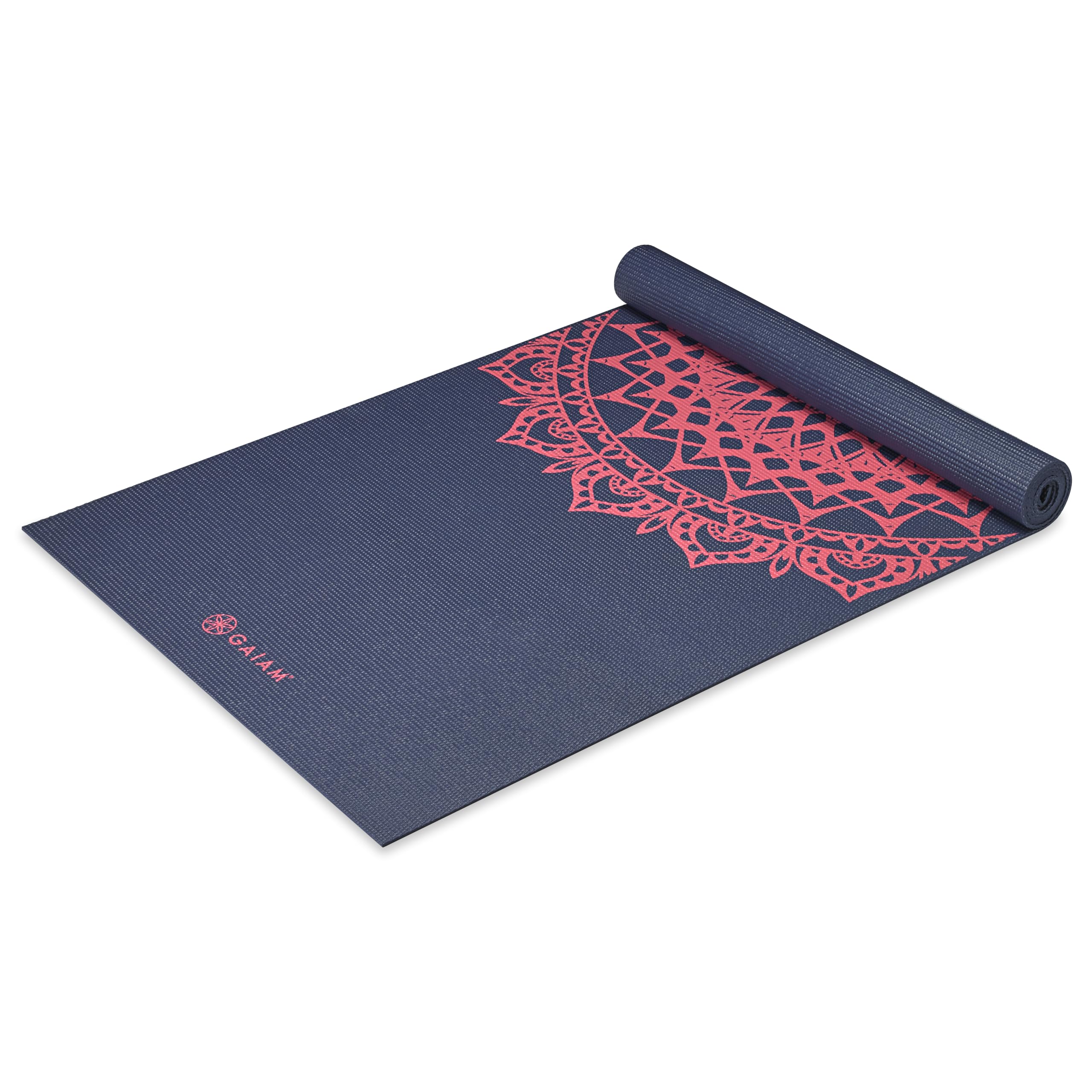
Gaiam 6mm Print Mat

Gaiam 6mm Print Mat

Dry yoga Pilates

Our Score 9.4/10
Check Price

Worth Noting

  • In sweaty or hot yoga conditions, grip may fail
  • Out-of-box chemical smell can be strong, needs airing before use
Material
PVC
Thickness
6mm
Durability
Read the full review

The Gaiam 6mm Print Mat stands out with its artistic designs, backed by strong customer approval for appearance and standard use. The surface becomes slippery with moisture, making it unsuitable for heated practice, and the initial chemical odor requires airing before first use. This mat suits those doing dry yoga, Pilates, or floor exercises who value aesthetics and comfortable cushioning over wet-grip performance.

Tip: Unroll and air out the mat for a day or two before first use to reduce the initial odor.

Bottom line: A mid-range mat that delivers on looks and comfort for dry studio sessions, but not the pick for sweaty or hot yoga.

#4

HemingWeigh 1-Inch Mat

HemingWeigh 1-Inch Mat

Joint pain relief

Our Score 9.4/10
Check Price

Worth Noting

  • 23-inch width may feel cramped compared to standard 24-inch mats
Material
NBR
Thickness
25mm
Durability
Tears on rough surfaces
Read the full review

This 1-inch thick NBR mat offers exceptional cushioning for joint-sensitive users. However, the 23-inch width feels cramped compared to standard mats, and the foam can tear on rough surfaces like concrete or gravel. At a premium price near $70, it costs far more than similarly thick alternatives with comparable durability.

Bottom line: Best for users who prioritize extreme cushion over width and price, and will use the mat only on smooth indoor surfaces.

#5

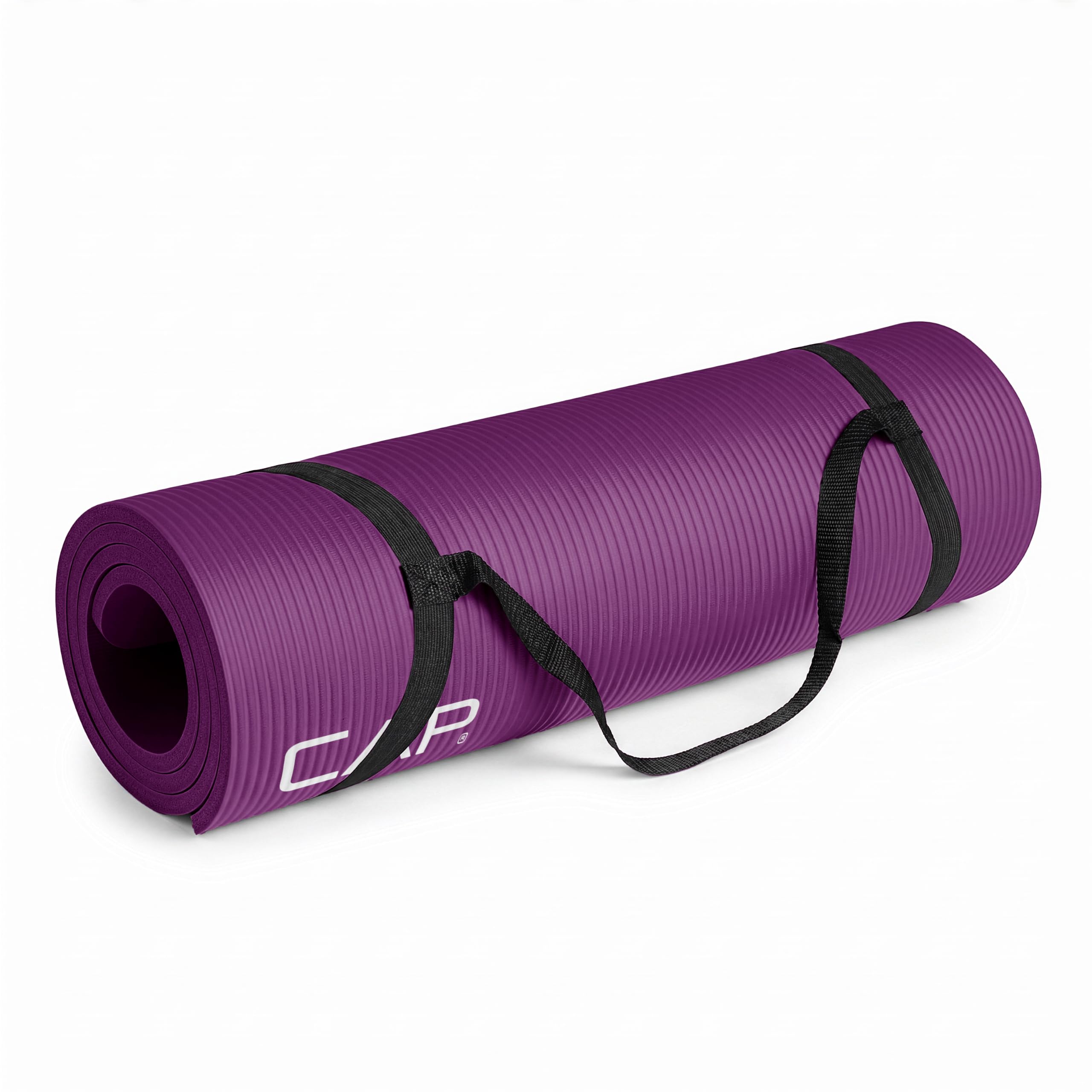
CAP Barbell 1/2-Inch

CAP Barbell 1/2-Inch

Home workouts

Our Score 9.4/10
Check Price

Worth Noting

  • Foam may tear under heavy or frequent use
Material
NBR
Thickness
12mm
Durability
Some tearing
Read the full review

The CAP Barbell 1/2-Inch mat delivers soft cushion and decent thickness for home floor exercises. Its NBR foam provides joint protection during yoga or Pilates. However, durability is a concern — the foam can rip under regular use, which limits its appeal for daily intense practice. Still, for moderate home routines, the comfort level is hard to beat at this mid-range price.

Bottom line: A comfortable mid-range mat for home yoga and Pilates if you prioritize cushion over long-term durability.

#6

Amazon Basics Extra Thick

Amazon Basics Extra Thick

Budget beginners

Our Score 9.2/10
Check Price

Worth Noting

  • Grip can become slippery during sweaty practice
  • Foam may develop tears with regular use
Material
NBR
Thickness
12mm
Durability
May tear
Read the full review

The Amazon Basics Extra Thick Yoga Mat offers 0.5 inches of NBR foam cushioning that softens joints during floor work, at a lower price than the top pick. Unlike that mat, it lacks a warranty and its grip can become slippery when you sweat. The foam may also develop tears with regular use, especially near edges. This mat suits budget-conscious beginners doing gentle yoga or stretching on hard floors at home, not hot yoga or those planning years of daily practice.

Tip: For sweaty practice, lay a towel over the mat or use a grip-enhancing spray to improve traction.

Bottom line: If you need maximum cushion on a tight budget and don't practice hot yoga or expect years of heavy use, this mat delivers for gentle home sessions.

#7

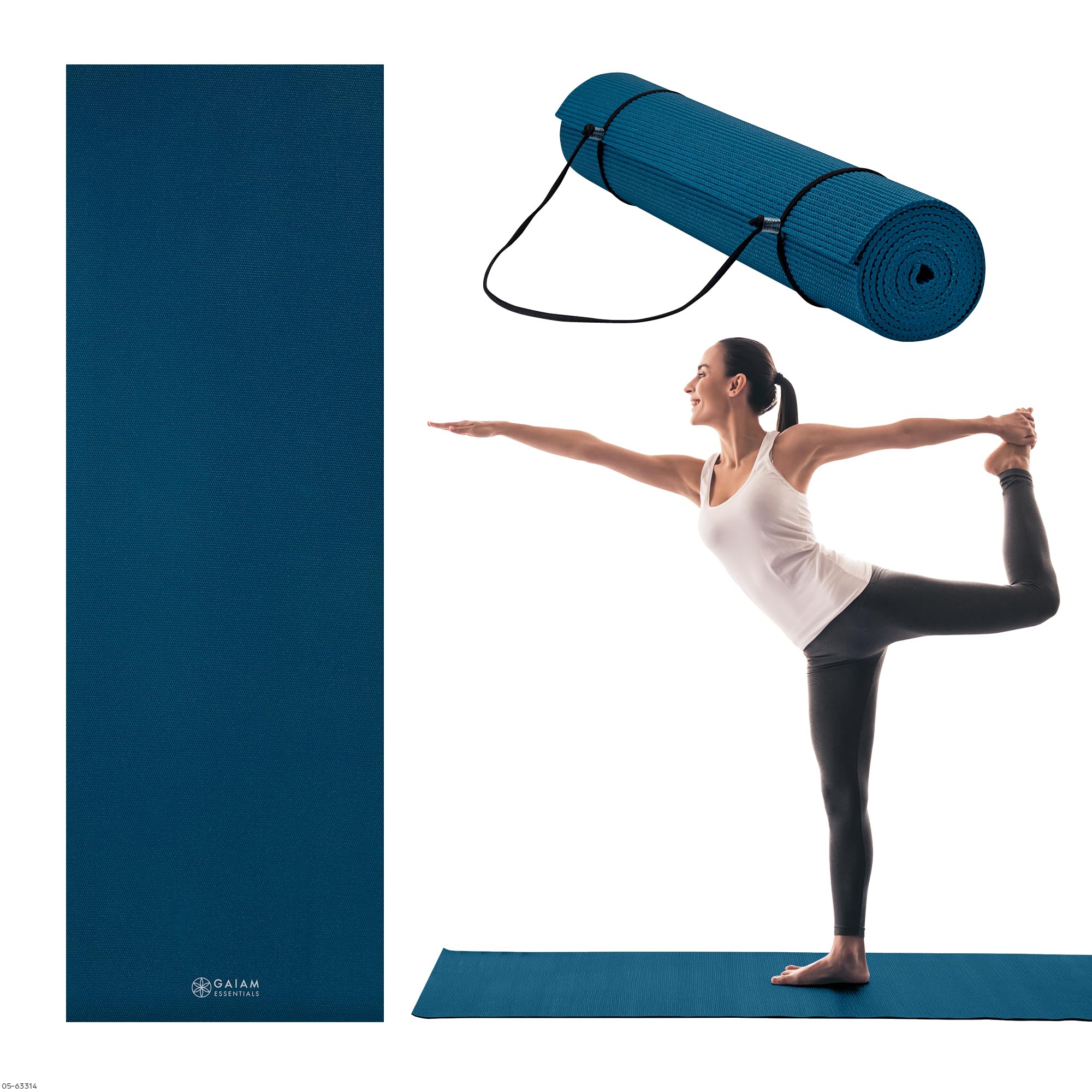
Gaiam Essentials 6mm

Gaiam Essentials 6mm

Travel occasional

Our Score 9.2/10
Check Price

Worth Noting

  • Surface can be slippery during poses, especially on smooth floors.
Material
NBR
Thickness
6mm
Durability
Flakes or shreds
Read the full review

This budget mat is light enough to carry anywhere, making it a decent choice for travel or layering over carpet. But its thin 6mm padding and slick surface limit it to gentle stretching – not hard floors, hot yoga, or active flows. Durability can decline with regular use, and the grip isn't reliable for poses that require stability. That's why it trails thicker options like the Amazon Basics or BalanceFrom for home practice.

Bottom line: A workable travel mat for light stretching on carpet or a temporary surface, but not built for hard floors or sweaty practice.

#8

Manduka PRO 6mm

Manduka PRO 6mm

Lifelong investment

Our Score 9.2/10
Check Price

Worth Noting

  • Limited independent user feedback makes it hard to confirm real-world durability and grip for the premium price.
Material
PVC
Thickness
6mm
Durability
Read the full review

The Manduka PRO's lifetime warranty and OEKO-TEX certified PVC construction signal long-term durability that serious yogis value. However, the price is roughly five times that of the top pick, and with sparse user-reported experiences available, the claimed performance lacks independent verification. This mat is best for those who trust Manduka's teacher-approved reputation and are willing to invest upfront without expecting third-party confirmation of grip and cushion.

Bottom line: This mat is a viable option only if you value a lifetime warranty and are willing to trust brand reputation over third-party validation.

#9

Fitvids 1/2-Inch Mat

Fitvids 1/2-Inch Mat

Occasional home use

Our Score 9.0/10
Check Price

Worth Noting

  • NBR foam can tear under regular use, limiting its lifespan.
  • May slide on smooth floors during poses, requiring extra stability effort.
Material
NBR
Thickness
12mm
Durability
Tears easily
Read the full review

At under $20, this 1/2-inch thick mat with carrying strap is the most affordable entry point for casual home use. The NBR foam provides noticeable cushion for knees and elbows during stretching or light yoga, but the material can tear with regular use and may shift on smooth floors. This setup works best for beginners on a strict budget who practice occasionally, not for those seeking a mat that will hold up to daily sessions or hot yoga.

Tip: Place the mat on carpet or a non-slip underlay to minimize sliding.

Bottom line: Best for occasional stretching or gentle yoga on a tight budget, not for daily practice or sweaty sessions.

#10

Gruper Eco-Friendly Mat

Gruper Eco-Friendly Mat

Eco-conscious users

Our Score 9.0/10
Check Price

Worth Noting

  • Under perspiration, grip can diminish
  • Occasional tearing has been noted with regular use over time.
Material
TPE
Thickness
6–8mm
Durability
May rip
Read the full review

The Gruper mat uses recyclable TPE material available in multiple thicknesses and colors, a clear advantage for eco-conscious buyers. Cushioning is comfortable for home yoga or Pilates, but the surface can lose traction when sweat accumulates, and some users have noted tearing over time. This mat suits dry, low-sweat practices on carpet or studio floors, but is not a reliable choice for hot yoga or daily rigorous use.

Tip: Wipe the mat with a damp cloth after each session to reduce residue buildup that can affect grip.

Bottom line: For eco-conscious practitioners who practice dry yoga or floor exercises at home, the Gruper offers a comfortable, recyclable mat — just keep a towel nearby if you tend to sweat.

#11

Retrospec Solana 1-Inch

Retrospec Solana 1-Inch

Knee pain relief

Our Score 9.0/10
Check Price

Worth Noting

  • Foam can tear from light contact with rough surfaces or folding.
  • Carrying strap may be missing from the package in some cases.
Material
Foam
Thickness
25mm
Durability
Tears very easily
Read the full review

The Retrospec Solana’s 1-inch foam delivers the plush cushion that joint-sensitive users want right away — a clear step up in immediate comfort versus the top pick’s firmer feel. However, the material can tear from minimal contact with rough surfaces or folding, and the included carrying strap is occasionally absent from the package.

This mat suits occasional stretching, gentle yoga, or knee pain relief where instant softness matters more than longevity. A strong chemical smell may be present out of the box, so airing it out before regular use is worth planning for.

Tip: Unroll and air out the mat for a few days before first use to minimize the chemical smell.

Bottom line: Best for occasional stretching or knee pain relief where immediate comfort outweighs long-term durability concerns.

#12

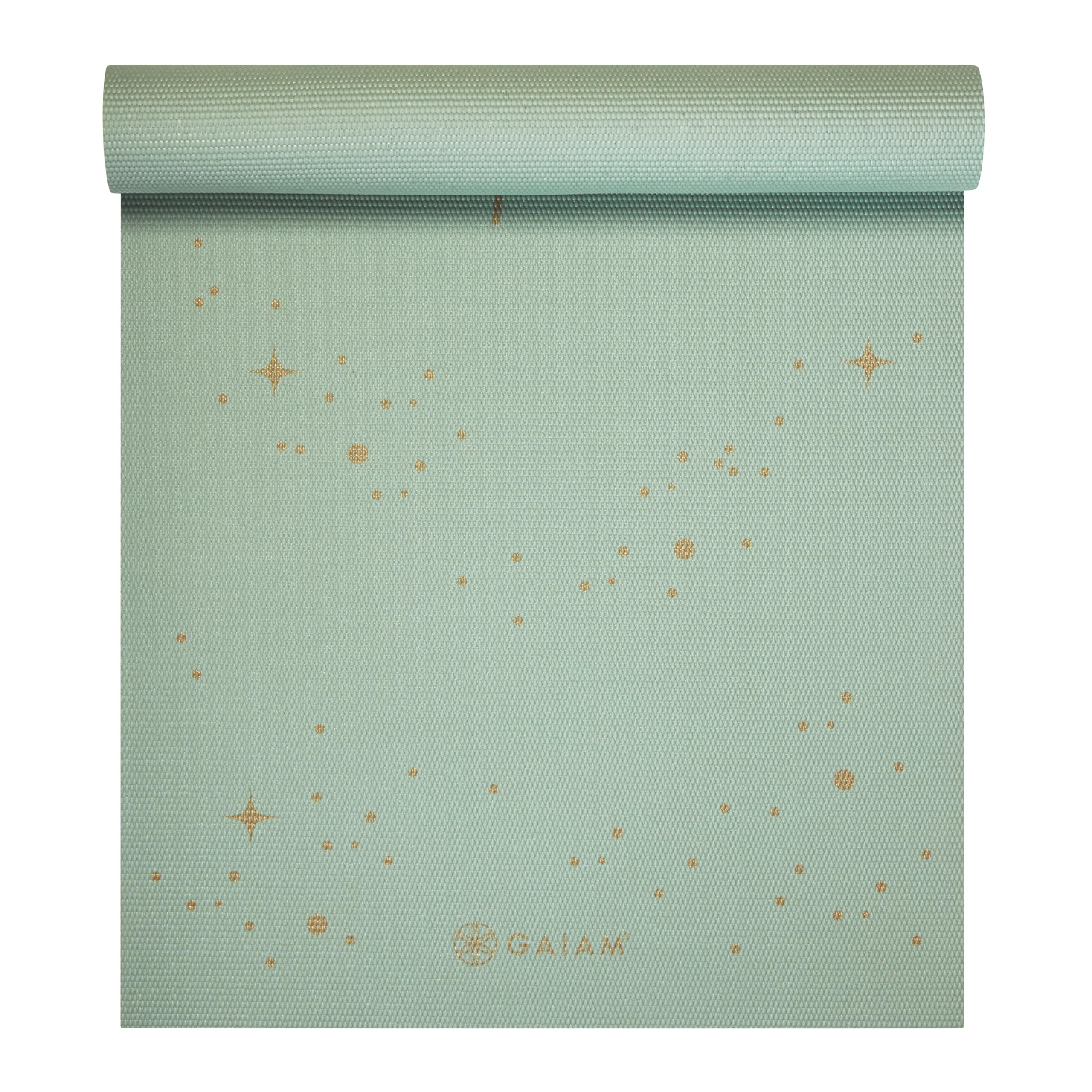
Gaiam Print 4mm

Gaiam Print 4mm

Decorative stretching

Our Score 9.0/10
Check Price

Worth Noting

  • The mat's surface can be slippery even when dry, making it unreliable for active yoga poses.
Material
PVC
Thickness
4mm
Durability
Read the full review

The Gaiam Print Yoga Mat offers eye-catching designs on a budget-friendly 4mm PVC mat, making it a decorative choice for light stretching on carpet. However, its thin cushion and slippery surface—grip is poor even when dry—plus a strong chemical odor, limit it to very gentle floor work rather than any real yoga practice.

Bottom line: Suited for decorative use on carpet or very light stretching, but not for actual yoga practice on hard floors.

#13

Fitvids 1/4-Inch Mat

Fitvids 1/4-Inch Mat

Travel lightweight

Our Score 8.8/10
Check Price

Worth Noting

  • Too thin (6mm) for hard floors
Material
Thickness
6mm
Durability
Flakes and shreds
Read the full review

This budget-friendly mat is remarkably portable at 1.5 lbs and comfortable for basic stretching on carpet. However, its 6mm thickness provides insufficient padding on hard floors, and the material can flake over time, making it a travel backup rather than a daily practice mat.

Bottom line: Best as a travel backup or for stretching on carpet; not suited as a primary home mat.

How to Choose

Thickness

Thickness directly affects joint comfort and balance stability. A 6mm mat (the standard) provides enough cushion for most yoga poses while keeping a firm connection to the floor. Jump to 12mm or 25mm and you gain knee and elbow padding for Pilates or stretching, but lose stability in standing balance poses – your feet sink into the foam, making poses like tree or warrior less steady.

If you primarily practice on hard tile or concrete, a thicker mat (10mm+) reduces pressure points. On carpet, a thin mat (4-6mm) works fine because the carpet itself adds cushion. Choose thickness by your floor type and whether you need extra joint protection.

Material

The three common materials – NBR, PVC, and TPE – each behave differently. NBR foam is soft and cheap, but it's open-cell, meaning it absorbs sweat and tears more easily over time. PVC is denser, more durable, and offers better dry grip, but it's heavier and has a longer outgassing period. TPE is lighter and recyclable, but it's less durable than PVC and can be slippery when wet.

There's no single best material: NBR works for low-intensity use, PVC suits regular studio practice, and TPE appeals to eco-conscious users who accept shorter lifespan. Your choice should match how often you practice and your tolerance for odor and weight.

Grip When Sweaty

Most yoga mats grip well when dry, but moisture breaks down the surface friction. NBR and basic PVC mats become noticeably slippery once your hands or feet sweat. Some mats are explicitly designed for hot yoga with textured surfaces or rubber-based materials (like natural rubber), but those come with a higher price.

If you sweat during practice, look for mats with a closed-cell PVC surface or a textured top layer. Alternatively, use a yoga towel on top of any mat. Testing grip before buying is impossible, so rely on user reports about wet performance – if a product has frequent mentions of slipping, it likely won't hold up in a sweaty class.

Durability

Budget mats (under $30) typically use low-density NBR foam that compresses and tears within months, especially if used on rough surfaces or dragged across floors. Mid-range PVC mats often last 1-2 years with regular use. Premium mats like the Manduka PRO are built to last a decade, but they're heavy and expensive.

Check for signs of wear: edge curling, surface flaking, or indentations. If you practice daily, spending a bit more on a denser material saves money over time. For occasional use, a cheap mat that lasts six months may still be acceptable.

Odor Outgassing

New mats, especially those made of NBR or PVC, emit a strong chemical smell due to volatile compounds released during manufacturing. This is normal and typically fades within 2-5 days of airing out. Some users are more sensitive and find the odor unbearable, leading to returns.

If you have chemical sensitivities, choose a mat labeled as 6P-free or made of TPE, which generally have less odor. Unrolling and airing the mat in a well-ventilated area for a few days before first use reduces the smell. Scent does not indicate quality – it's a production artifact.

Frequently Asked Questions