Yoga & Mobility

13 Best Pilates Mat of 2026: Which Ones Last and Support Your Practice

Find a Pilates mat that balances cushioning, grip, and durability so you don't have to replace it every few months.

A mat that pillages your joints is one thing, but one that disintegrates or turns into a slip-and-slide after a few sessions is another. Most budget mats promise comfort upfront but start tearing or losing grip just when you get into a routine.

The trick is finding a mat that delivers enough padding for floor work without turning unstable under your hands and feet. Thickness matters, but so does material – the foam type determines whether you get a lasting surface or a quick-to-flake sponge.

This guide helps you match the right mat to your practice style, whether you need a no-fuss home mat or something that can survive daily studio use.

#1

BalanceFrom 1" Mat

Top Pick
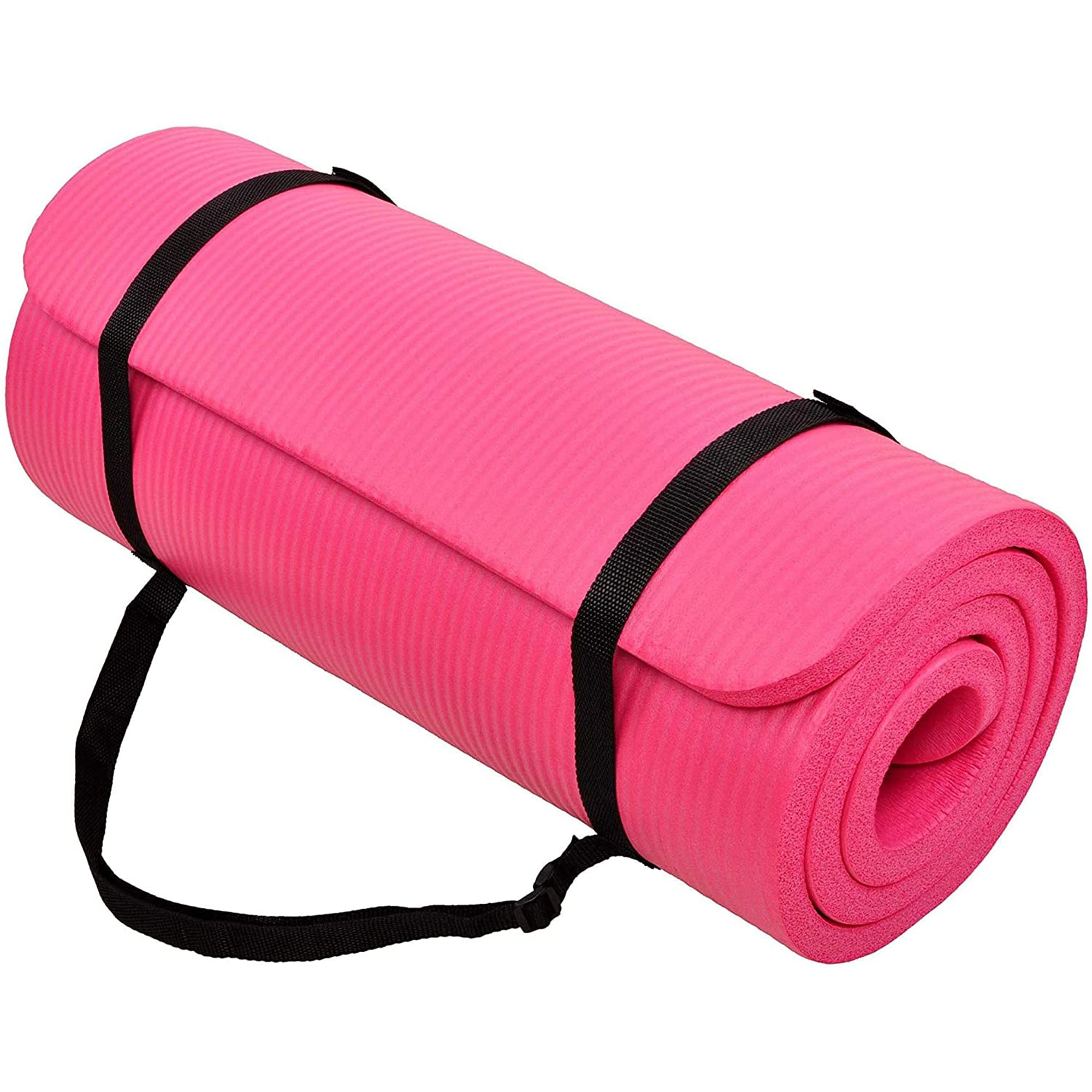
BalanceFrom 1" Mat

Joint pain relief

Our Score 9.4/10
Check Price

Worth Noting

  • Standing balance poses feel wobbly due to the soft, thick foam compressing unevenly.
  • Foam can tear if the mat is rolled tightly or stored under heavy objects.
Material
Foam
Thickness
1 in (25 mm)
Portability
2.2 lbs, strap
Read the full review

With a full inch of foam, this mat provides noticeable cushioning for hips, knees, and back during floor exercises. The surface feels soft but supportive, so you don't sink through to the floor during Pilates core work or restorative yoga holds. Its dense construction holds up to repeated use without losing shape quickly, which matters for anyone who spends time on hard surfaces.

This mat suits people who prioritize padding over precision — if your practice involves mostly seated, lying, or gentle stretching positions, the extra thickness reduces pressure points. However, standing balance poses become less stable because the foam compresses unevenly under weight. Those who need a firm, thin surface for yoga postures should look at the slimmer option in this set.

Tip: Roll loosely and store flat to avoid stress tears in the foam.

Bottom line: A solid choice for joint-sensitive users who spend most of their time on the floor — just don't expect it to hold up for standing yoga or rough storage.

#2

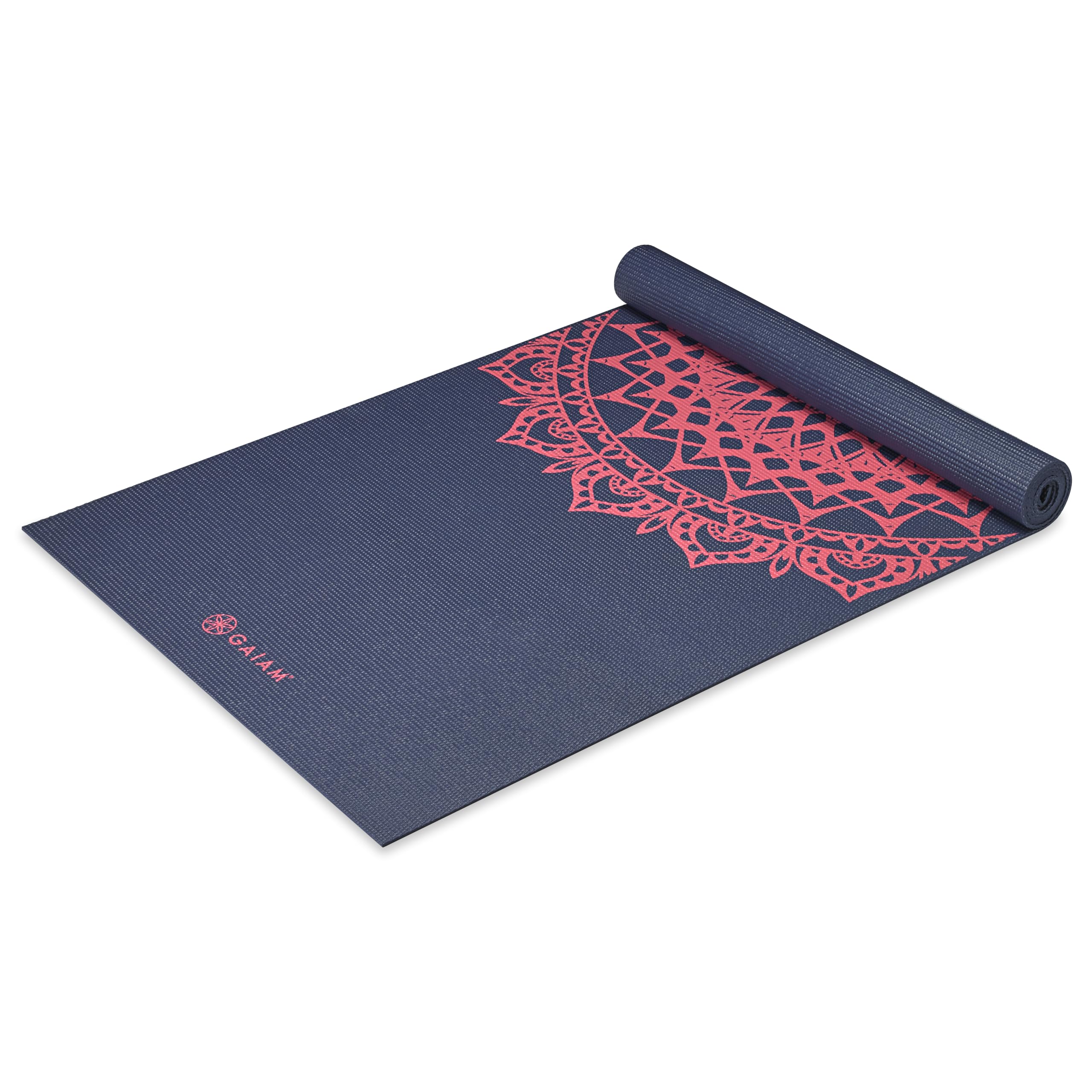
Gaiam 6mm Print Mat

Gaiam 6mm Print Mat

Style-focused beginners

Our Score 9.4/10
Check Price

Worth Noting

  • PVC odor may be noticeable out of the box and needs airing out.
  • Slippery surface when exposed to moisture limits use to low-sweat sessions.
Material
PVC
Thickness
6 mm
Portability
3.1 lbs, strap
Read the full review

The Gaiam print PVC mat brings vivid aesthetics to budget-friendly yoga gear. Its grip outpaces typical NBR mats, making it more suitable for standard poses, though the 6mm thickness sits between thin travel mats and the thicker Gaiam 10mm option. The cushioning works for most routines but feels firmer on hard floors. User feedback highlights satisfaction with the print quality and value.

This mat suits beginners who want an attractive surface for gentle yoga, Pilates, or stretching — dry, low-sweat activities where grip won't be tested. The thin profile means joint protection is limited, and if you practice on hard flooring or tend to sweat, consider the thicker Gaiam 10mm or a non-slip alternative. A noticeable PVC smell upon unpacking is typical and fades after airing out.

Tip: Unroll and air out for a day or two before first use to reduce the initial smell.

Bottom line: A mat for the style-first beginner who sticks to dry practice — leave the hot yoga for another mat.

#3

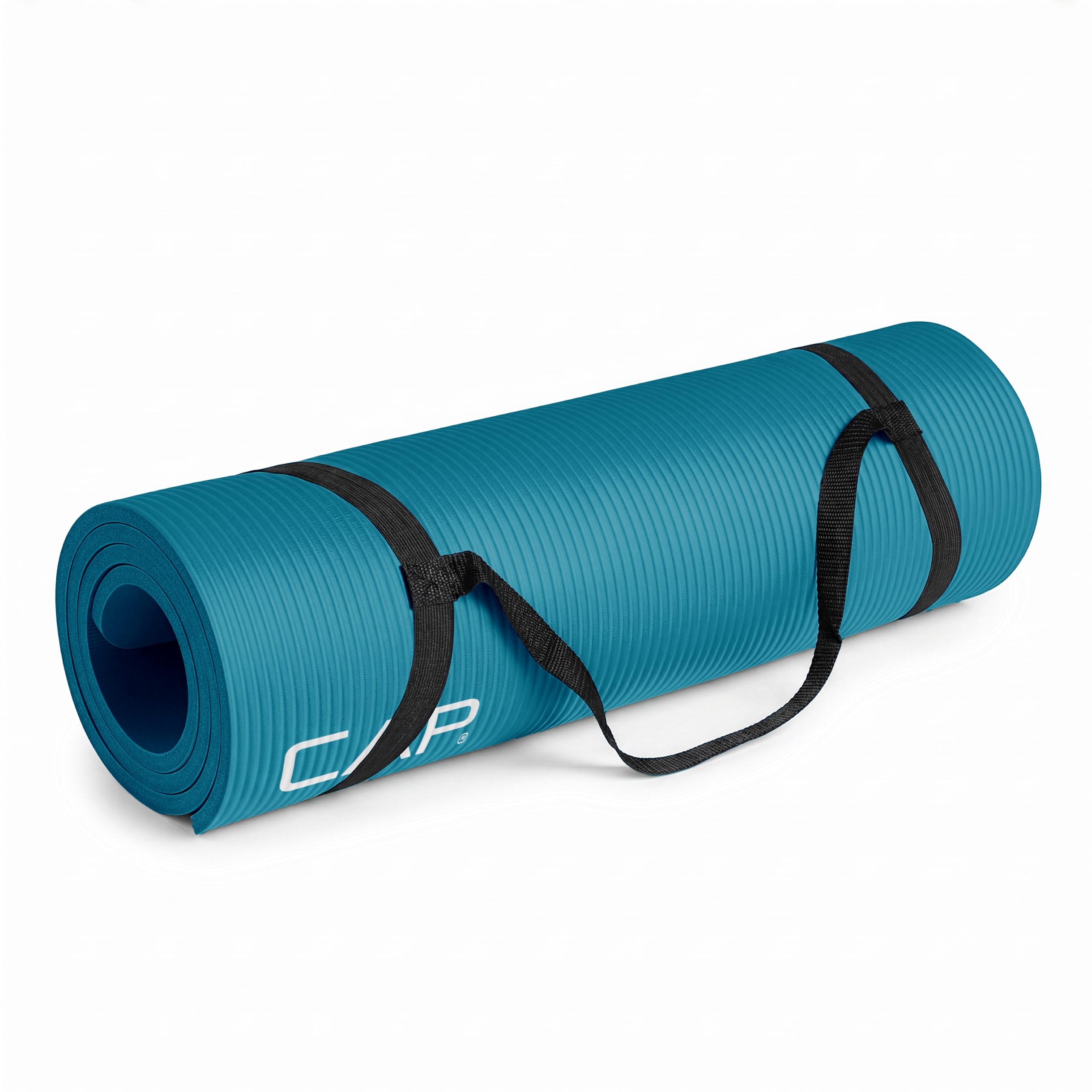
CAP Barbell 1/2" Mat

CAP Barbell 1/2" Mat

Occasional home use

Our Score 9.4/10
Check Price

Worth Noting

  • Mild rubbery smell may be noticeable out of the box
  • Durability is a concern under heavier use
Material
NBR
Thickness
0.47 in (12 mm)
Portability
2 lbs, strap
Read the full review

This mat provides noticeable cushioning for floor exercises like Pilates and yoga, making it a comfortable choice for occasional home sessions. The NBR foam pads joints well without feeling overly soft. However, long-term durability is less established than the more popular budget option in this price range; some users have noted the material can tear under repeated use. A mild rubbery smell may also be present initially, though it dissipates over time.

Bottom line: This mat works well for light, infrequent floor work where budget matters most; for consistent multi-week use, the top-pick Fitvids mat offers better durability track record.

#4

CAP Barbell 2" Folding Mat

CAP Barbell 2" Folding Mat

Gymnastics & aerobics

Our Score 9.4/10
Check Price

Worth Noting

  • Too thick for standing yoga poses where a stable, flat surface is required for balance.
  • Heavier than standard rolled mats, making it less convenient for regular trips to a studio or class.
Material
Foam with nylon
Thickness
2 in (50 mm)
Portability
4.08 lbs, folding
Read the full review

This mat delivers 2 inches of dense foam padding that absorbs impact during tumbling, gymnastics, and aerobics. Its foldable design with handles makes storage in a home gym or closet simple. The nylon cover resists tears and holds up under repeated use. However, the same thickness that provides cushioning creates instability for standing yoga poses or Pilates mat work, where a firm, flat surface is needed. For high-impact floor routines or kids' therapy activities where maximum padding matters, this mat performs well.

Bottom line: Best for gymnastics, tumbling, or kids' play areas where maximum padding is the priority rather than balance or portability.

#5

Fitvids 1/2" + Knee Pad

Fitvids 1/2" + Knee Pad

Home Pilates & yoga

Our Score 9.2/10
Check Price

Worth Noting

  • On very smooth floors, the mat may slide during active sequences
  • Some users experience tearing at the edges over time
Material
Foam
Thickness
0.5 in (13 mm)
Portability
2.2 lbs, strap
Read the full review

The half-inch foam cushions joints during floor exercises while remaining stable enough for standing poses. The included knee pad adds targeted padding for kneeling postures, making this a complete kit for home practice.

The mat's surface offers reasonable grip on most surfaces, though on very smooth floors like tile or hardwood some users may notice sliding during dynamic movements. The foam construction provides consistent support across a session without bottoming out under body weight.

Ideal for home practitioners seeking a complete set for yoga, Pilates, and floor work who want ample cushioning without the instability of thicker mats. If you practice hot yoga or need maximum grip on slick floors, a textured PVC mat would be a better fit.

Tip: To reduce sliding on tile or wood, try placing a non-slip rug pad underneath the mat.

Bottom line: For home practice where cushioning and a complete kit matter more than maximum grip or indefinite durability, this mat delivers solid performance at a budget-friendly price.

#6

Manduka PRO 6mm

Manduka PRO 6mm

Daily serious practice

Our Score 9.2/10
Check Price

Worth Noting

  • At 7.5 lbs, carrying it to a studio or class is a workout in itself.
  • Initial PVC smell can be strong in a closed room during the first week.
Material
Closed-cell PVC
Thickness
6 mm
Portability
7.5 lbs
Read the full review

The Manduka PRO's dense closed-cell PVC construction and lifetime warranty set it apart from budget options like the Fitvids 1/2-inch mat. It provides stable, non-compressing support for standing poses and floor work, with a wider 26-inch surface area that accommodates broader movements. This is not a mat for casual use — it's designed to endure years of daily practice, which is why it costs more and weighs 7.5 lbs.

This mat suits dedicated yoga and Pilates teachers or practitioners who practice several times a week and prioritize longevity over portability. The weight makes it impractical to carry to classes, and new owners should expect an initial break-in period before the surface reaches its best grip. A temporary PVC odor is also present upon opening — it dissipates over time. For those who can keep the mat at home or in a studio and accept these upfront tradeoffs, the PRO delivers a stable, slip-resistant platform that holds up through heavy use.

Tip: Wash the mat with a saltwater solution and hang it to air out to reduce the break-in period and initial odor.

Bottom line: For the committed practitioner who practices at home or in a fixed studio, the Manduka PRO's lifelong build quality and stable grip make it a sound investment — but not for those who need a portable mat.

#7

Gaiam 10mm Mat

Gaiam 10mm Mat

Casual home use

Our Score 9.2/10
Check Price

Worth Noting

  • Initial chemical smell can persist despite airing out for several days
  • Surface wear such as cracking or flaking may appear after a few months of regular use
Material
NBR
Thickness
10 mm
Portability
2.05 lbs, strap
Read the full review

The Gaiam 10mm mat delivers noticeable joint comfort for floor-based Pilates and gentle yoga at a budget-friendly price. Its NBR foam provides a plush surface that cushions knees and wrists during seated stretches and core work, which is the primary reason to consider it over the slimmer Gaiam print mat. The included carrying strap adds convenience for storage or trips.

This mat suits casual users who practice a few times a week and prioritize softness over longevity. The initial chemical odor can linger for days even after airing out, and the surface may show wear — cracking or flaking — within a few months of regular use. Those who are sensitive to smells or need a mat to hold up to daily practice will find better options in denser materials.

Tip: Unroll the mat outdoors for a few days to help dissipate the initial odor before your first session.

Bottom line: A decent pick if you want thick padding for occasional use and can work around the odor and shorter lifespan — otherwise, the top pick Fitvids offers better durability for a similar cost.

#8

Amazon Basics 1/2" Mat

Amazon Basics 1/2" Mat

Gentle floor exercises

Our Score 9.2/10
Check Price

Worth Noting

  • Foam surface can become slippery with sweat or during quick movements
  • Foam may show signs of wear or surface damage with regular use over time
Material
NBR
Thickness
0.5 in (13 mm)
Portability
2.2 lbs, strap
Read the full review

This thick NBR mat delivers noticeable padding for floor-based Pilates, yoga, and stretching, making it a budget-friendly option for those who prioritize joint comfort over non-slip performance. The soft foam absorbs impact well on hard floors, but the surface can feel slick during sweaty sessions or dynamic transitions, and the material may show surface wear over time with regular use. It works best for low-impact, stationary routines where you don't need a secure grip or years of heavy-duty service — a reasonable trade-off given the price.

Bottom line: A thick, soft mat for low-impact floor work where grip and long-term durability are secondary concerns.

#9

ProsourceFit 1/2" Mat

ProsourceFit 1/2" Mat

Light stretching

Our Score 9.2/10
Check Price

Worth Noting

  • Grip may be insufficient on hard floors or when sweaty
  • Mat can compress or tear with regular use
Material
NBR
Thickness
0.5 in (13 mm)
Portability
2.5 lbs, strap
Read the full review

The ProsourceFit mat delivers thick cushioning that protects joints during light stretching and floor exercises, making it a budget-friendly option for occasional use. However, compared to similarly priced mats, it is more prone to tearing and slipping, which restricts its suitability to gentle, infrequent routines rather than regular yoga or Pilates practice.

Bottom line: Best for someone who needs a thick mat for gentle floor stretches on a tight budget, and who does not plan to use it more than a few times a week.

#10

Fitvids 1/2" Mat

Fitvids 1/2" Mat

Budget-conscious users

Our Score 9.0/10
Check Price

Worth Noting

  • The foam can compress or develop tears with regular use
  • The mat may shift on smooth or hard floors
Material
NBR
Thickness
0.5 in (13 mm)
Portability
2.2 lbs, strap
Read the full review

At a budget-friendly price, this Fitvids mat delivers the thickest cushioning in its price range – a clear priority for anyone doing floor exercises on hard surfaces. The included carrying strap adds portability that thinner budget mats lack. Where the top pick goes a step further is the bonus knee pad and slightly more consistent build quality.

This mat suits beginners and occasional users who want maximum comfort for gentle Pilates, yoga, or stretching routines without spending much. The foam can compress or show tears with regular use, and the surface may slide on smooth floors – boundaries that matter only if you practice more than a few times per week or need a stable grip during sweaty sessions.

Tip: Use on carpet or place a non-slip pad underneath when practicing on hard floors to reduce sliding.

Bottom line: If you need thick padding for occasional floor work and won't push it daily, this is the most cost-effective option available.

#11

Gruper 6mm TPE Mat

Gruper 6mm TPE Mat

Eco-conscious users

Our Score 9.0/10
Check Price

Worth Noting

  • Grip may be insufficient during sweaty or dynamic sessions
  • Durability can vary
Material
TPE
Thickness
6 mm
Portability
2.6 lbs, strap
Read the full review

The Gruper mat uses TPE, a more eco-friendly material than standard PVC or NBR foams. Its 6mm thickness provides decent comfort for low-impact yoga and stretching on carpet. However, the TPE construction can be fragile — some units may develop surface wear over time — and the grip may not hold up during sweaty sessions. This is a reasonable choice if environmental footprint is your priority and your practice stays gentle.

Bottom line: A worthwhile pick if your practice is gentle, your floor is carpeted, and you value an eco-friendly material over maximum durability.

#12

Gaiam 4mm Print Mat

Gaiam 4mm Print Mat

Style-first beginners

Our Score 9.0/10
Check Price

Worth Noting

  • 4mm padding can feel inadequate on hard floors, limiting comfort to carpeted surfaces.
  • Surface traction may decrease when damp, making it less suitable for warm sessions.
Material
PVC
Thickness
4 mm
Portability
2.09 lbs, strap
Read the full review

The Gaiam Print Yoga Mat offers vibrant, unique patterns at a low price point. Material compromises restrict its practical use to light, non-weight-bearing floor activities such as gentle stretches or brief yoga sequences. This mat works well for beginners who prioritize visual appeal over performance, or as a spare mat for guests.

Bottom line: Reserve this mat for decorative use or very occasional, non-sweaty routines where style matters more than function.

#13

Fitvids 1/4" Mat

Fitvids 1/4" Mat

Travel / light use

Our Score 8.8/10
Check Price

Worth Noting

  • On hard floors, the 1/4-inch thickness provides minimal cushioning for joints.
  • The foam material may shed or flake with use over time.
Material
Foam
Thickness
0.25 in (6 mm)
Portability
1.5 lbs, strap
Read the full review

The Fitvids 1/4-inch mat is the lightest and cheapest option at under 1.5 pounds, ideal for emergency travel use. However, its thin foam offers little cushioning on hard floors, and the material may shed over time. The product listing also contains inconsistent thickness claims. For anyone needing a cushioned, non-slip mat for regular Pilates or yoga, this mat falls short.

Bottom line: Best suited for travelers who prioritize weight and low cost over comfort, and are willing to replace the mat as needed.

How to Choose

Thickness: Cushioning vs. Stability

Thicker mats (1/2 to 1 inch) feel soft on knees and tailbone but can make standing poses feel wobbly. The foam compresses unevenly under your weight, reducing contact with the floor.

For Pilates mat work where you spend most time lying or kneeling, 1/2 inch is a reliable middle ground. If you also do standing yoga, a 6mm mat provides better balance without sacrificing too much padding.

Material: NBR, PVC, or TPE

NBR foam is cheap and plush but tends to tear, absorb sweat, and emit a strong chemical smell that lingers. PVC is denser and more durable but can be slippery when wet. TPE is a lighter, eco-friendlier option with decent grip but less longevity.

Closed-cell PVC (like Manduka PRO) resists moisture and requires a break-in period before the surface grips well. Open-cell foams (NBR) stay soft but degrade faster.

Non-Slip Grip

Grip depends on both the material and the floor surface. NBR mats often slide on hardwood and become slick with sweat. PVC mats have better initial grip on dry floors but lose traction when wet.

A textured top surface helps, but no budget mat offers reliable grip in sweaty conditions without a rug underneath. For low-sweat Pilates, most mats are adequate.

Durability: How Long Will It Last?

NBR mats typically start flaking or tearing within a few months of frequent use. PVC and TPE mats last longer, but the foam density matters – thin closed-cell PVC can survive years if not abused.

Lifetime warranties (like Manduka) only exist on premium mats. For budget picks, expect to replace the mat every 6-12 months unless you use it lightly.

Portability: Weight and Straps

Standard 1/2-inch NBR mats weigh around 2 pounds and come with carrying straps, making them easy to bring to class. Thicker mats (1 inch) weigh the same but are bulkier rolled up.

Premium mats like Manduka PRO weigh nearly 8 pounds – too heavy for frequent travel. Folding mats are more portable but bulky when packed.

Frequently Asked Questions