Strength & Weights

5 Best Slam Balls of 2026: The Ones That Balance Grip and Durability

Slam balls all claim balanced weight, but sand shifts. This guide helps you pick the one that suits your grip needs and training style without wasting money.

Every sand-filled slam ball shifts inside. That wobble isn't a defect — it's how dead-weight training works. But marketing copy rarely mentions it, leaving many buyers frustrated when their new ball doesn't feel solid overhead.

The real difference between a good slam ball and a frustrating one comes down to grip texture and build quality. A ball that stays in your hand when sweaty and survives repeated slams on concrete is worth paying for. One that slips or splits isn't.

This guide focuses on what actually matters: how each ball handles real-world use, so you can match one to your training style without overcomplicating the choice.

#1

Yes4All Slam Ball

Top Pick
Yes4All Slam Ball

CrossFit training

Our Score 9.4/10
Check Price

Worth Noting

  • Raised rubber nubs may feel abrasive on bare hands during long sessions
  • Sand can shift during overhead throws, requiring extra stabilization
Diameter
9.75 in (10lb)
Grip Texture
Dodgeball-style raised nubs
Sand Stability
Sand shifting noticeable
Weight Options
10-40 lb
Read the full review

The Yes4All Slam Ball holds up to hard slams and throws with a tacky dodgeball-style surface that stays grippy even when hands get sweaty. Over months of heavy use, the PVC shell shows little wear, making it a cost-effective alternative to premium brands for CrossFit and conditioning work.

This ball suits home gym owners and CrossFit athletes who want a tough, low-cost option for slams and core work. Like all sand-filled balls, the fill can shift during overhead movements — expect a bit of wobble and adjust your grip accordingly. The textured nubs may feel rough on bare hands during longer sets, though gloves solve that easily.

Tip: For overhead throws, anticipate the sand shifting and brace your core to maintain control.

Bottom line: For CrossFit slams and home gym conditioning, this ball delivers durable grip and long life at a price that undercuts most rivals.
#2

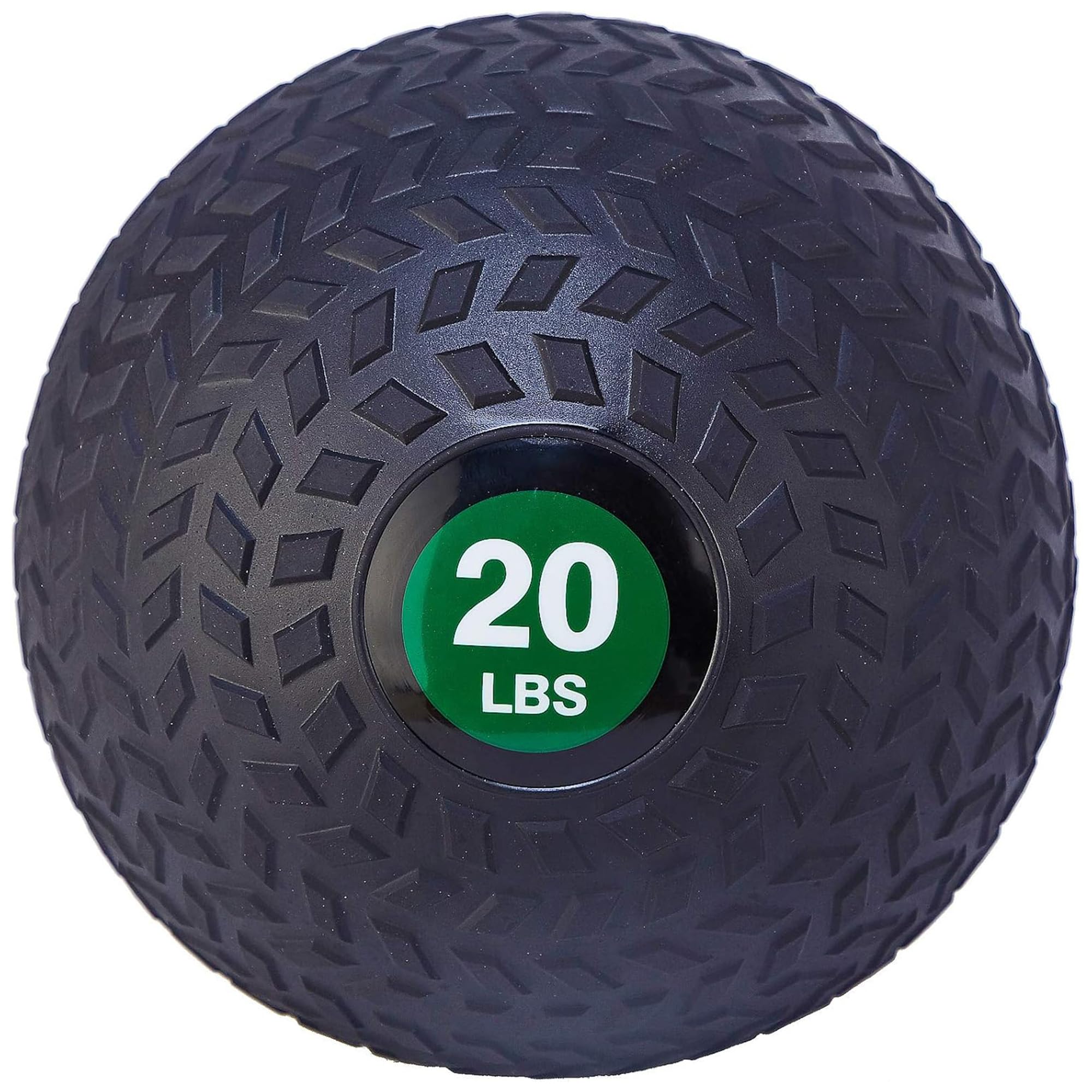
Fitvids Slam Ball

Fitvids Slam Ball

CrossFit & HIIT

Our Score 9.4/10
Check Price

Worth Noting

  • Weight distribution can vary between units, noticeable during overhead moves
  • Textured ridges may cause finger rawness during long sessions
Diameter
9 in (20lb)
Grip Texture
Raised ridges
Sand Stability
Occasional imbalance
Weight Options
20 lb (other sizes)
Read the full review

The Fitvids Slam Ball features a grippy textured surface that provides consistent control during throws and slams. Its robust rubber construction withstands repeated impact on concrete floors, and the two-year warranty backs its durability. Unlike the volume-leading Yes4All option, this ball offers a more premium feel, though it costs slightly more.

This ball suits CrossFit athletes and home gym users who value grip and durability over the lowest price. The occasional unit may have uneven weight distribution, and the textured ridges can become abrasive on fingers during prolonged gripping sessions. For those who need perfectly symmetrical weight for overhead pressing, some sand shift is expected, but severe imbalance is rare.

Tip: Consider wearing light workout gloves for extended sessions to avoid finger irritation.

Bottom line: For buyers who prioritize grip and durability over the absolute minimum spend, the Fitvids Ball delivers a premium experience with a solid warranty. The minor risks of weight imbalance and finger abrasion are manageable tradeoffs for most users.

#3

ProsourceFit Slam Ball

ProsourceFit Slam Ball

Progressive training

Our Score 9.4/10
Check Price

Worth Noting

  • Grip can feel slippery once hands get sweaty, reducing control during intense sessions
  • Sand may shift during overhead lifts or throws, causing a wobble that affects balance
Diameter
15 in (20lb)
Grip Texture
Tread textured
Sand Stability
Frequent sand shift
Weight Options
5-50 lb
Read the full review

ProsourceFit covers 5 to 50 lb with one warranty, so you can move up in weight without buying from a different brand. The PVC shell holds up to repeated slams, and the range suits home gyms that grow over time.

This is for athletes who want a single warranty across multiple weights and don’t mind a ball that can get slippery when hands are sweaty. The sand fill may shift during overhead moves, making it less stable than the top pick for throws or lifts. For floor slams and core conditioning, it works well.

Tip: Keep this ball for floor slams and core work rather than overhead throws to avoid the sand shift.

Bottom line: For athletes who need a range of weights and value a single warranty, this is the sensible option. Those who prioritize grip and overhead stability should consider the top pick.

#4

Amazon Basics Slam Ball

Amazon Basics Slam Ball

Beginner home gym

Our Score 9.4/10
Check Price

Worth Noting

Diameter
7.87 in (15lb)
Grip Texture
Smooth PVC
Sand Stability
Weight shifts often
Weight Options
15 lb
Read the full review

The Amazon Basics Slam Ball's compact 7.87-inch diameter makes it easy to store and approachable for beginners just starting with slam ball training. The weight shifts noticeably during throws, and the small size may feel cramped for users with larger hands — tradeoffs that make this ball best suited for basic floor slams, core exercises, and light conditioning where dynamic overhead lifts aren't a priority. It's a functional starter from a trusted brand at a budget-friendly price.

Bottom line: If you need a no-fuss starter ball for light training and storage is a priority, the Amazon Basics Slam Ball provides functional performance without overspending.

#5

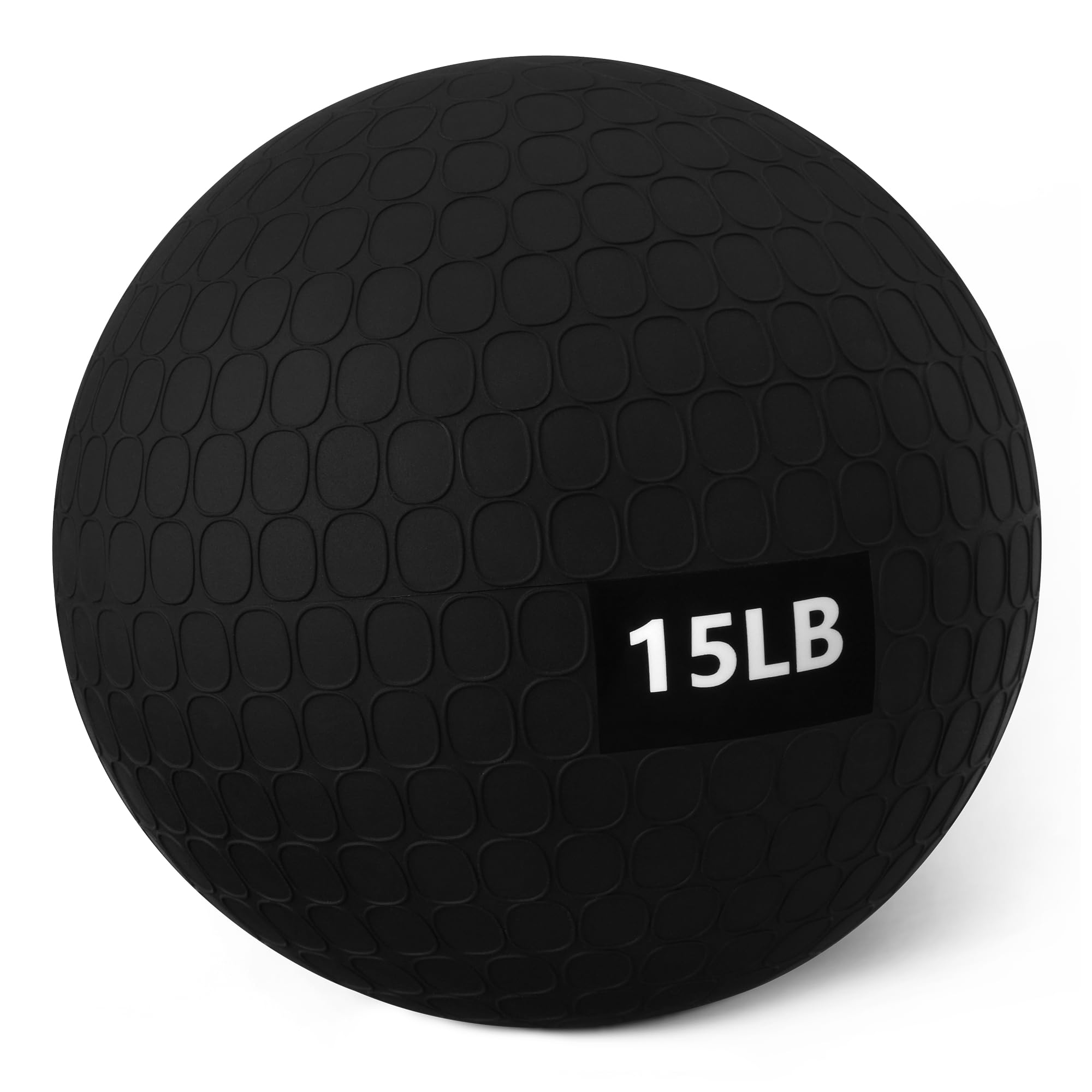
Trademark Slam Ball

Trademark Slam Ball

Light floor use

Our Score 9.4/10
Check Price

Worth Noting

  • Sand plug may come loose, spilling sand over time
  • Softer PVC shell reduces impact feel during hard slams
Diameter
9 in (15lb)
Grip Texture
Smooth PVC
Sand Stability
Sand leakage possible
Weight Options
15 lb
Read the full review

This 15lb slam ball offers a functional entry point for those hesitant to invest in heavier training. The PVC shell holds up for controlled floor work, throws, and core exercises. However, the filler plug can loosen over time, leading to sand leakage, and the softer construction dampens impact satisfaction during hard slams. This suits budget-conscious buyers who prioritize cost over slam performance and don't need daily abuse.

Tip: Inspect the plug periodically and consider securing it with a drop of glue to prevent sand leaks.

Bottom line: A reasonable starter ball for light use, but those planning regular slamming should budget for a more durable alternative.

How to Choose

Weight Range and Availability

Wider weight ranges let you progress without buying multiple balls, but heavier options (40 lb+) often come with a larger diameter that can feel awkward to catch. A 20 lb ball from one brand may be 9 inches across, while another is 15 inches — that difference affects how it fits in your hands during throws.

If you plan to use the ball for wall-ball targets, check diameter against the target height. Most targets are built for a standard 9-inch ball; oversized ones bounce differently.

Grip Texture

Textured grips like raised nubs or ridges provide more traction when hands get sweaty, but they can also abrade skin over many reps. Smooth PVC feels easier on bare hands but becomes slippery quickly under sweat. There is no perfect grip — only a trade-off between control and comfort.

For high-rep CrossFit metcons, a rougher surface helps you hold on. For casual floor exercises, a smoother ball may be more pleasant. Consider using gloves if texture irritates you.

Diameter

Diameter varies widely even at the same weight. A small 7.8-inch ball feels denser and can be harder to catch, while a larger ball spreads the mass and may bounce less predictably. Your hand size matters: larger hands prefer bigger diameters for a secure hold. If you buy a ball that's too small, you may compensate with extra grip effort.

Sand Fill Stability

All sand-filled balls shift inside during movement. This is normal and actually helps with dead-weight effect, but extreme imbalance — where the ball feels lopsided at rest — indicates a defect. That level of shift can cause the ball to wobble during overhead lifts, requiring extra stabilizer muscle work. If you notice a consistent lean, return it.

Build Quality and Warranty

PVC thickness and seam integrity determine how long a slam ball survives repeated concrete slams. Cheaper models often use thinner shells that split or develop plug failures. A longer warranty (2 years or lifetime) usually correlates with better materials. However, warranty claims for 'normal wear' on sand-filled balls may be limited, so check the fine print.

Frequently Asked Questions