Recovery

14 Best Peanut Massage Ball of 2026: Match Your Body Type and Pressure Preference

Which peanut ball actually targets your knots without being too hard or too small? We help you find the right firmness and size.

Peanut massage balls look nearly identical on a shelf, but the difference between effective relief and a painful mistake comes down to two things: size and firmness. A ball that fits a smaller frame perfectly can miss the spine entirely on a broader back, and what feels like a satisfying press to one person can feel like a rock on bone to another.

That’s the real divide in this category. Most balls are made from similar rubber compounds at similar prices, so the choice isn’t about brand loyalty — it’s about matching your body’s shape and how much pressure you can tolerate. Vibrating models add another layer, but their battery reliability introduces a trade-off that matters if you plan to use it regularly.

Focus on getting the right dimensions and density first. Once that’s locked in, the rest is just extras.

#1

RAD Original Peanut Ball

Top Pick
RAD Original Peanut Ball

Medium density, travel

Our Score 9.2/10
Check Price

Worth Noting

  • Costs more than most competing non-vibrating peanut balls
  • Can feel too hard on ribs, spine, or other bony contact points
Size
6 x 2.5 x 2.5 in
Weight
12 oz
Firmness
Medium
Material
Silicone
Read the full review

The RAD Original uses a medium-density silicone surface that stays put on skin and clothing, reducing the sliding common with hard rubber balls. This material choice makes it a strong option for trigger-point work on the back, neck, and feet where control matters. The tradeoff is a price above most non-vibrating peanut balls, and the firmness can still feel too high on bony areas like the spine or ribs. Best for users who want a non-slip grip and a density between a lacrosse ball and a soft foam roller, but who don't need the absolute cheapest option.

Tip: Avoid direct bone contact — use on muscle bellies or over clothing to moderate the pressure.

Bottom line: A premium-feeling silicone ball that earns its price for those who prioritize grip and a less aggressive density, but it's not a budget pick and may still overwhelm sensitive areas.

#2

Rolling With It Vibrating

Rolling With It Vibrating

Athletes, deep recovery

Our Score 9.2/10
Check Price

Worth Noting

  • At 2 lbs, it is heavier than standard lacrosse balls
  • Battery life can be inconsistent; some units may not hold a charge as expected over time.
Size
6.7 x 3.7 x 3.7 in
Weight
2 lbs
Firmness
Firm
Material
Silicone
Read the full review

The Rolling With It Vibrating Peanut Massage Ball is the highest-rated vibrating option in this category, thanks to its powerful motor and solid build quality that delivers deep muscle relief effectively. However, like many vibrating balls, battery life can vary between units — some may not hold a charge over time — and at 2 lbs it is heavier than non-vibrating alternatives. This makes it best for athletes and chronic pain sufferers who prioritize vibration-enhanced recovery over simplicity and are willing to invest in a premium tool.

Tip: Charge fully before each use and avoid storing with a depleted battery to help maintain performance.

Bottom line: If vibration-assisted recovery is your priority and you can accept occasional battery variability, this is the best-built vibrating peanut ball available.

#3

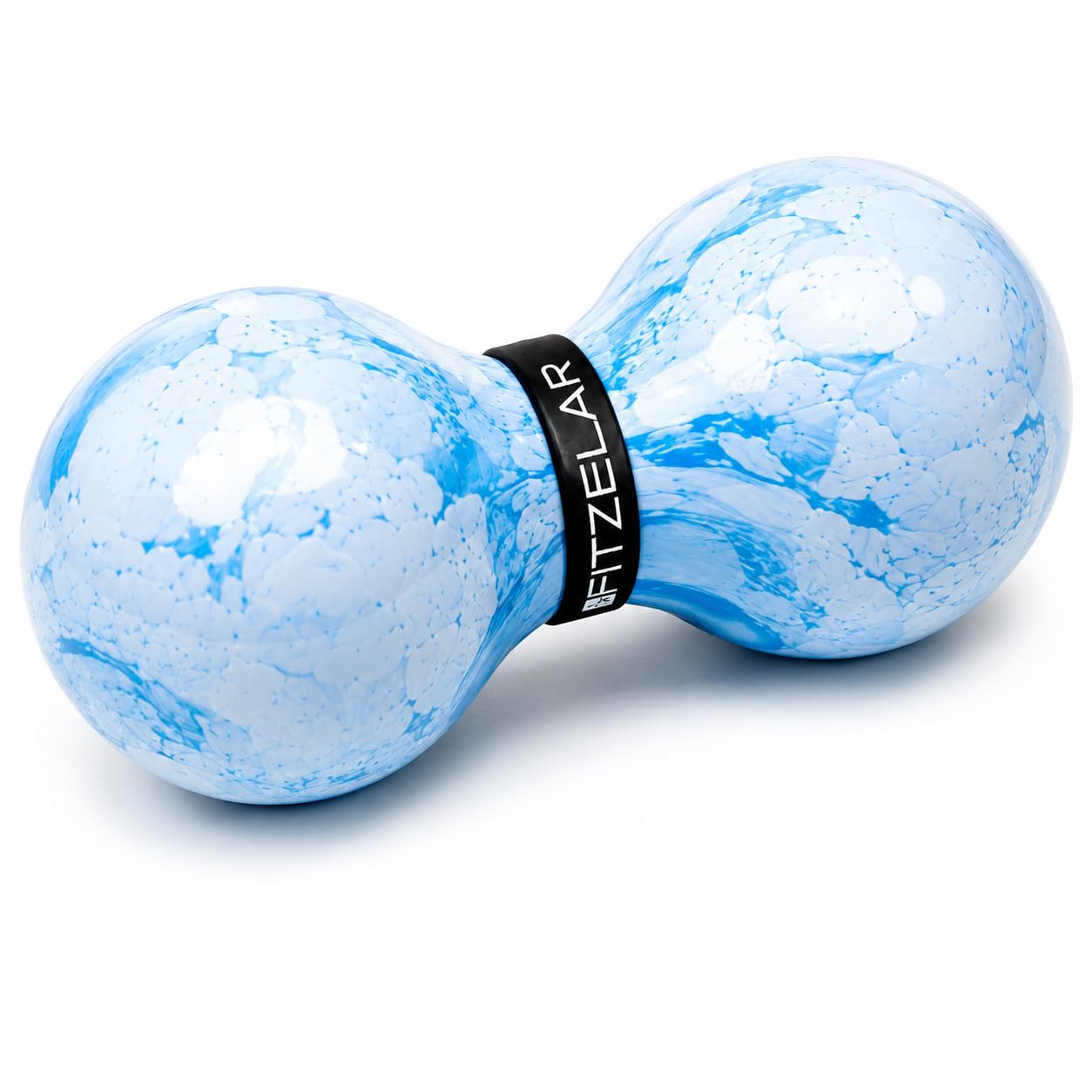
FITZELAR Peanut Ball

FITZELAR Peanut Ball

Certified quality, firm

Our Score 9.2/10
Check Price

Worth Noting

  • May cause discomfort on bony areas or for those unaccustomed to firm massage tools
Size
5.1 x 2.6 x 2.6 in
Weight
11.3 oz
Firmness
Moderate
Material
Natural rubber
Read the full review

Certified 100% natural rubber gives this peanut ball consistent firmness and low cost. It works well for neck and back tension, but the strong pressure can be painful on bony areas or for newcomers — a good fit if you want a reliable hard ball and can handle the intensity.

Bottom line: A safe, budget-friendly peanut ball for experienced users who want a firm, certified option — less suitable for those needing a softer touch.

#4

5BILLION FITNESS Peanut Ball

5BILLION FITNESS Peanut Ball

Firm, smaller frames

Our Score 9.0/10
Check Price

Worth Noting

  • 5-inch length may be too short for users with broad backs
  • Very firm surface can be uncomfortable for beginners or sensitive areas
Size
5 x 2.5 x 2.5 in
Weight
12.6 oz
Firmness
Firm
Material
Natural rubber
Read the full review

A double lacrosse ball that delivers firm, targeted pressure to trigger points without softening under repeated use. The 100% natural rubber construction holds its shape over time, making it a durable tool for regular muscle work. Value is strong for a single ball — it performs as well as options costing twice the price.

However, the 5-inch length and firm hardness create boundaries. Users with broad backs may find it too small to span both sides of the spine effectively. Beginners or those with low pain tolerance should expect a strong sensation — applying through a towel can moderate pressure. This ball is best for experienced users with average to smaller frames who need deep, concentrated release.

Tip: If the firmness feels too intense, start with a folded towel between the ball and skin to moderate pressure.

Bottom line: A consistent, durable peanut ball that delivers on its promise for deep tissue work — best for average-sized users who want a firm tool without extra features.

#5

Sports Medica Peanut Ball

Sports Medica Peanut Ball

Versatile pain relief

Our Score 9.0/10
Check Price

Worth Noting

  • Firm texture divides opinion
  • Small size (approx 5 x 2.5 inches) limits effectiveness for full-width back work, best for spot treatment.
Size
5 x 2.5 in approx
Weight
8 oz
Firmness
Firm
Material
Latex-free high-density
Read the full review

This peanut ball draws consistent praise for its ability to ease lower back tension, neck knots, and plantar fasciitis pain — a range of relief unusual for a single tool. Physical therapists often recommend it for these specific areas. The firm surface (harder than a tennis ball) delivers effective deep pressure but divides users on comfort. Best for those who want a budget-friendly, therapist-backed tool for spot treatment on feet, spine, and neck, and who are comfortable with a firm, direct massage surface.

Tip: Start with shorter sessions on bony areas to gauge your tolerance for the firm surface.

Bottom line: For targeted spot relief on common pain areas like the lower back and feet, this PT-recommended peanut ball is a budget-friendly choice — provided you’re comfortable with a firm surface that not everyone loves.

#6

SUVIUS Vibrating Roller

SUVIUS Vibrating Roller

Travel, vibration value

Our Score 9.0/10
Check Price

Worth Noting

  • Battery life can be inconsistent; some units may not hold a charge after extended use.
Size
6.9 x 3.6 x 3.6 in
Weight
1.8 lbs
Firmness
Firm
Material
Silicone
Read the full review

SUVIUS's vibrating peanut roller costs less than the top vibrating option while still providing strong relief for back and calves. Its three vibration levels and wave pattern offer good intensity. The catch: battery life can be inconsistent, with some units losing the ability to hold a charge over time. This makes it a reasonable choice for budget-conscious buyers who can accept that risk.

Bottom line: Best for buyers who want vibrating therapy on a budget and are comfortable with the possibility of battery degradation over time.

#7

MURLIEN Peanut Ball

MURLIEN Peanut Ball

Budget, basic needs

Our Score 9.0/10
Check Price

Worth Noting

  • Sparse user feedback makes durability and consistency hard to gauge
Size
4.9 x 2.5 x 2.5 in
Weight
10.8 oz
Firmness
Firm
Material
Rubber (assumed)
Read the full review

Effectively releases neck tension and stiff back with its firm double-ball shape. At a budget-friendly price, it delivers solid self-massage performance. However, sparse user feedback leaves long-term consistency and potential issues unclear — the more-reviewed budget alternative is a safer bet.

Bottom line: A low-cost entry for those comfortable with uncertainty, but buyers wanting years of consistent performance should choose the more-reviewed budget option.

#8

SIMPLECOOL Hard Peanut

SIMPLECOOL Hard Peanut

Budget, pinpoint pressure

Our Score 8.8/10
Check Price

Worth Noting

  • Smaller than typical massage balls, limiting coverage for larger muscle groups.
  • Extreme firmness can be painful on bony areas, best reserved for experienced users.
Size
4.8 x 2.4 x 2.4 in
Weight
4.9 oz
Firmness
Very hard
Material
TPR
Read the full review

Under $9, the SIMPLECOOL Hard Peanut delivers aggressive pinpoint pressure that rivals much pricier options. Its extreme hardness makes it a go-to for experienced users targeting deep trigger points in the neck and shoulders. This ball suits budget shoppers who need maximum pressure and don't mind a small, unforgiving surface. But the extreme firmness and smaller size limit its audience — beginners and those with low pain tolerance will likely find it too painful, especially on bony areas.

Tip: Focus on fleshy muscle bellies rather than rolling directly on bone to avoid sharp pain.

Bottom line: For experienced users who need aggressive pressure at the lowest cost, this delivers — but it's not a general-purpose ball for everyone.

#9

AllPlay Peanut Roller

AllPlay Peanut Roller

Budget travel ball

Our Score 8.8/10
Check Price

Worth Noting

  • Firmness can vary between units, with some feeling too hard or too soft.
  • The peanut shape is smaller than expected, limiting coverage on larger back areas.
Size
5.5 x 2.4 x 2.4 in
Weight
9.6 oz
Firmness
Firm
Material
TPR
Read the full review

This budget-friendly peanut ball delivers effective trigger point relief for back pain and tight muscles. While it lacks the consistent firmness of the more expensive alternative, its lightweight build and low price make it a good entry-level option. Best suited for users with smaller body frames who need a portable tool for spot treatment, but those with broader backs may find the size limiting.

Tip: For broader back work, consider using two single lacrosse balls together.

Bottom line: A budget-friendly option that works well for targeted spot treatment on smaller frames, though those wanting consistent firmness may prefer a more consistent alternative.

#10

Zyllion Vibrating Ball

Zyllion Vibrating Ball

Mid-price vibration, warranty

Our Score 8.8/10
Check Price

Worth Noting

  • Battery life may be short; some units have trouble holding a charge
Size
6 x 4 x 4 in
Weight
2 lbs
Firmness
Firm
Material
Silicone
Read the full review

This vibrating peanut ball offers effective muscle relief with four vibration modes and a three-year warranty, adding peace of mind in a category where battery longevity varies. However, battery life can be inconsistent across units, and its overall rating is lower than the top vibrating pick — the tradeoff for a warranty-backed option.

Bottom line: A good fit if you value warranty protection and multiple intensity settings over guaranteed battery life — the premium top pick has fewer battery concerns.

#11

KITWILD Cork Peanut

KITWILD Cork Peanut

Eco-friendly, firm grip

Our Score 8.8/10
Check Price

Worth Noting

  • Very hard cork can be uncomfortable on bony or sensitive areas.
Size
6 x 3 x 3 in
Weight
7.05 oz
Firmness
Firm
Material
Cork
Read the full review

This cork peanut ball offers a firm, eco-friendly alternative to rubber. It effectively targets deep muscle knots and fascia. However, cork is naturally hard, making it less forgiving on bony areas, and there are durability concerns: the cork may crack or flatten with heavy use. It is a niche pick for users who value natural materials over long-term resilience.

Bottom line: Best for eco-conscious buyers who want a firm, non-slip myofascial tool and accept the possibility of cork wear over time.

#12

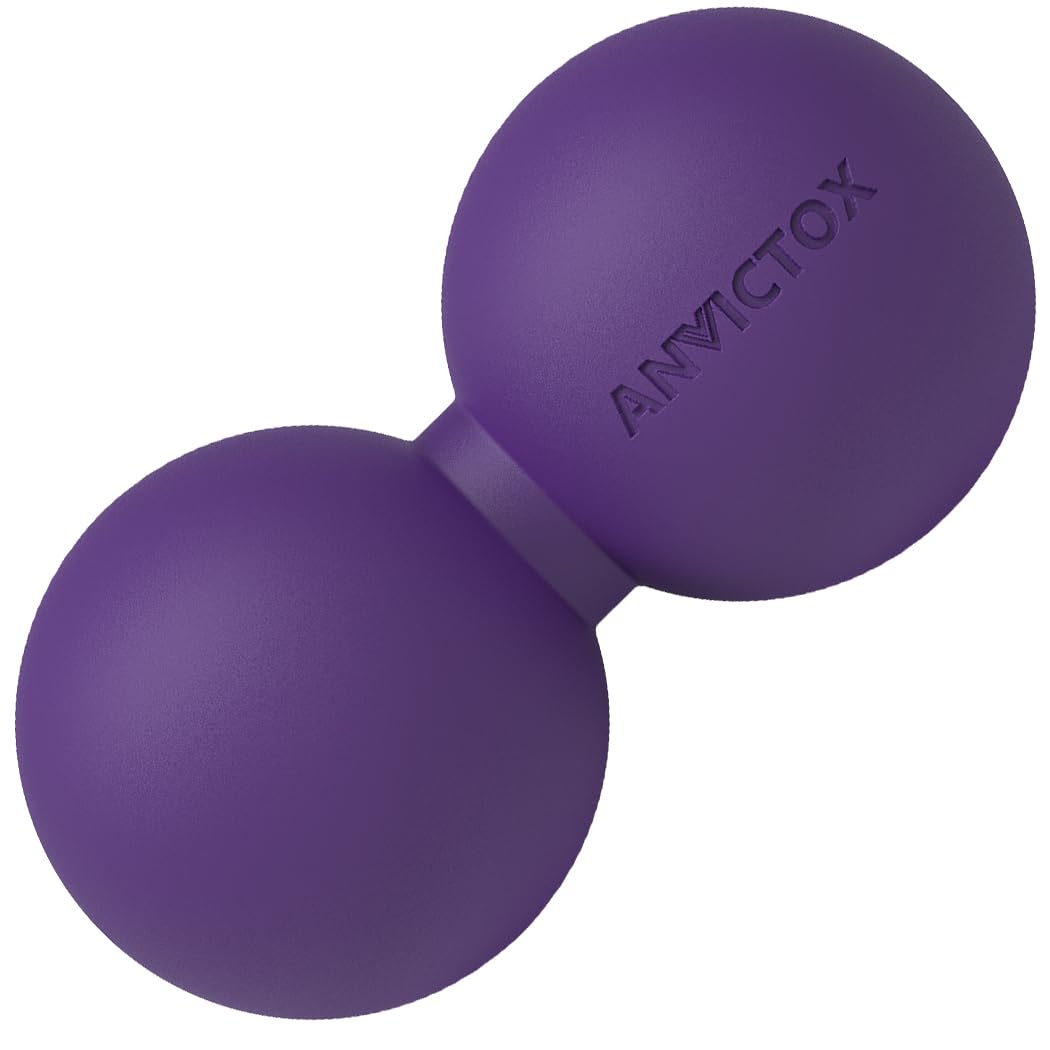
ANVICTOX Peanut Ball

ANVICTOX Peanut Ball

Medium density, low price

Our Score 8.8/10
Check Price

Worth Noting

Size
5 x 2.5 x 2.5 in
Weight
11 oz
Firmness
Medium
Material
Silicone
Read the full review

This silicone peanut ball delivers effective myofascial release at a low price point. The medium density works well for those who find hard rubber too intense, and the material grips skin without slipping. It's a solid choice for trying silicone, but if you prefer a more widely tested option, other picks have longer track records.

Bottom line: Best for budget-conscious buyers curious about silicone material, but those wanting a more established performer should consider alternatives with deeper user feedback.

#13

KITWILD Rubber Peanut

KITWILD Rubber Peanut

Ultra-budget, occasional

Our Score 8.6/10
Check Price

Worth Noting

  • Firm rubber can be uncomfortable and cause bruising on bony areas.
Size
6.7 x 6.7 x 3.5 in
Weight
6.4 oz
Firmness
Firm
Material
Natural rubber
Read the full review

This peanut ball provides decent trigger point release for the price, making it a fine backup or travel item. However, the hard rubber can feel uncomfortable on sensitive areas, and the stickers on the ends may peel off over time. These limitations make it a budget stopgap rather than a long-term tool.

Bottom line: Works as an ultra-budget backup for occasional use, but not a reliable daily tool.

#14

Therapist's Choice Soft Spiky

Therapist's Choice Soft Spiky

Foot, gentle massage

Our Score 8.6/10
Check Price

Worth Noting

  • Too soft for deep tissue or myofascial release; pressure is limited.
Size
6 x 2.5 x 2.5 in
Weight
6.4 oz (pair)
Firmness
Soft
Material
PVC
Read the full review

The soft spiky surface stimulates circulation and soothes foot pain, making this a pleasant tool for gentle massage. However, the squishy construction limits it to light pressure, so it cannot deliver the deep trigger point release or myofascial relief this buyer requires.

Bottom line: A good choice for gentle foot massage and sensory stimulation, but unsuitable for the deep trigger point therapy this search targets.

How to Choose

Material

Materials determine grip, durability, and feel on skin. Natural rubber is the most common and offers a firm, non-slip surface but can smell. Silicone provides a tackier grip that reduces sliding, especially when used without a shirt. Cork is eco-friendly and very hard but may crack or flatten over time. TPR is lightweight and cheap but can feel inconsistent in firmness.

Your choice depends on whether you prioritize durability (rubber), grip (silicone), or sustainability (cork). Avoid PVC if you want a tool that will last more than a few months.

Firmness

Firmness is the most subjective spec. A hard ball delivers deep, targeted pressure for trigger points and knots, but it can be painful on bony areas like the spine or ribs. Medium-density balls strike a balance, allowing pressure to be adjusted by how much body weight you apply. Soft balls are only useful for light circulation or foot massage – they simply lack the density for myofascial release.

If you’re new to peanut balls, start with a medium-density silicone or rubber ball. You can always progress to a harder ball later. Trying to ‘power through’ a too-hard ball often leads to bruising or avoidance.

Size

The peanut shape works by straddling the spine so the two bulbs press into the paraspinal muscles. If the ball is too short, it won’t clear the spinous processes and you’ll end up rolling bone-on-ball. If it’s too wide, it may not fit between your shoulder blades. Standard balls are about 5 to 6 inches long and 2.5 inches in diameter.

Measure your own back width across the spine at the mid-thoracic level. If your back is broader than average, look for a ball at least 6 inches long. For neck and upper back, a smaller 5-inch ball is often easier to control.

Weight

Weight affects how much passive pressure the ball applies when you lie on it. Heavier balls (over 12 oz) sink deeper into soft tissue without you having to push down, which can be helpful for larger muscle groups. Lighter balls (under 8 oz) require you to actively apply body weight, giving you more control but less leverage.

For travel, a lighter ball is convenient. For home use, a heavier ball reduces the effort needed to achieve deep pressure, especially on the glutes and lower back.

Frequently Asked Questions