Nutrition & Supplements

11 Best Fiber Supplement for Constipation 2026: Effective & Low-Gas

Struggling with constipation? Find the fiber supplement that works for your body — psyllium for potency, tasteless options for versatility, or budget gummies — without the gas.

Fiber supplements sound simple — take a spoonful and things move. But anyone who has tried knows the reality: gas, bloating, or a gritty drink that tastes like cardboard. The challenge isn't just finding fiber; it is finding the right type that your gut can handle and your lifestyle can stick with.

Psyllium husk is the clinical gold standard for constipation, but it requires drinking plenty of water and can taste unpleasant. Wheat dextrin dissolves invisibly but delivers less fiber per serving. Inulin gummies are convenient but notorious for causing gas. Each option solves one problem while introducing another.

The trick is matching the fiber source to your tolerance and routine. Start with half the recommended dose, increase slowly, and choose a form you will actually take every day. This guide breaks down the trade-offs so you can pick the supplement that keeps you regular without side effects.

#1

Metamucil Psyllium Powder

Top Pick
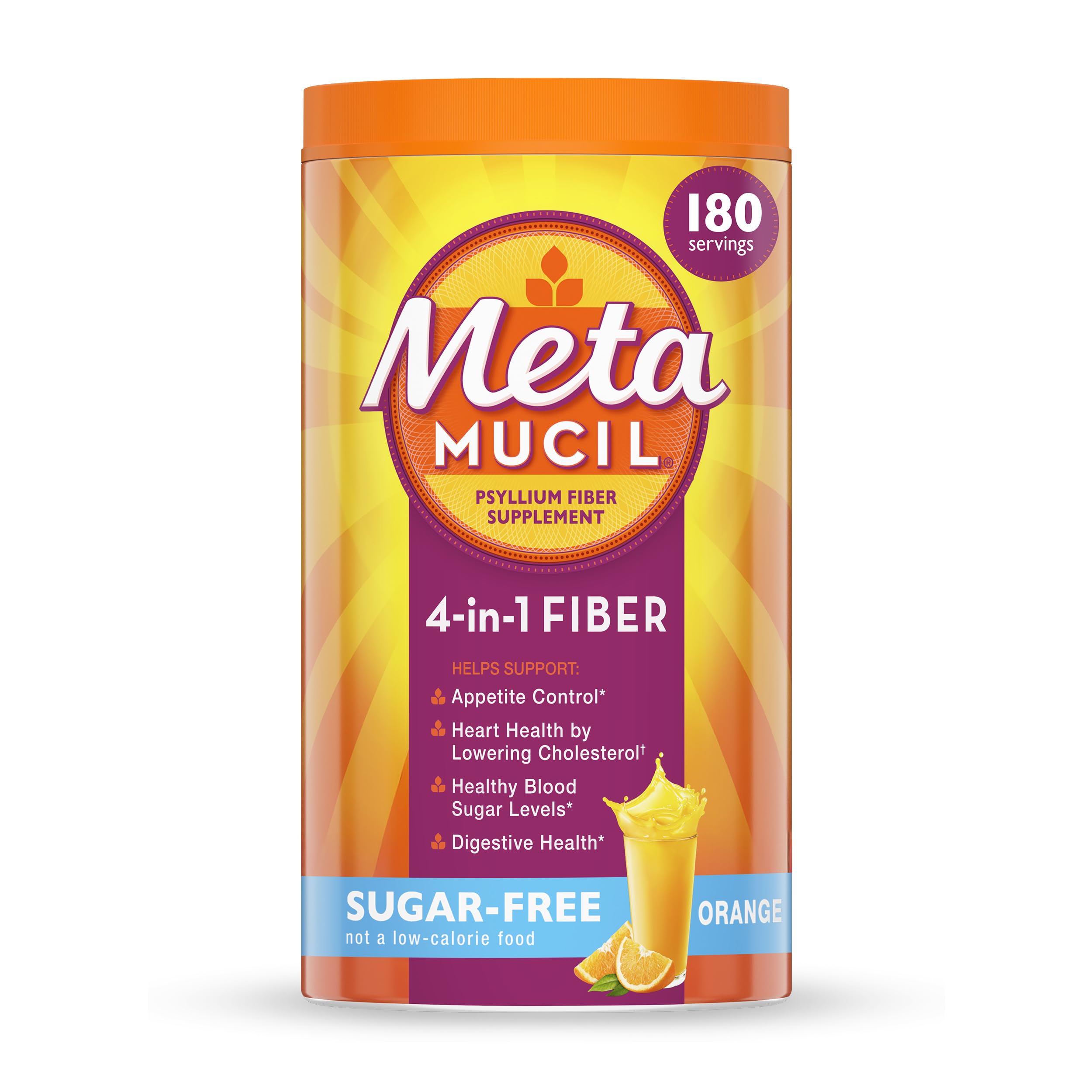
Metamucil Psyllium Powder

Proven & great-tasting

Our Score 9.4/10
Check Price

Worth Noting

  • Contains artificial sweeteners (aspartame, maltodextrin) that some prefer to avoid
Form
Powder
Fiber Type
Psyllium husk
Fiber Per Serving
3g
Taste & Mixability
Orange, lumpy
Read the full review

Metamucil's psyllium powder is the most doctor-recommended fiber supplement, backed by decades of clinical use for constipation relief. Each teaspoon delivers 3g of psyllium fiber with a pleasant orange flavor that most users find palatable.

This product suits those who want a proven, effective fiber supplement and trust a well-known brand. However, the presence of aspartame and maltodextrin as sweeteners means it's not for anyone avoiding artificial ingredients. For that buyer, a clean-label psyllium like NOW Foods capsules may be a better fit.

Tip: Mix with at least 8oz of water and drink immediately — psyllium thickens quickly.

Bottom line: For those prioritizing clinical evidence and brand trust over clean ingredients, this remains the most reliable option for constipation relief.
#2

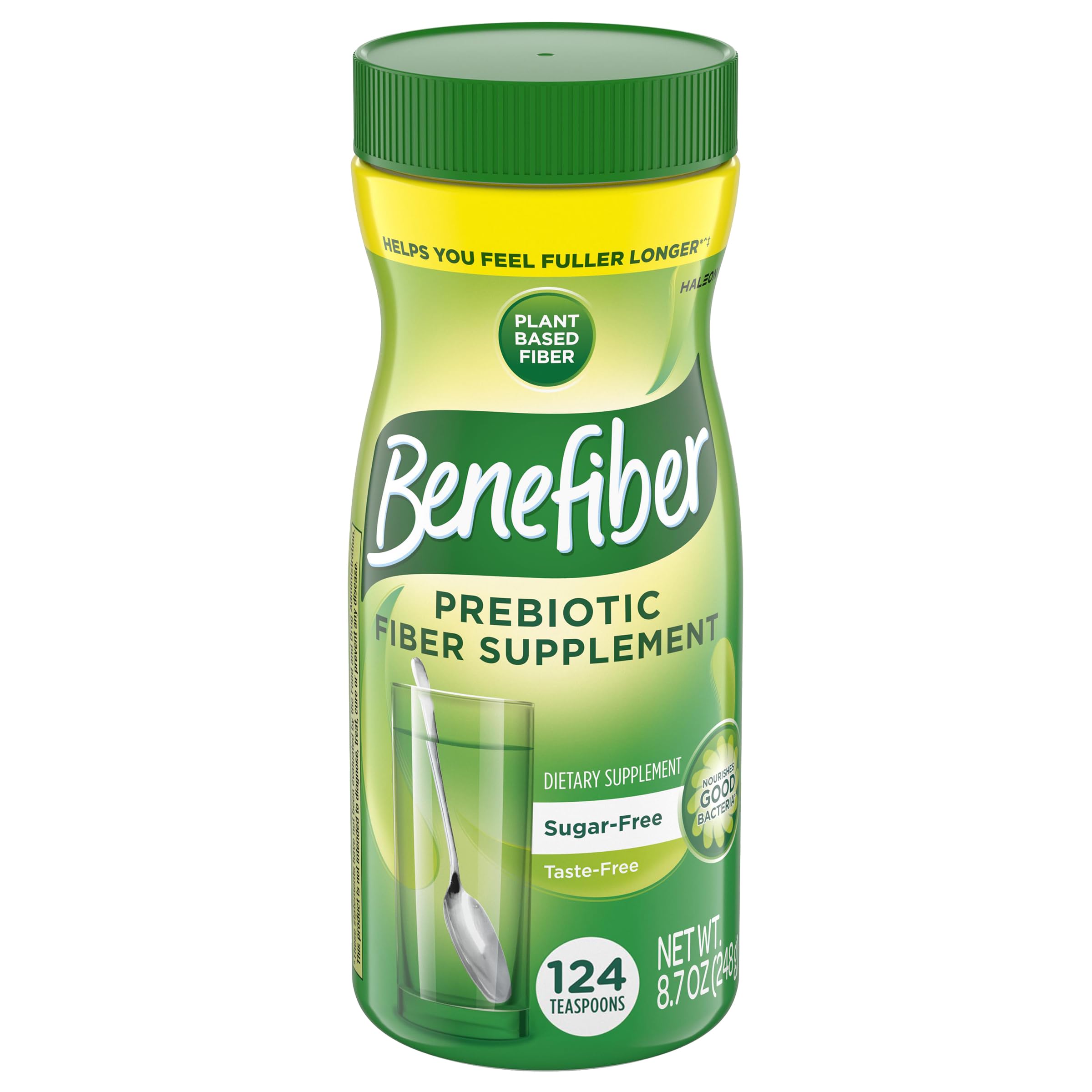
Benefiber Powder 8.7 oz

Benefiber Powder 8.7 oz

Tasteless & portable

Our Score 9.4/10
Check Price

Worth Noting

  • Only 3g fiber per teaspoon – you may need 2–3 servings to match psyllium’s dose.
Form
Powder
Fiber Type
Wheat dextrin
Fiber Per Serving
3g
Taste & Mixability
Tasteless, clear
Read the full review

Benefiber’s wheat dextrin powder dissolves completely in hot or cold liquids without altering taste or texture, making it the go-to choice for anyone who wants invisible fiber in coffee, tea, or soup. The tradeoff is fiber density: each teaspoon provides 3g, so you may need two or three servings to equal a typical psyllium dose. This is ideal for people who prioritize flavor neutrality over maximum fiber per scoop, especially those who dislike the gritty or thickened texture of other supplements.

Tip: Use 2–3 teaspoons in a large glass of water or juice to get a comparable fiber amount to psyllium.

Bottom line: The best pick for anyone who hates the taste and texture of fiber supplements and wants a simple way to add fiber to their daily drinks without compromise.

#3

Metamucil On-The-Go

Metamucil On-The-Go

Frequent travelers

Our Score 9.4/10
Check Price

Worth Noting

  • Powder may not dissolve completely, leaving lumps if not stirred vigorously
Form
Powder packets
Fiber Type
Psyllium husk
Fiber Per Serving
3g
Taste & Mixability
Orange, lumpy
Read the full review

Metamucil On-The-Go provides pre-measured orange psyllium in single-serve packets, making it easy to pack for trips or keep at a desk. It supports regularity effectively. The powder may not dissolve completely without vigorous stirring, and the cost per serving is higher than buying the larger tub.

Bottom line: Best for those who need a portable fiber supplement for occasional travel or on-the-go use, not for daily cost-conscious home use.

#4

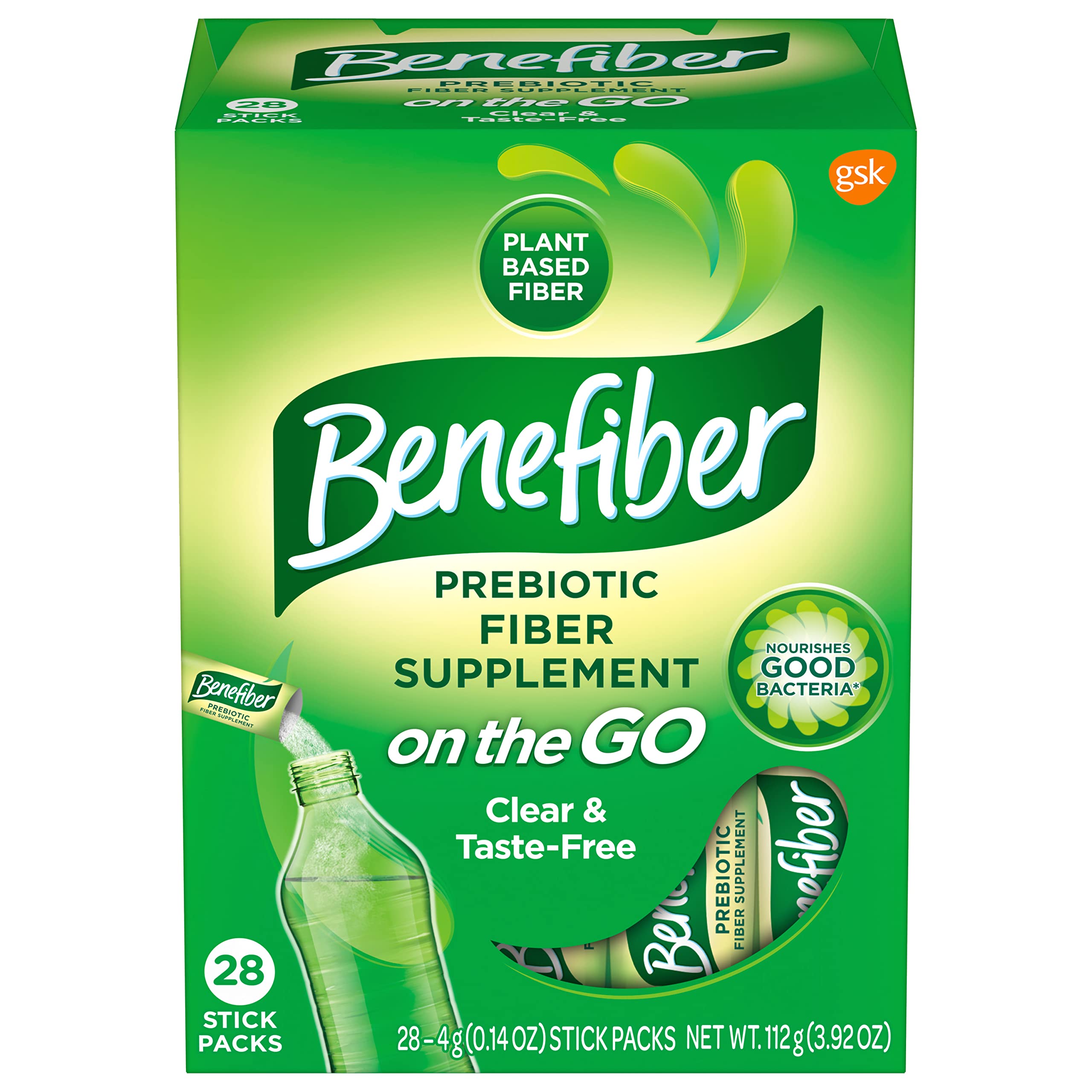
Benefiber On the Go Sticks

Benefiber On the Go Sticks

Frequent travelers

Our Score 9.4/10
Check Price

Worth Noting

  • Only 3g fiber per stick
Form
Stick packs
Fiber Type
Wheat dextrin
Fiber Per Serving
3g
Taste & Mixability
Tasteless, clear
Read the full review

Each stick delivers 3g of wheat dextrin that vanishes into coffee, tea, or water without altering taste or texture. Compared to psyllium powders that require stirring and can clump, these single-serve packets fit a pocket or purse. The tradeoff: you need two or three sticks to match the fiber dose of a standard psyllium serving, and the per-stick cost is higher than the bulk bottle. This works best for travelers or desk workers who want a no-fuss fiber option and don't mind paying extra for portability.

Bottom line: A smart pick for anyone who prioritizes convenience and zero taste over fiber density — just keep an extra stick or two handy if you need more than 3g per serving.

#5

NOW Psyllium Husk Caps

NOW Psyllium Husk Caps

Capsules, clean

Our Score 9.2/10
Check Price

Worth Noting

  • Some users experience bloating or nausea even when taken with adequate water
  • Requires six capsules per serving
Form
Capsules
Fiber Type
Psyllium husk
Fiber Per Serving
3g
Taste & Mixability
No taste
Read the full review

NOW Foods offers a vegan, non-GMO psyllium capsule with no artificial additives or fillers, making it a clean-label option for those who prefer capsules over powder. Each 3g serving requires six capsules – a pill count that some find inconvenient, especially for those who dislike swallowing multiple pills.

Tip: Swallow capsules one at a time with a full glass of water to ease the process.

Bottom line: For those who want a clean-label psyllium capsule and can handle six pills per serving, this offers the best value in the category.

#6

Vitafusion Fiber Gummies

Vitafusion Fiber Gummies

Budget, tasty

Our Score 9.2/10
Check Price

Worth Noting

  • Gummies are extremely chewy and can be hard to bite through, especially for those with dental work
  • May cause gas and bloating in some users, typical of inulin-based gummies
Form
Gummies
Fiber Type
Inulin
Fiber Per Serving
5g
Taste & Mixability
Sweet, chewy
Read the full review

Five grams of fiber per two-gummy serving at a budget-friendly price makes this a strong contender for anyone wanting a tasty, sugar-free fiber supplement. The berry and peach flavors genuinely make taking fiber feel like a small treat — a notable advantage over gritty powders or large capsules. That said, the gummies are notably chewy and can be difficult to bite through, which may frustrate those with dental work or jaw sensitivity. Additionally, the inulin-based formula can cause gas and bloating in some users, a known trade-off with this fiber type. This option suits budget-conscious shoppers who prioritize taste and don't mind a chewy texture, and who tolerate inulin well.

Tip: Chew the gummies slowly or cut them in half if the texture is too tough — drinking plenty of water throughout the day can also help with digestive comfort.

Bottom line: If you want an affordable, tasty fiber gummy and can accept a chewy bite and possible digestive discomfort, this is a solid value option. For those who prefer a gentler texture or are prone to gas, a psyllium-based alternative may be a better fit.

#7

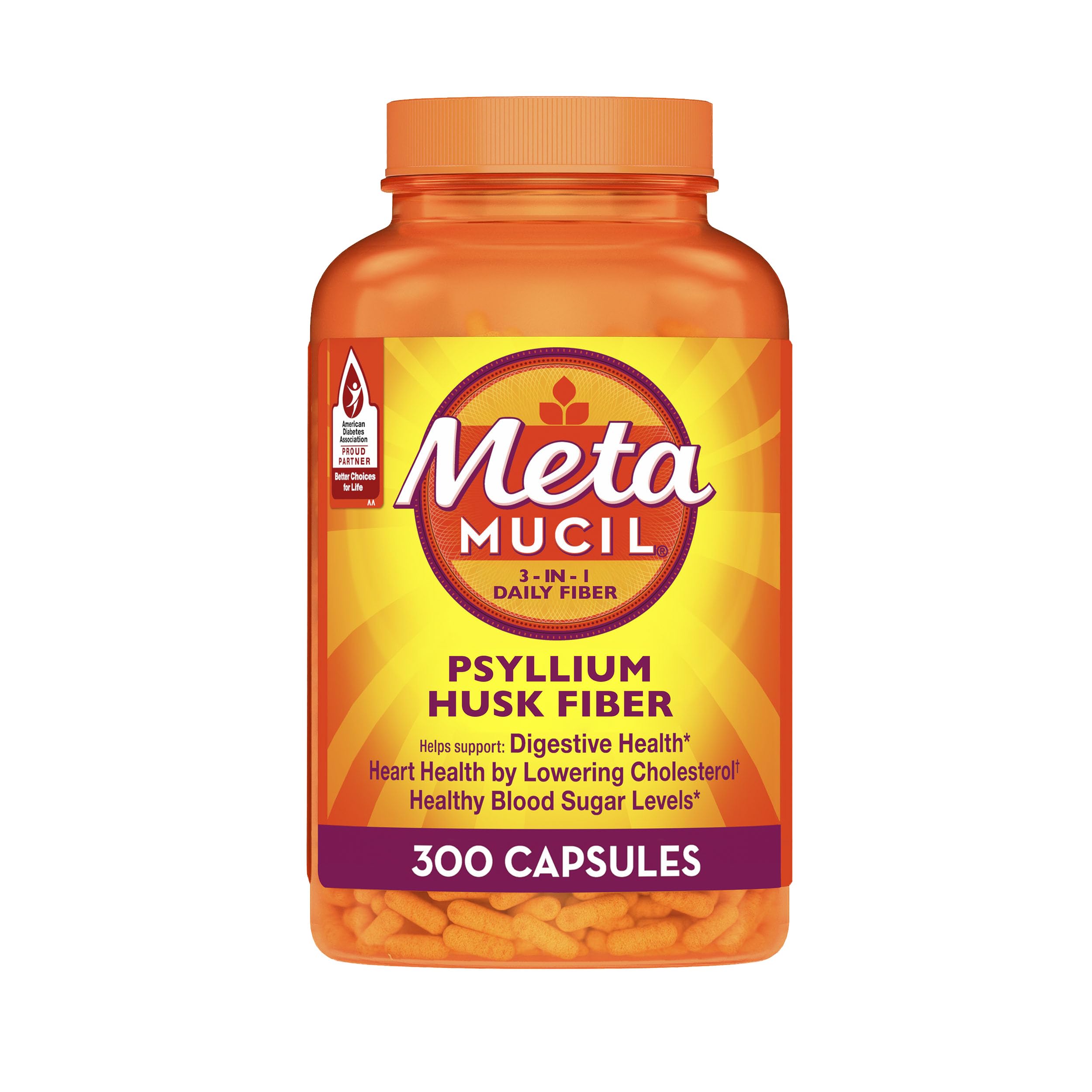
Metamucil Capsules 300

Metamucil Capsules 300

Metamucil loyalists

Our Score 9.2/10
Check Price

Worth Noting

  • Capsules are large and can be difficult to swallow for some.
Form
Capsules
Fiber Type
Psyllium husk
Fiber Per Serving
3g
Taste & Mixability
No taste
Read the full review

This capsule version delivers the same psyllium husk fiber and doctor-recommended reputation as the classic powder, with only two ingredients and no artificial sweeteners. The catch: each dose requires five large capsules that some find hard to swallow, and the cost per serving is higher than comparable options from NOW.

Bottom line: Worth considering if you're set on Metamucil and prefer capsules over powder, but only if you can comfortably swallow larger pills.

#8

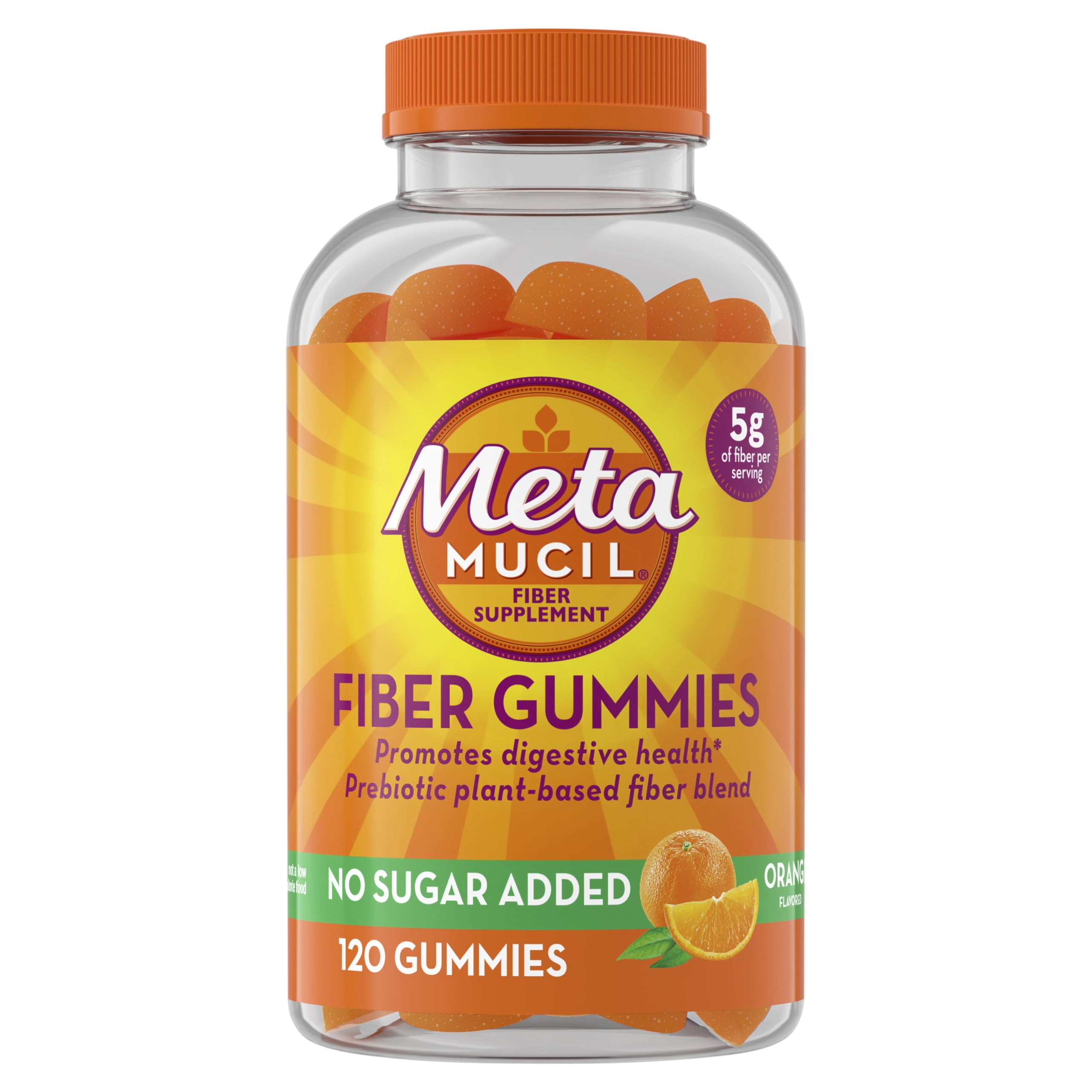
Metamucil Fiber Gummies

Metamucil Fiber Gummies

Metamucil fans

Our Score 9.2/10
Check Price

Worth Noting

  • May cause bloating and gas, especially from inulin
Form
Gummies
Fiber Type
Inulin
Fiber Per Serving
5g
Taste & Mixability
Orange, sticky
Read the full review

Metamucil's gummy provides 5g fiber and a probiotic boost in a tasty no-sugar orange gummy. The gummies may clump in the bottle, and the inulin can cause bloating and gas. Good taste and convenience, but clumping and price hold it back from being a top choice.

Bottom line: Best for Metamucil fans who want a gummy alternative and can accept the clumping and potential gas.

#9

Pure for Men Capsules

Pure for Men Capsules

Digestive cleanliness

Our Score 9.0/10
Check Price

Worth Noting

  • Premium pricing can be a barrier compared to standard psyllium supplements.
  • Gas or stomach discomfort may occur in some individuals, especially at higher doses.
Form
Capsules
Fiber Type
Blend
Fiber Per Serving
Taste & Mixability
No taste
Read the full review

Pure for Men Original Fiber Supplement combines psyllium, chia, flax, and aloe in a capsule form that has gained a dedicated following for promoting complete bowel movements and minimal cleanup. Unlike standard psyllium powders aimed at general constipation relief, this formula is specialized for those seeking digestive 'cleanliness' for intimate situations. However, it comes at a premium price compared to basic psyllium, and some individuals may experience gas or stomach discomfort. This product is best suited for buyers who prioritize a thorough cleanse and are willing to pay more for a comprehensive fiber blend.

Start with the recommended dosage and increase gradually to minimize digestive discomfort.

Bottom line: Best suited for those who value digestive cleanliness for intimate situations and are comfortable paying a premium for a specialized fiber blend.

#10

Amazon Basics Fiber Gummies

Amazon Basics Fiber Gummies

Budget shoppers

Our Score 9.0/10
Check Price

Worth Noting

  • Gas, bloating, and cramping are possible; texture consistency varies between batches.
Form
Gummies
Fiber Type
Pectin
Fiber Per Serving
5g
Taste & Mixability
Fruity, soft
Read the full review

For budget shoppers who want a soft, candy-like gummy to increase fiber intake, these gummies deliver on taste and value. However, the pectin-based formula may cause gas, bloating, and cramping, and texture can vary between batches – some arrive melted or too hard. This makes them a gamble for anyone with a sensitive stomach.

Bottom line: Best for budget buyers who can tolerate occasional gas and don't mind texture variability – not for those with sensitive digestion.

#11

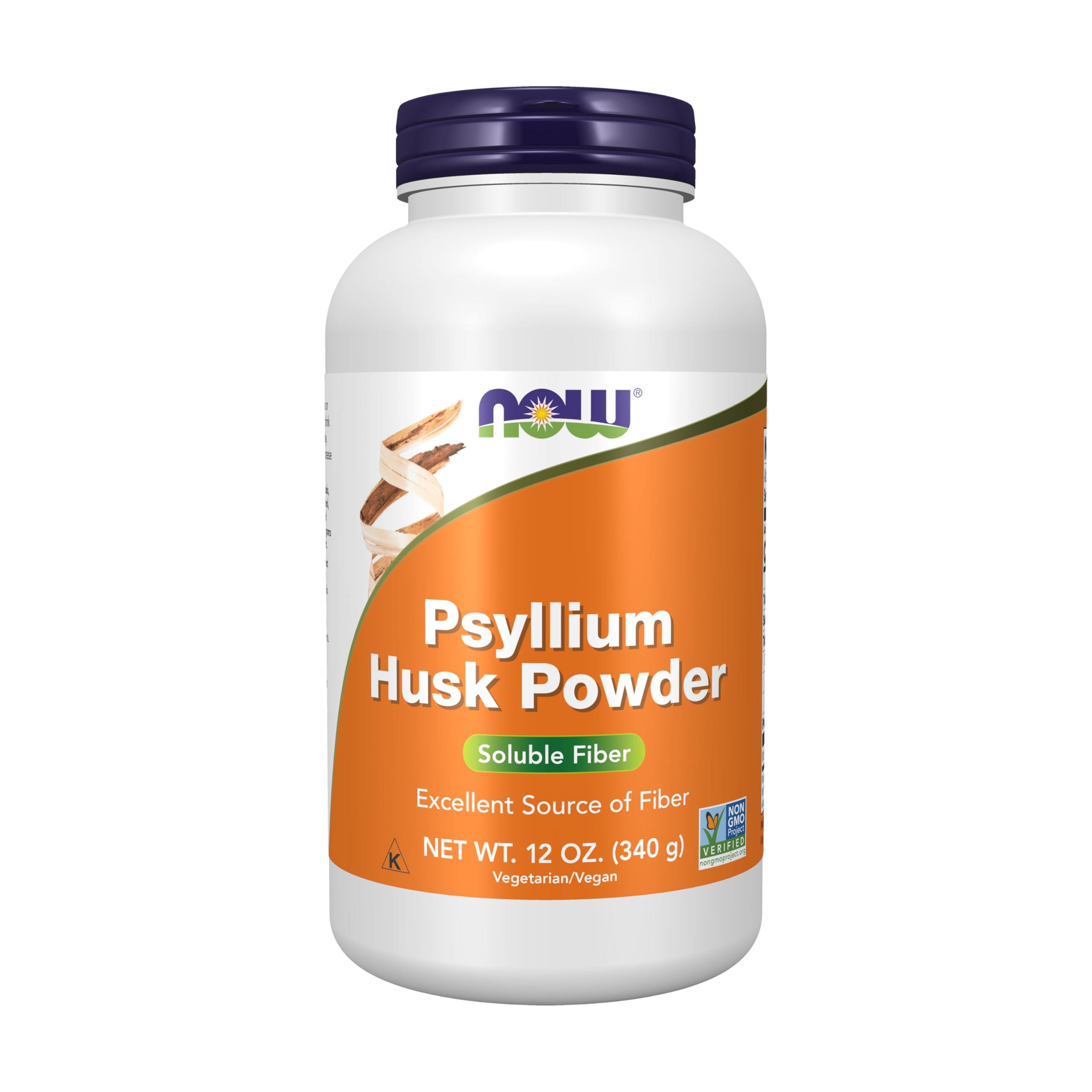
NOW Psyllium Powder

NOW Psyllium Powder

Budget buyers

Our Score 9.0/10
Check Price

Worth Noting

  • Earthy taste and slimy texture can be off-putting for those expecting a pleasant drink
Form
Powder
Fiber Type
Psyllium husk
Fiber Per Serving
6g
Taste & Mixability
Unpleasant, clumpy
Read the full review

Providing 6g of soluble fiber per tablespoon at the lowest cost per gram, this pure psyllium powder is a budget-friendly choice. However, it gels and clumps quickly, requiring immediate consumption and vigorous stirring – best for blending into smoothies or recipes rather than drinking straight.

Bottom line: Best for budget-conscious users who can tolerate the earthy flavor and plan to mask it in smoothies or baked goods.

How to Choose

Fiber Type

Psyllium husk is the most clinically studied fiber for constipation. It forms a gel that traps water in the stool, softening it and speeding transit. The trade-off: it requires drinking at least 8 ounces of water per dose, or it can actually worsen constipation.

Wheat dextrin (Benefiber) and inulin (found in most gummies) are gentler on the gut but less potent per gram. Inulin ferments quickly in the colon, producing gas in many people. If you have IBS or a sensitive stomach, start with wheat dextrin before trying psyllium or inulin.

Form

Powders deliver the highest fiber density and are the most cost-effective. But they require mixing and have a distinct texture. Capsules eliminate taste issues but require swallowing 5–9 pills per serving. Gummies are the easiest to take but often contain inulin, which causes more gas than psyllium or wheat dextrin.

Your choice should depend on your daily habits. If you already drink a smoothie or coffee every morning, a tasteless powder like Benefiber is nearly effortless. If you hate mixing drinks, capsules are cleaner. Gummies work best for people who want a treat-like supplement and don't mind potential bloating.

Fiber Per Serving

For constipation relief, most guidelines recommend 5–10 grams of fiber per dose from a psyllium product. Benefiber and other wheat dextrin options typically provide only 3 grams per serving, meaning you need to take two or three servings to match psyllium's effect. That increases cost and hassle.

Check the label for grams per serving, not just per container. A product with 5g of fiber per serving is more practical for constipation than one with 2g. Remember that more fiber is not always better — increase the dose slowly over a week to let your gut adjust.

Taste and Mixability

Taste is the top reason people stop taking fiber supplements. Psyllium powders often have an earthy flavor and gritty texture, even when flavored. Benefiber's wheat dextrin is tasteless and dissolves completely clear, making it ideal for mixing into coffee, tea, or juice without any change in flavor.

If you dislike the taste of fiber drinks, choose either capsules or tasteless powders. Gummies can be a treat, but their sugar content (even sugar-free varieties use artificial sweeteners) may be a concern for some. For the best experience, try a small serving size first before committing to a large container.

Side Effects

Gas and bloating are the most common complaints, especially with inulin-based gummies. Psyllium can also cause gas if you increase the dose too quickly or don't drink enough water. Wheat dextrin is the least likely to cause gas, making it the safest starting point for sensitive stomachs.

To minimize side effects, start with half the recommended dose for the first week, then increase gradually. Drink a full glass of water with each dose, especially with psyllium. If bloating persists, switch to a different fiber type — everyone's gut microbiome reacts differently.

Frequently Asked Questions